Last updated November 25, 2026

Free roof inspection with deck photos before we talk money - GAF and Owens Corning certified installation
Roofing Permits, Codes & Inspections in Citrus Heights, CA: What You Need to Know
Here’s the part of a roof replacement that surprises people: in California, changing more than half of your roof surface can legally trigger a Title 24 energy compliance upgrade. Not always, and not automatically, but often enough that a homeowner budgeting for a simple tear-off can find a cool-roof requirement attached to the permit before the first shingle goes down. Some contractors know this and price it in from day one. Others don’t mention it until the permit comes back. This guide walks through how permitting actually works in Citrus Heights, where the code thresholds sit, what triggers a structural inspection, and how to spot problems with prior work before they become yours to fix.
Quick Answer
Roofing work in Citrus Heights requires a building permit through Sacramento County’s permit process, and any project that replaces more than 50% of the roof surface may need to comply with California’s Title 24 cool-roof energy standards for Climate Zone 12. A standard re-roof usually gets a visual inspection, but material conversion or signs of prior unpermitted work can push the project into structural review. The cheapest path is always to know the threshold before work begins, not after.
Styles & brands we work with
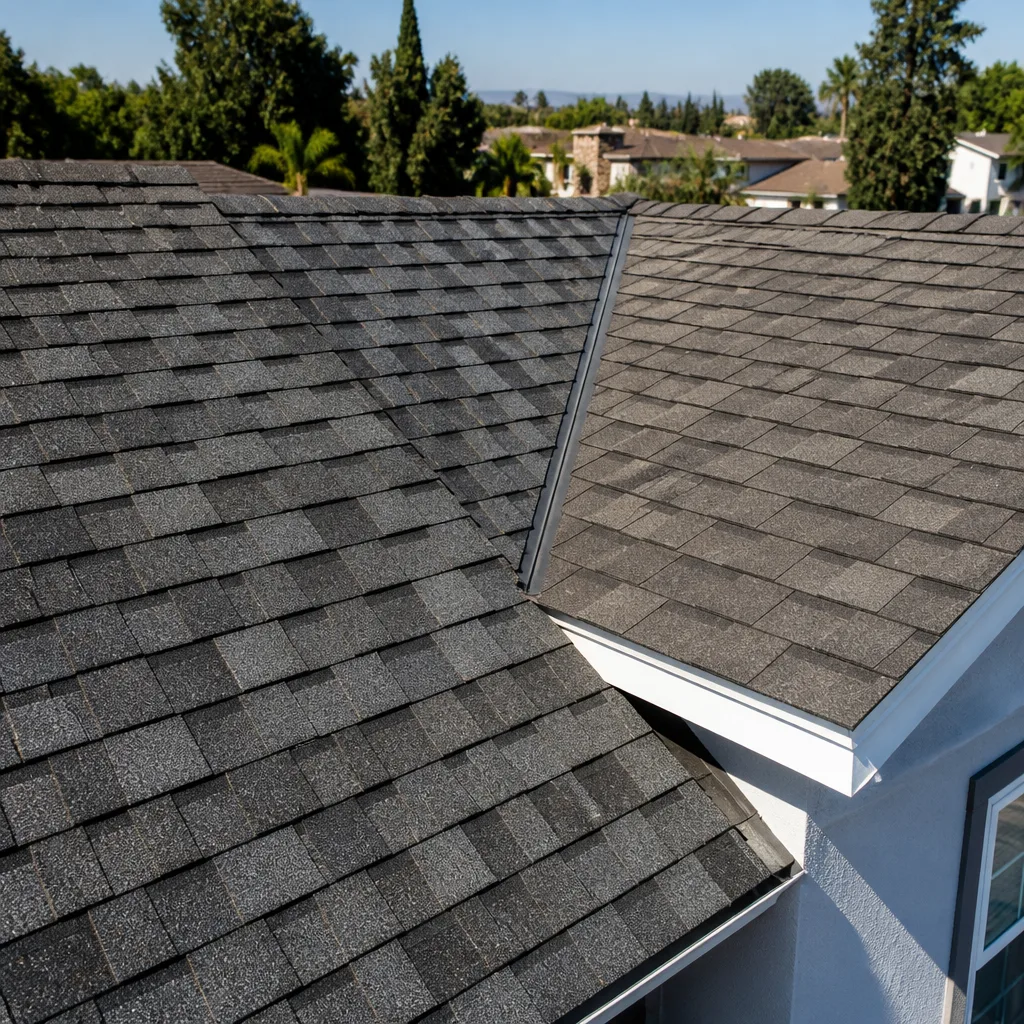
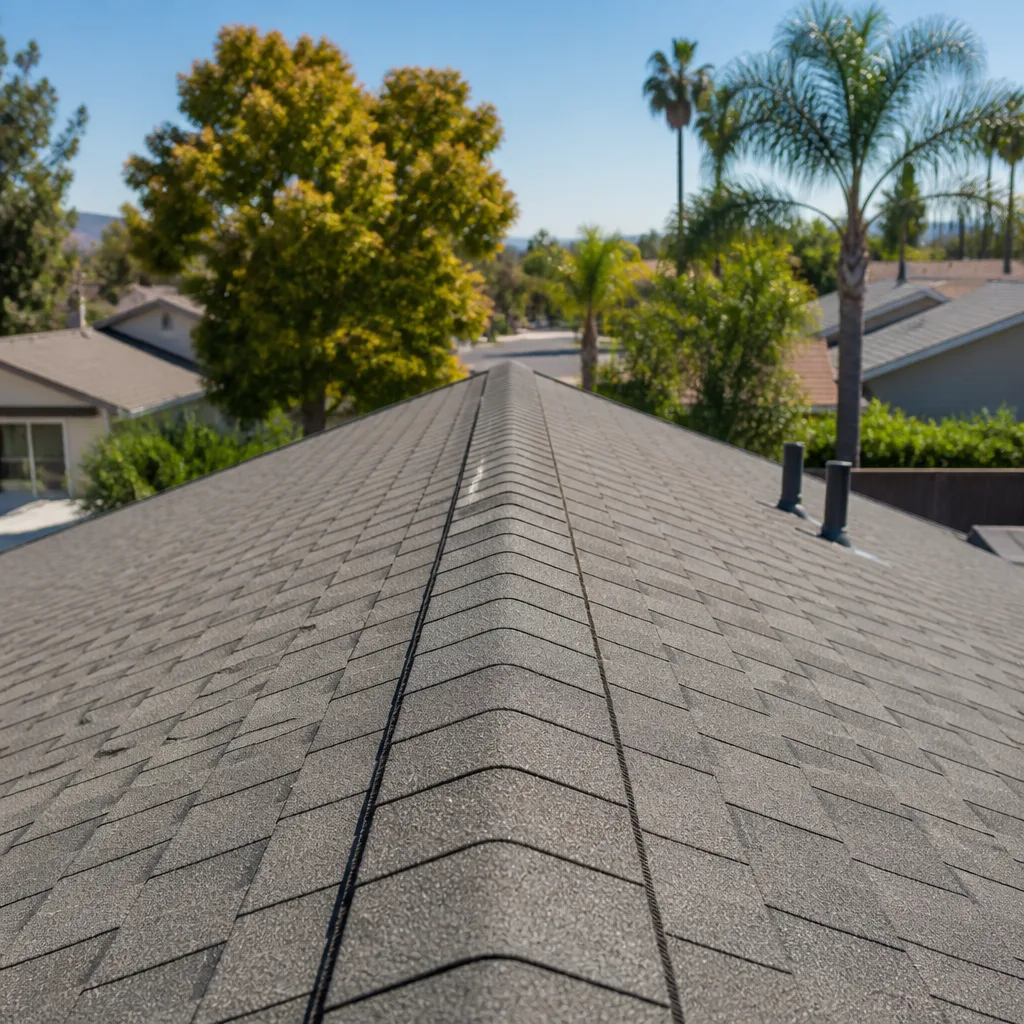
- Architectural shingles
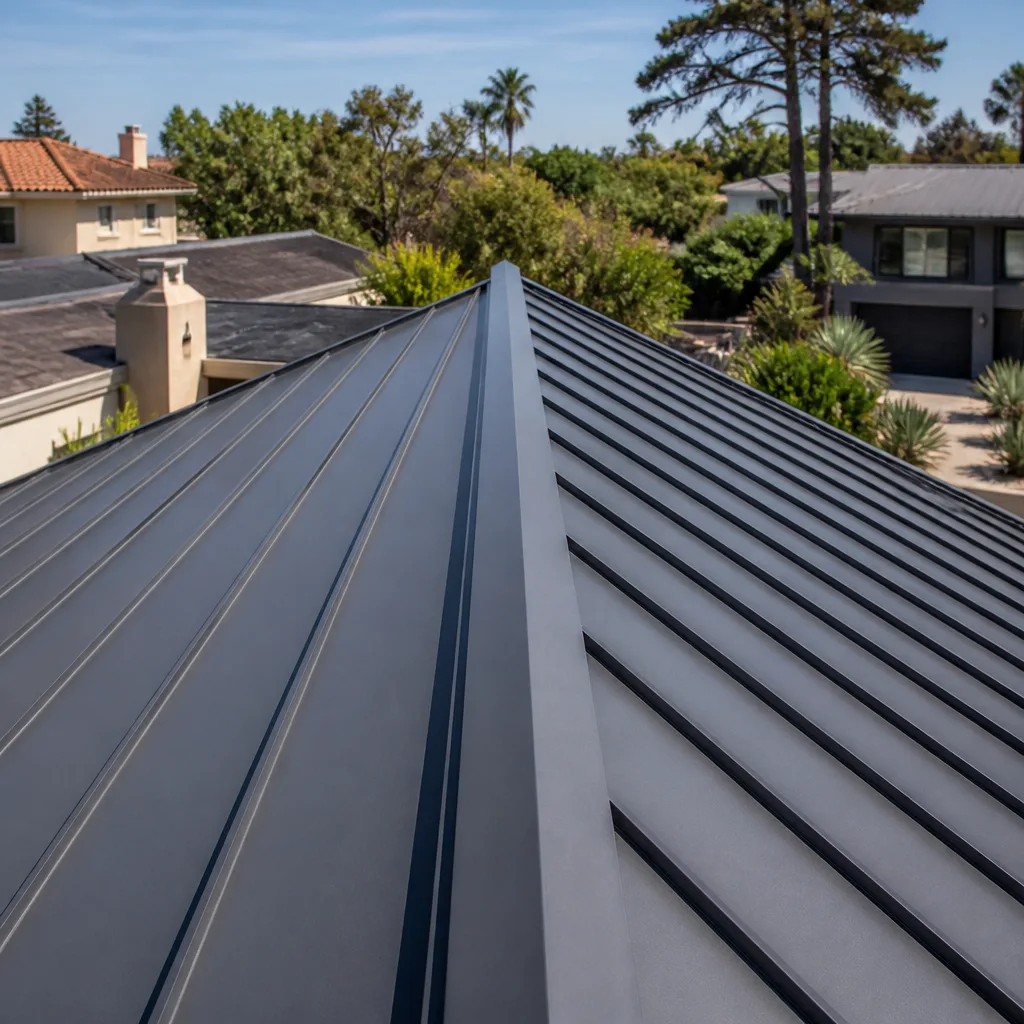
- Metal roofing
- Tile roofing
- GAF
- Owens Corning
- Flat & low-slope
Table of Contents
- Do You Need a Permit to Replace a Roof in Citrus Heights?
- Permit Fees and the Sacramento County Submission Process
- Title 24 and Cool-Roof Requirements in Climate Zone 12
- What Triggers a Structural Inspection
- Unpermitted Prior Roofing and California Disclosure Law
- WUI Fire Requirements and HOA Aesthetics
- How the Inspection Process Works
- Common Mistakes to Avoid
Do You Need a Permit to Replace a Roof in Citrus Heights?
Yes. A residential re-roof in Citrus Heights requires a building permit, and this is one of the points where homeowners get caught off guard. Roofing is not a “minor repair” exemption. Replacing the covering, changing the underlayment, installing new flashing, or altering the roof deck all fall under permit territory. Even a like-for-like swap of one asphalt shingle field with the same product usually needs a permit pulled and a final inspection signed off.
The reason so many homeowners assume otherwise is that roofing is often sold as a quick job. Two days on the roof, a dumpster in the driveway, and a handshake. That’s a fine schedule. It doesn’t change the permit requirement. In Citrus Heights, that permit gets issued through Sacramento County’s building department, which handles residential building permits for the city. When you work with a contractor who pulls the permit under their own name, the county inspects the work and the homeowner gets a paper trail. When you work with someone who skips it, the paperwork doesn’t exist and neither does the inspection.
New construction falls under a separate permit pathway from a re-roof. A new roof installation on a home under construction is part of the overall building permit set, typically reviewed with the structural and energy documents in the same package. Replacing the roof on an existing home uses a residential re-roof permit instead, and that’s where the Title 24 threshold matters most. The distinction is worth asking about directly because some contractors quote them as if they’re interchangeable. They aren’t. The submission process, the review steps, and the inspection sequence all differ.
If you’re comparing estimates and one contractor says a permit “isn’t needed for this one,” ask why in writing. It’s the single fastest filter for whether the person quoting the job plans to operate inside the rules.
Permit Fees and the Sacramento County Submission Process
Sacramento County sets permit fees on a valuation-based schedule, which means the fee is tied to the declared value of the work rather than to a flat rate per square of roofing. That’s actually good news for homeowners because it makes the fee predictable relative to the project size. What matters for budgeting is knowing the fee is paid up front at permit issuance, not at the end. A contractor who pulls the permit correctly collects and remits that fee as part of the project cost. A contractor who skips it just doesn’t’ show up in the accounting.
Here’s how the submission typically unfolds for a residential re-roof in Citrus Heights:
- Application submission. The permit application is filed with Sacramento County’s building department, usually online through their permitting portal, with the property address, scope of work, and contractor details.
- Plan and documentation review. For a simple re-roof on an existing structure, plan requirements are often light. Material specifications, roof pitch, and the type of covering go in. Larger or more complex jobs need additional documentation.
- Title 24 energy documentation. Any project that crosses the cool-roof threshold requires compliance documentation with the permit, showing the new roof meets the reflectance and emittance requirements for Climate Zone 12.
- Fee payment and permit issuance. Once the county confirms the documentation is complete, the fee is paid and the permit is issued. Work can begin after that point.
- Inspection scheduling. The final roof inspection is scheduled after the covering is installed and any structural items are complete.
Lead times for a standard residential re-roof permit application vary with county volume. It’s a real variable in project scheduling, which is why we recommend allowing time in the calendar rather than assuming the permit clears in a few days. New construction review takes longer and involves more reviewers, but the schedule for a straightforward re-roof is usually reasonable.
If you’re planning a roof replacement and want to know what the permit fee looks like on your specific scope, the honest answer requires the actual square footage and material. There’s no fixed number that works for every house.
Title 24 and Cool-Roof Requirements in Climate Zone 12
This is where Citrus Heights gets interesting. California’s Title 24 energy code applies to roof replacements, not just new construction, and the trigger is tied to how much of the roof surface you’re replacing. Once you cross roughly half the roof area, the cool-roof requirements for your climate zone kick in. Citrus Heights sits in California Energy Commission Climate Zone 12, which has its own specific reflectance and thermal emittance thresholds. A roof that’s rated for cool-roof compliance in another part of the state might not meet Zone 12’s numbers. A roof that’s “close” doesn’t count.
What this means in practice is that some materials comply automatically and others don’t. Cool-roof performance measures two things: how much sunlight the roof reflects back (reflectance) and how efficiently it re-radiates absorbed heat (thermal emittance). Certain products are manufactured with measured and rated values that clear the Zone 12 thresholds. Others aren’t evaluated to those numbers at all and can’t be documented as compliant.
The materials that usually clear the bar in Zone 12:
- Cool-rated asphalt shingles. Several manufacturers produce specific product lines that carry cool-roof ratings meeting California’s Title 24 requirements. These are clearly labeled, so the specification work is straightforward when the product is selected correctly.
- Metal roofing. Many painted metal roofing systems carry rated reflectance and emittance values that meet or exceed the threshold. Metal’s performance here varies by finish, so it’s not universal, but the products designed for compliance are well documented.
- Certain tile products. Tile can comply depending on the coating and finish. Standard, uncoated tile typically doesn’t carry cool-roof ratings, so the specific product matters.
This is where the multi-brand advantage of working with manufacturers like GAF, CertainTeed, and Owens Corning matters. When the roof has to meet a compliance threshold, we can select from a roster of products that includes cool-rated options across all three of the major materials. You’re not locked into whatever single brand a contractor happens to stock. The documentation requirements are also simpler when the manufacturer provides the compliance data with the product, which the major US manufacturers do.
One more wrinkle worth knowing: if the existing roof was already a cool-roof product and you’re replacing it with a like-kind equivalent, the compliance path is often smoother. If you’re changing materials, the documentation requirements change with it. This is a good question to ask before signing anything.
What Triggers a Structural Inspection
A standard re-roof on a typical Citrus Heights home usually results in a visual permit inspection. That means the inspector confirms the covering, underlayment, and flashing are installed per code, and signs off. A structural inspection is a different animal, and it’s much more involved. It looks at the framing, the decking, and the load path, not just the waterproofing layer.
Material conversion projects are the most common trigger. Changing from tile to shingle, or from shingle to metal, changes the dead load on the roof structure. Tile is heavy. Metal is light, but its installation details differ enough that the fastening and the deck condition come under scrutiny. Shingle-to-metal conversions and tile-to-shingle conversions are the two where the inspection friction is highest, because the county needs to see that the structural capacity and load distribution still work for the new covering.
Specific triggers for a structural inspection include:
- Material weight change. Swapping a materially different roof covering requires the county to verify the structure can carry the new load.
- Deck condition findings. If the inspector or contractor finds rotted sheathing, significant deflection, or failed fastening during the tear-off, the inspection scope expands.
- Prior unpermitted structural changes. Additions, skylights, or dormers installed without permits can pull the roof scope into broader structural review.
- Rafter or truss modification. Cutting, sistering, or modifying framing members during the roof project requires structural review.
- Visible cracking or settlement. Cracks in the interior ceiling, ridge sag, or wall separation are red flags that change the inspection category.
In our experience, the majority of tile-to-metal and tile-to-shingle conversions come back needing at least additional documentation, and some need full engineering review. The cost isn’t just the inspection fee. It’s the schedule. Building a realistic time buffer at the start of the project is far less painful than discovering the structural question after the tear-off.
If you’re moving to a shingle roof from another material, ask your contractor directly whether they anticipate structural documentation. If they don’t know, that’s information in itself.
Unpermitted Prior Roofing and California Disclosure Law
Unpermitted roofing is more common than you’d think in Citrus Heights, especially on older homes in established neighborhoods. A previous owner added a second layer without a permit, or had the roof replaced after an insurance claim without going through the county. When you buy that house, the problem comes with it, even though you didn’t create it.
California’s real estate disclosure rules require sellers to disclose known material defects. Preexisting unpermitted work counts, and the complications are real. A buyer’s inspection that turns up an unpermitted roof can delay or blow up a sale. If you’re the current homeowner and you discover it during a replacement project, you’re in an awkward position: the roof needs replacing, the county needs to permit it correctly, and the prior work may trigger additional inspection scope on top.
What usually happens is this:
- The contractor finds evidence of a layered install, missing underlayment, or nonconforming flashing during tear-off.
- The permit application is filed showing the full scope of roof correction, not just replacement.
- The county inspects the corrected work and issues a final sign-off on the whole scope, which effectively resolves the prior unpermitted issue at the point of the new permit.
That’s a manageable process when the contractor knows how to navigate it. It’s a nightmare when the contractor doesn’t. In our experience, the cleanest path is to disclose the unpermitted work in the permit application upfront rather than waiting for the inspector to find it. The first approach closes the file. The second can trigger stop-work orders and additional fees.
If you’re buying a home in Citrus Heights and the seller’s disclosure says the roof was replaced recently, ask for the permit number. A legitimate re-roof has one. “They did it themselves” is not the same as a permitted install, and the county will treat it differently when you go to replace it.
WUI Fire Requirements and HOA Aesthetics
Parts of Citrus Heights sit close enough to open space and wildland areas that California’s Wildland-Urban Interface building standards apply. Chapter 7A of the California Building Code sets fire-resistant material requirements for roof coverings in WUI zones. In practice, this restricts certain roofing products and favors others: Class A fire-rated assemblies, specific underlayment requirements, and material specifications written to resist ignition from flying embers.
For a roof replacement in an area that falls under WUI standards, the material choice isn’t purely aesthetic. It’s regulated. A product that doesn’t meet the Chapter 7A requirements can’t be installed, no matter how good it looks or how well it fits the budget. This is one of the reasons why the roofing material conversation on a WUI property needs to happen at the bid stage, not after the permit is submitted. A material that doesn’t qualify means a redrawn plan, a resubmitted permit, and a schedule reset.
HOA rules add another layer. Many Citrus Heights subdivisions have aesthetic restrictions on visible roof materials, and a product that satisfies Chapter 7A might not satisfy the HOA, or vice versa. The overlap isn’t imaginary. Certain architectural styles that read as “traditional shingle” have HOA approval but not WUI compliance. Certain Class A metal and tile products meet Chapter 7A but fall outside the HOA’s approved palette.
Working both sides of the constraint is part of the job on multifamily or HOA-regulated properties in Citrus Heights. Where does this land in practice?
- Asphalt shingles in Class A fire-rated assemblies typically satisfy both WUI and most HOA guidelines, which is why they remain the most common residential material here.
- Metal roofing has numerous Class A fire-rated products, but the visible profile needs HOA review before selection.
- Tile is Class A rated for most products, but weight and visible style both need to be confirmed against the structure and the HOA.
If you’re not sure whether your property falls inside a WUI zone, that’s a question for the county at permit submission. If you’re in an HOA, that’s a question for the architectural review committee. Both answers need to be in hand before you commit to a product.
How the Inspection Process Works
The inspection is the last hurdle before you can call the roof done. Here’s how it typically runs for a Citrus Heights re-roof:
- Confirm permit issuance. Work begins only after the permit is issued. Any component of work done before issuance is technically unpermitted and gets treated that way at inspection.
- Notify the county when the roof is at rough-in. For most jobs, this means calling for inspection after tear-off and installation of underlayment and flashing but before the final covering. Some jurisdictions allow a single final inspection. Sacramento County’s requirements depend on the scope, so confirm the sequence at permit issuance.
- Final roof inspection. The inspector checks the installed covering, flashing details at penetrations, valley treatments, and underlayment installation. Fire-resistant material requirements are verified against the permit documentation.
- Correction cycle if needed. If the inspector flags items, those get corrected and the inspection is re-scheduled. Small corrections are common and usually addressed quickly.
- Final sign-off. The permit is closed. The signed-off inspection record becomes part of the property’s permit history, which helps at resale.
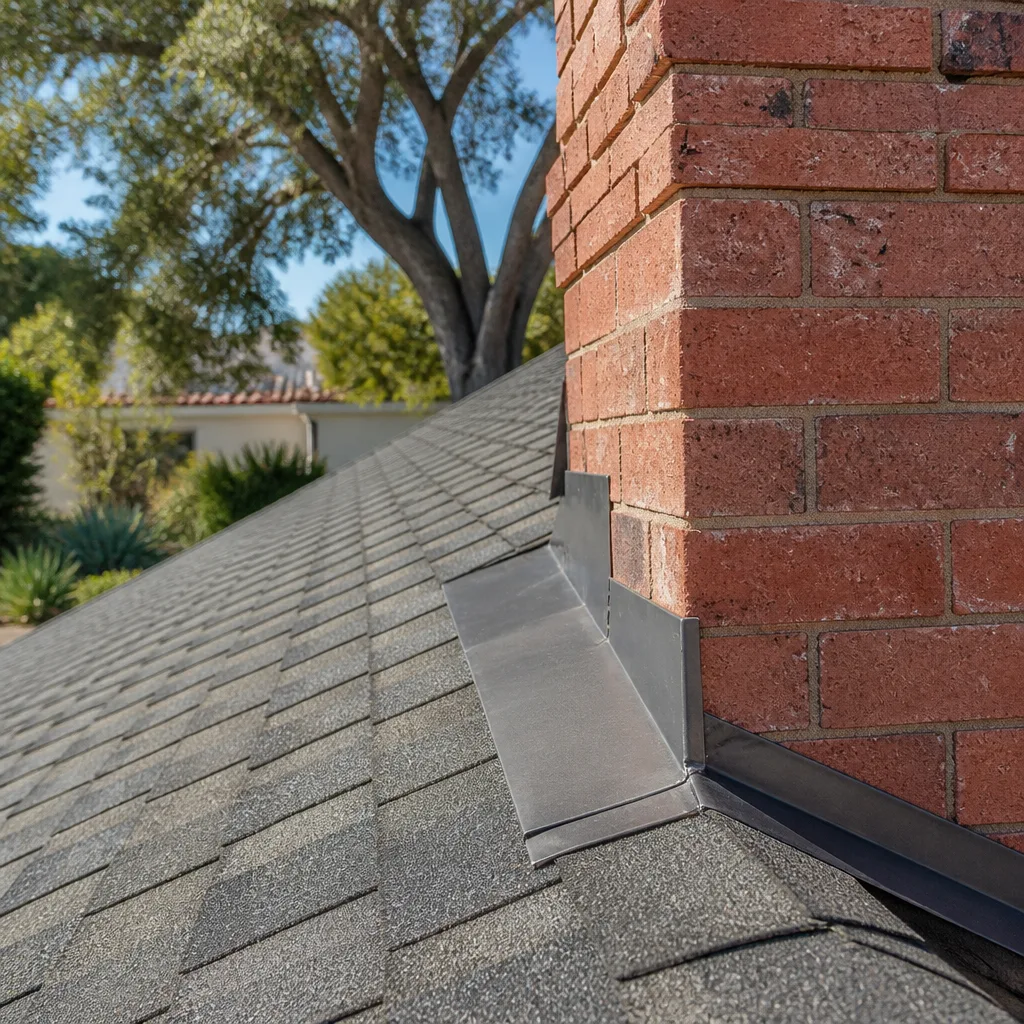
Common inspection corrections include flashing details at chimneys and skylights, underlayment installation at valleys, and missing fire-rated components in WUI-zone properties. None of these are catastrophic. They’re part of the job. A contractor who plans for a possible re-inspection in the schedule keeps the project on track.
The paperwork trail matters at resale. If you replace your roof in Citrus Heights and the final inspection is signed off, you have a clean record the next buyer can verify. That’s a stronger position than a roof that was installed without a permit and can’t be documented later.
Common Mistakes to Avoid
- Assuming a like-for-like replacement doesn’t need a permit. It does. Even an identical material swap requires a permit in Citrus Heights and a final inspection sign-off. Skipping it creates a discovery problem for the next buyer.
- Choosing a material before checking Title 24 compliance. Selecting a product, signed contract and all, before confirming it meets Climate Zone 12 requirements is the fastest path to a redrawn plan and a resubmitted permit. Do the compliance check first.
- Treating tile-to-shingle or shingle-to-metal as a simple material swap. These conversions change the structural load and often trigger additional documentation. Quoting them at a shingle-replacement price and then discovering the structural review requirement later erodes trust and blows up the schedule.
- Failing to disclose prior unpermitted roof work in the permit application. Disclosing the issue upfront lets the correction happen under a single permit. Waiting for the inspector to find it triggers stop-work orders and re-fees.
- Overlooking the WUI or HOA requirement until after the product is ordered. Chapter 7A compliance and HOA aesthetic restrictions can eliminate products that look like obvious choices. Confirm both before committing.
- Not keeping the inspection record with the home’s documents. The signed-off inspection is one of the few things a future buyer can verify about the roof. Filing it properly avoids problems at resale.
- Taking the lowest bid on a job that involves a permit. A bid without a permit isn’t’ cheaper in the long run. It’s unpermitted work waiting to be discovered. Ask for the permit number before work begins.
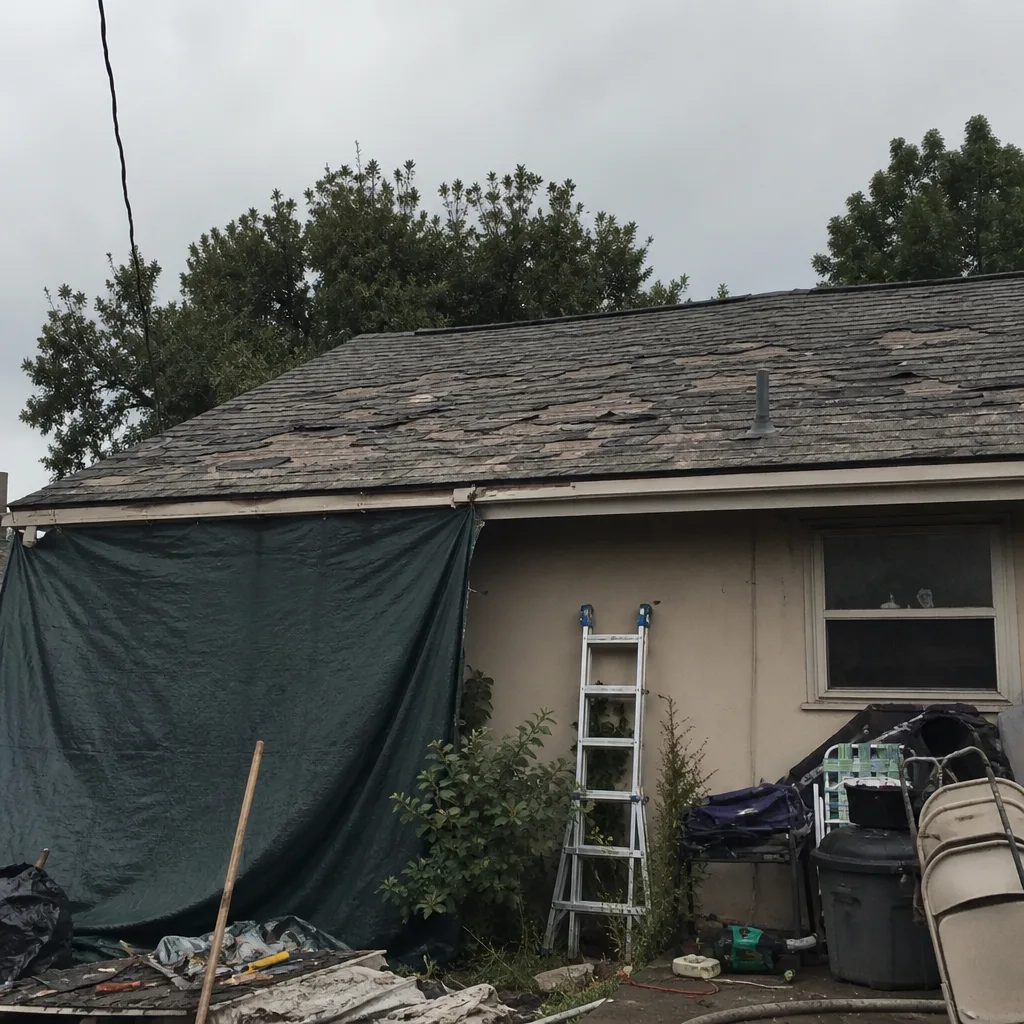
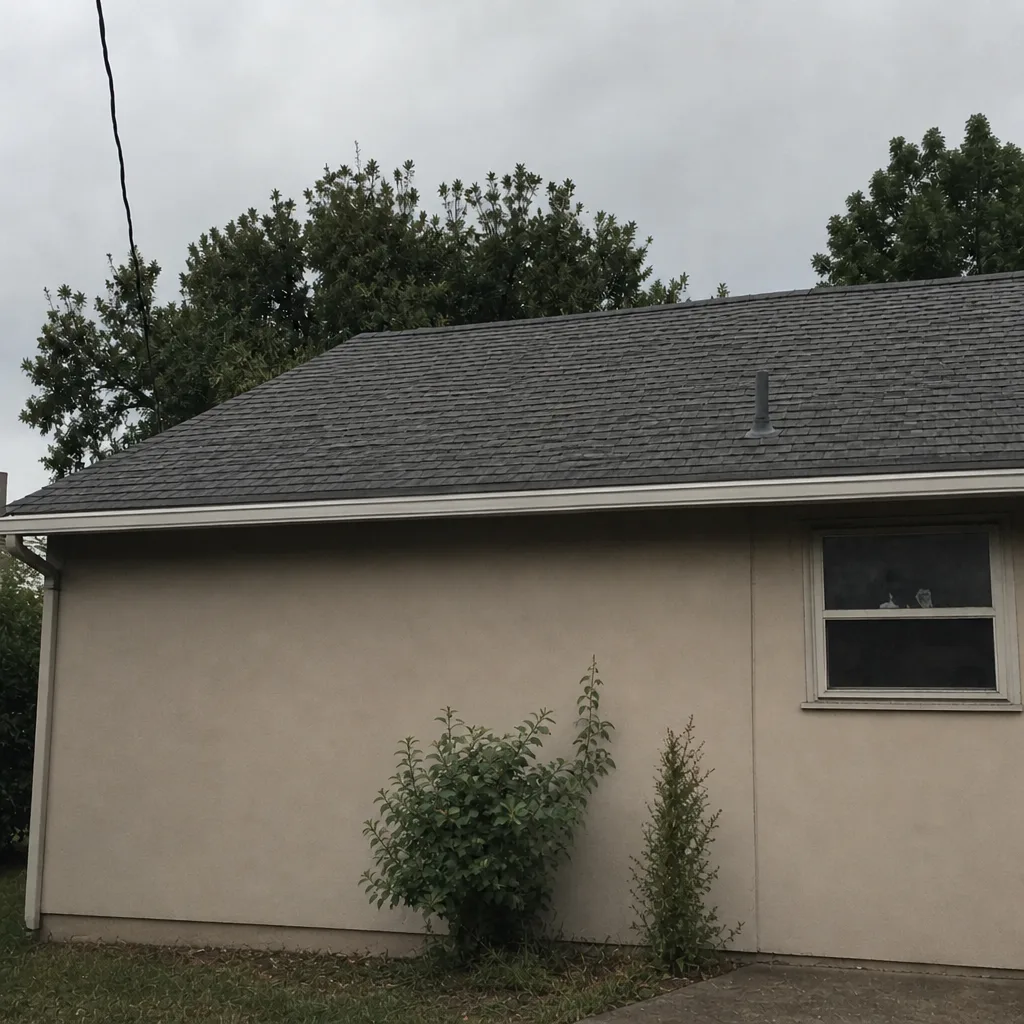
See the difference
 Before
 After
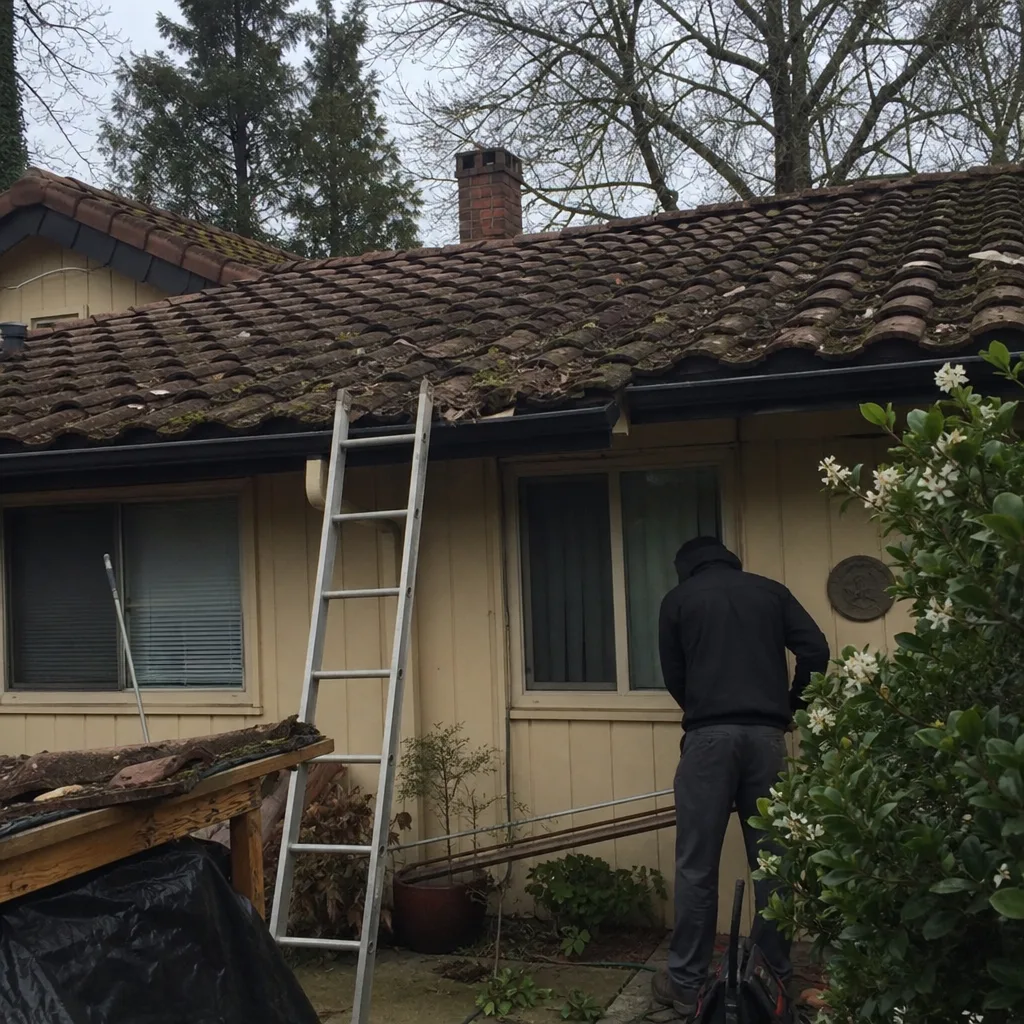 Before
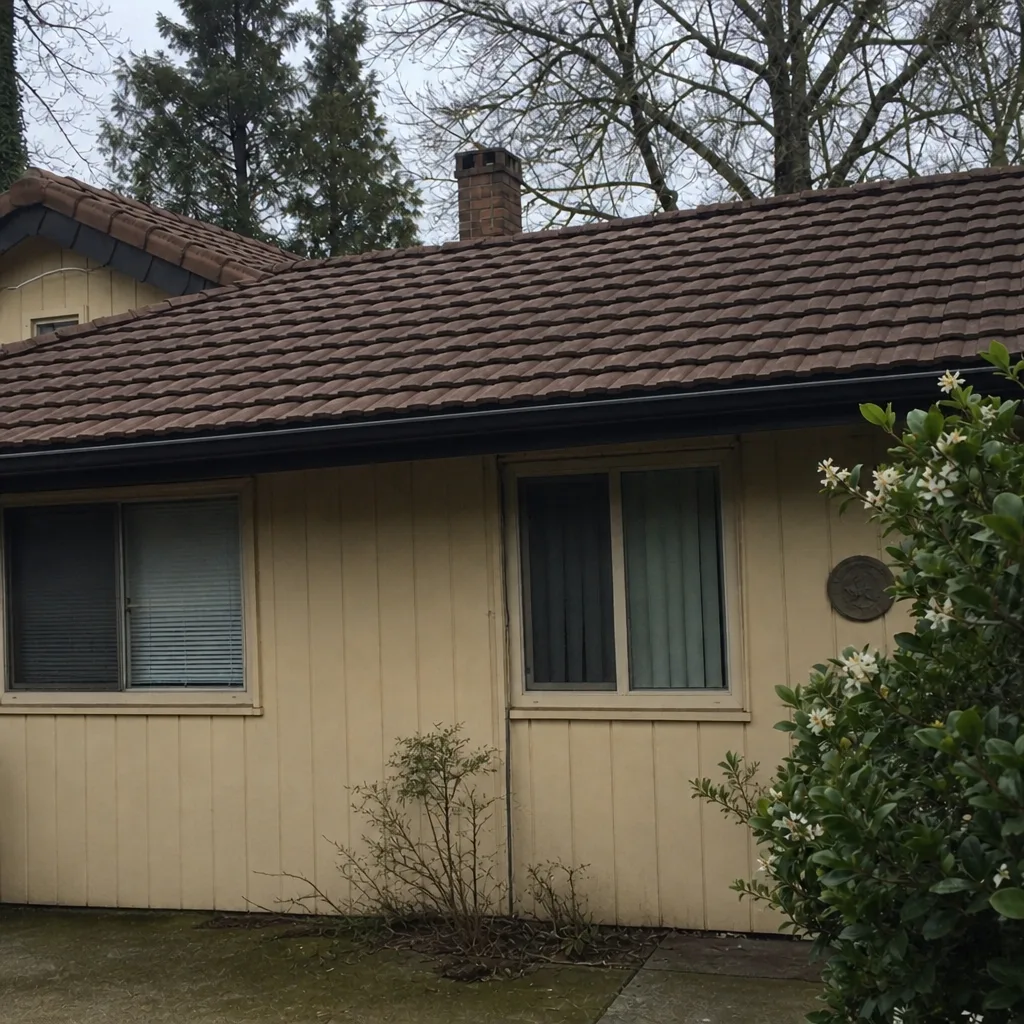 After
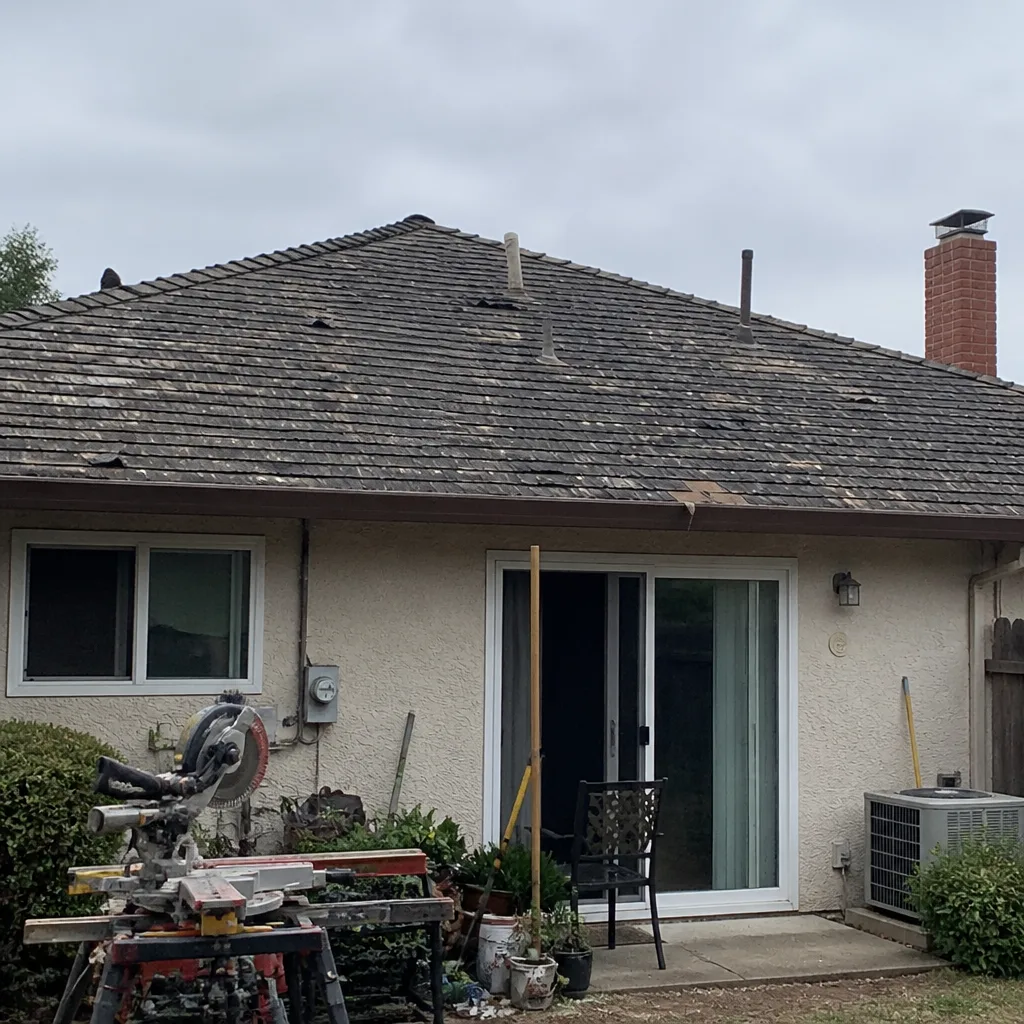 Before
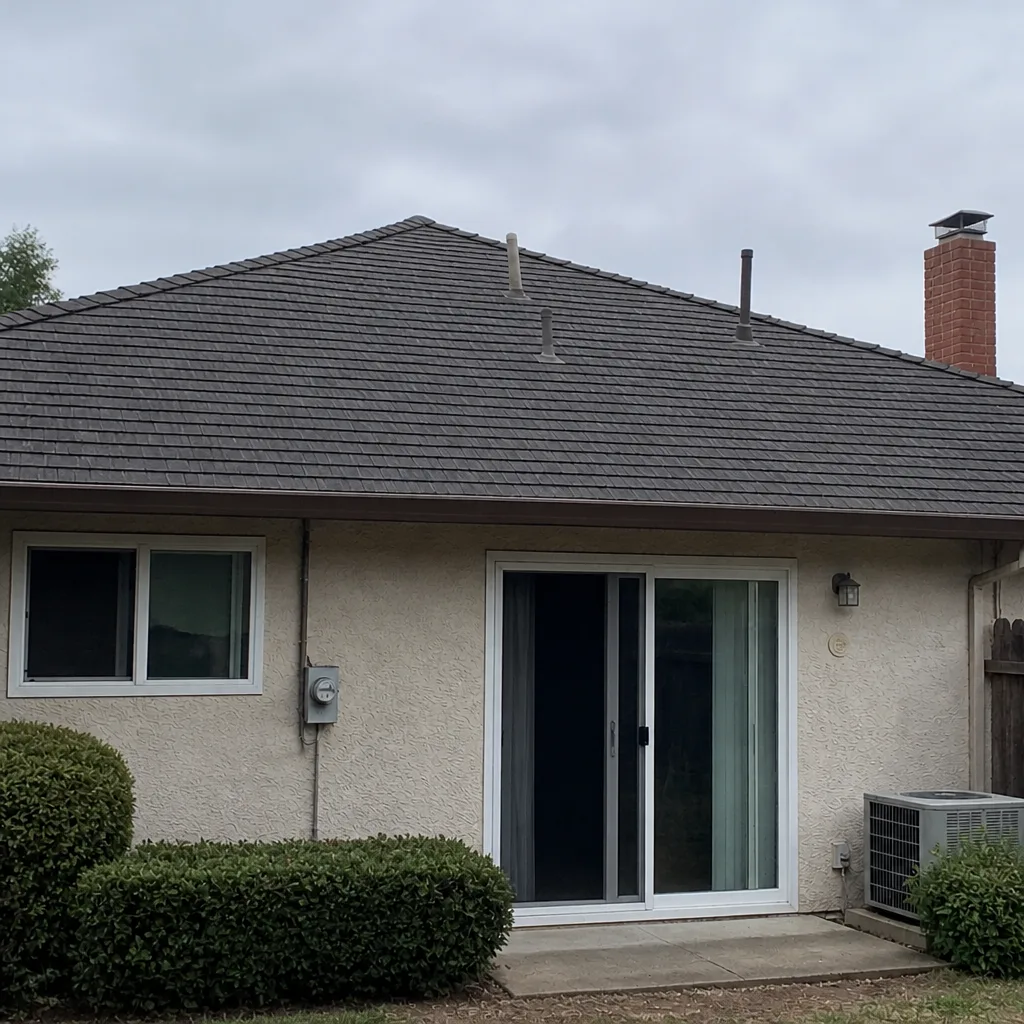 After
When to Call a Professional

If you’re considering a roof replacement in Citrus Heights and you’re not sure whether your project crosses the Title 24 threshold, pulls structural review, or sits in a WUI zone, that conversation is worth having before a single shingle is selected. Same goes for a material conversion: shingle to metal and tile to shingle both need a contractor who’s walked through the structural and documentation side before, not one who learns it on your job. We install asphalt shingle, tile, and metal from seven manufacturers including GAF, CertainTeed, Owens Corning, and Boral, so the material decision is driven by what fits the home, not by what we happen to stock. If prior unpermitted work shows up during the tear-off, that’s manageable when it’s handled inside the permit, and we can walk you through how that goes.
Our technicians have up to 8 years of experience. Citrus Heights Roofing Co offers free estimates in Citrus Heights. Call (279) 321-0356. We answer 24/7. Fast dispatch from 7am to 7pm, Sunday through Friday.
Frequently Asked Questions
Yes. A residential roof replacement in Citrus Heights requires a building permit through Sacramento County’s building department, even when the replacement is like-for-like. The permit covers the scope of work, and the final inspection must be signed off before the permit is closed. Without it, the work is unpermitted and becomes a disclosure issue at resale.
Title 24 requires cool-roof compliance in California when a roof replacement exceeds roughly half the roof surface. Citrus Heights sits in California Energy Commission Climate Zone 12, which has specific reflectance and thermal emittance thresholds. Not every roofing product meets those thresholds, so the material selection needs to include compliance documentation before the permit is submitted. If you’re not sure whether your specific product qualifies, call (279) 321-0356 for an exact quote – estimates are free.
Often, yes. Tile-to-shingle and shingle-to-metal conversions both change the dead load on the roof structure, which is why the county frequently requires structural documentation or a structural inspection for these conversions. A straight like-for-like shingle replacement usually gets a visual inspection instead. The material choice directly determines the inspection path.
The current homeowner inherits the issue. Under California disclosure law, known unpermitted work is a material defect that must be disclosed at sale. If the unpermitted roof is discovered during a replacement, the cleanest resolution is to disclose it in the new permit application and coordinate the correction as part of the current project, rather than waiting for the inspector to find it during an inspection.
Yes, if the property falls in a Wildland-Urban Interface zone. Chapter 7A of the California Building Code requires fire-resistant roof coverings in WUI zones, and the specific requirements vary by product. Class A fire-rated asphalt shingles, metal, and tile products usually satisfy WUI requirements, but the specific product needs to be confirmed. HOA rules add another layer, so both need to be checked before a material is chosen.
The permit review timeline varies with county volume at the time of submission, so there’s no single answer that holds for every project. Simple residential re-roof permits usually clear faster than new construction or conversion projects with structural documentation. A realistic schedule allows for the review period plus the inspection cycle, including a possible correction cycle. Call (279) 321-0356 for an exact quote on your specific scope – estimates are free.
The Bottom Line
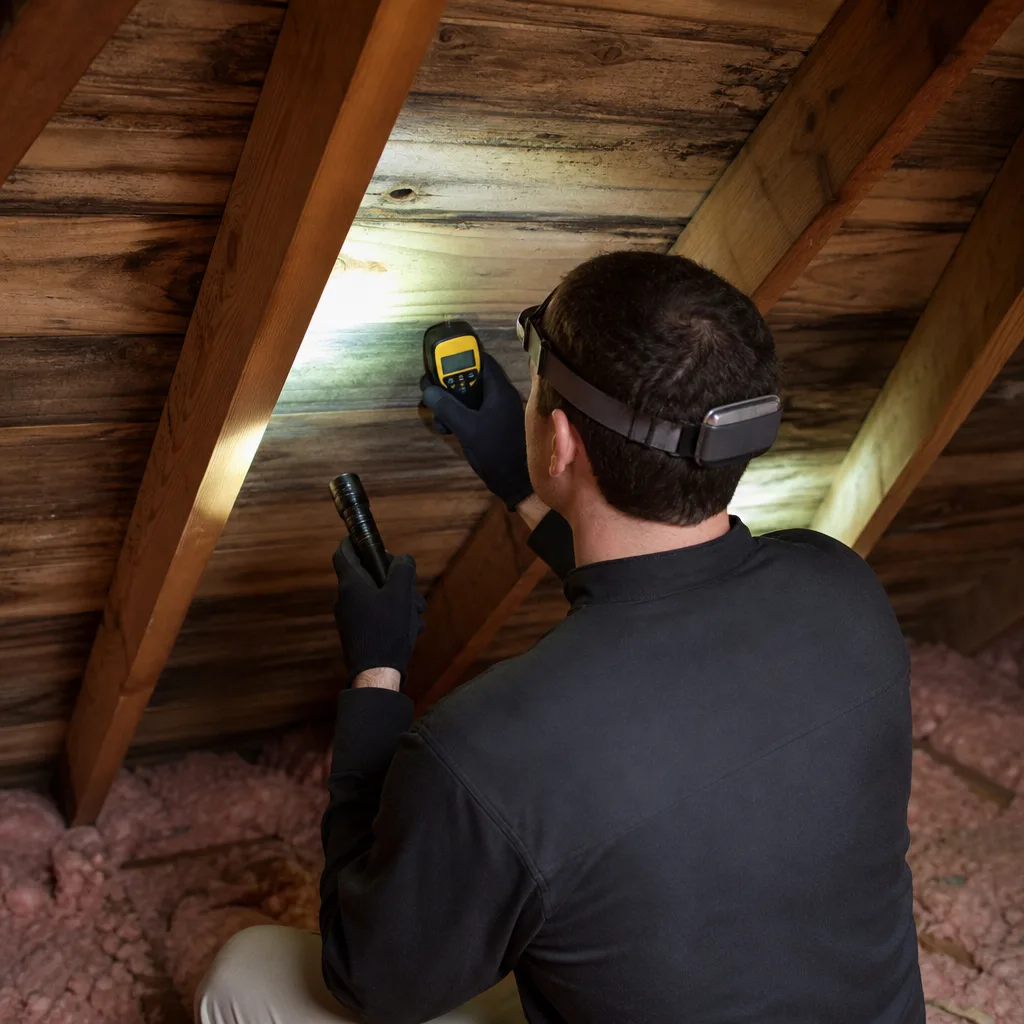
Roofing permits in Citrus Heights follow Sacramento County’s process, but the part that catches people is what’s layered on top: the Title 24 cool-roof threshold for Climate Zone 12 once you cross halfway on replacement, structural review on material conversions, WUI fire requirements on properties near wildland, and prior unpermitted work that follows the house across ownership changes. None of these are unknowable. They’re each predictable, and each is cheaper to handle before the permit is filed than after. That means selecting products that carry compliance documentation, asking the structural question before the tear-off, confirming HOA and WUI requirements against the intended product, and disclosing any prior unpermitted work in the application. Seven brands, three materials, and a contractor who knows where the thresholds sit. If this is a decision worth getting right, it’s worth starting the conversation before the first shingle is ordered.
Written by the team at Citrus Heights Roofing Co.