
Last updated November 25, 2026



Free roof inspection with deck photos before we talk money - GAF and Owens Corning certified installation
Roofing Warning Signs: A Citrus Heights Homeowner’s Reference Guide
Granules in the gutter get all the attention. Everyone knows to look for them, and by the time they’re washing down the downspout in visible handfuls, the shingle that shed them has usually been failing for a while. The sign that precedes that moment by roughly eighteen months is far quieter: micro-cracking that only shows up when the sun sits at a low angle and rakes across the field of the roof. Most homeowners never see it because they inspect their roof at noon, straight on, from the driveway. This guide is built around that earlier window, organized by what you can honestly assess from the ground and what needs a safe close-up look, with the signals that matter here in Citrus Heights.
Quick Answer
The most reliable early warning signs on a Citrus Heights roof are granule loss at the downspout outlets, shingles that have begun to cup rather than curl, hairline cracks visible only at low sun angles, and staining on attic decking that contradicts a clean-looking exterior. Any of these means the roof is telling you something before water reaches your ceiling. Two or more together usually means it’s time for a professional assessment rather than another season of waiting.
Styles & brands we work with
- Architectural shingles
- Metal roofing
- Tile roofing
- GAF
- Owens Corning
- Flat & low-slope
Table of Contents
- The Ground vs. Close-Up Triage System
- Cupping vs. Curling: What Sacramento Valley Thermal Cycling Does to Shingles
- Reading the Attic: Signals That Contradict a Clean Exterior
- Tile Roof Warning Signs: A Different Vocabulary Entirely
- Metal Roof Warning Signs
- Repair or Replace? Reading the Difference
- Seasonal Inspection Calendar for Citrus Heights Homes
- What to Record Before You Call Anyone
The Ground vs. Close-Up Triage System
Not every warning sign can be checked safely from a ladder, and that distinction matters more than most lists admit. A steep roof, a two-story elevation, or a tile surface that crushes under a misplaced foot all turn a well-intentioned inspection into a hazard. We’ve watched homeowners spend a Saturday on a roof they had no business standing on, looking for a problem that could have been spotted from the lawn with binoculars and a patient five minutes.
Here’s the split we recommend. Assess these from the ground, safely, with no ladder:
- Granule accumulation at downspout outlets and in gutter runs, especially after a rain
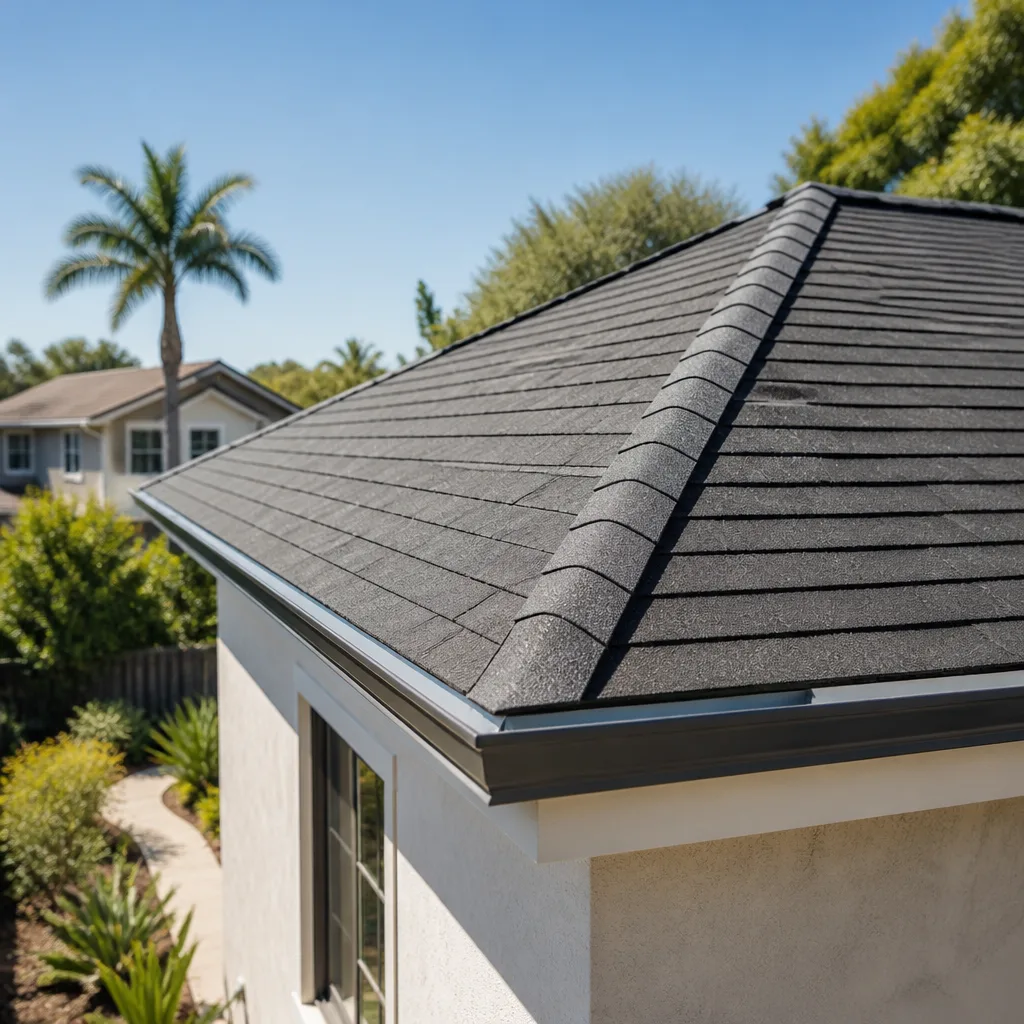
- Shingle tabs that sit out of plane with their neighbors, visible as a wavy or shadowed field
- Ridgelines that sag or run visibly crooked against the sky
- Exposed or rusted fasteners on the field of the roof
- Debris piles, moss in shaded north slopes, and anything the wind brought down
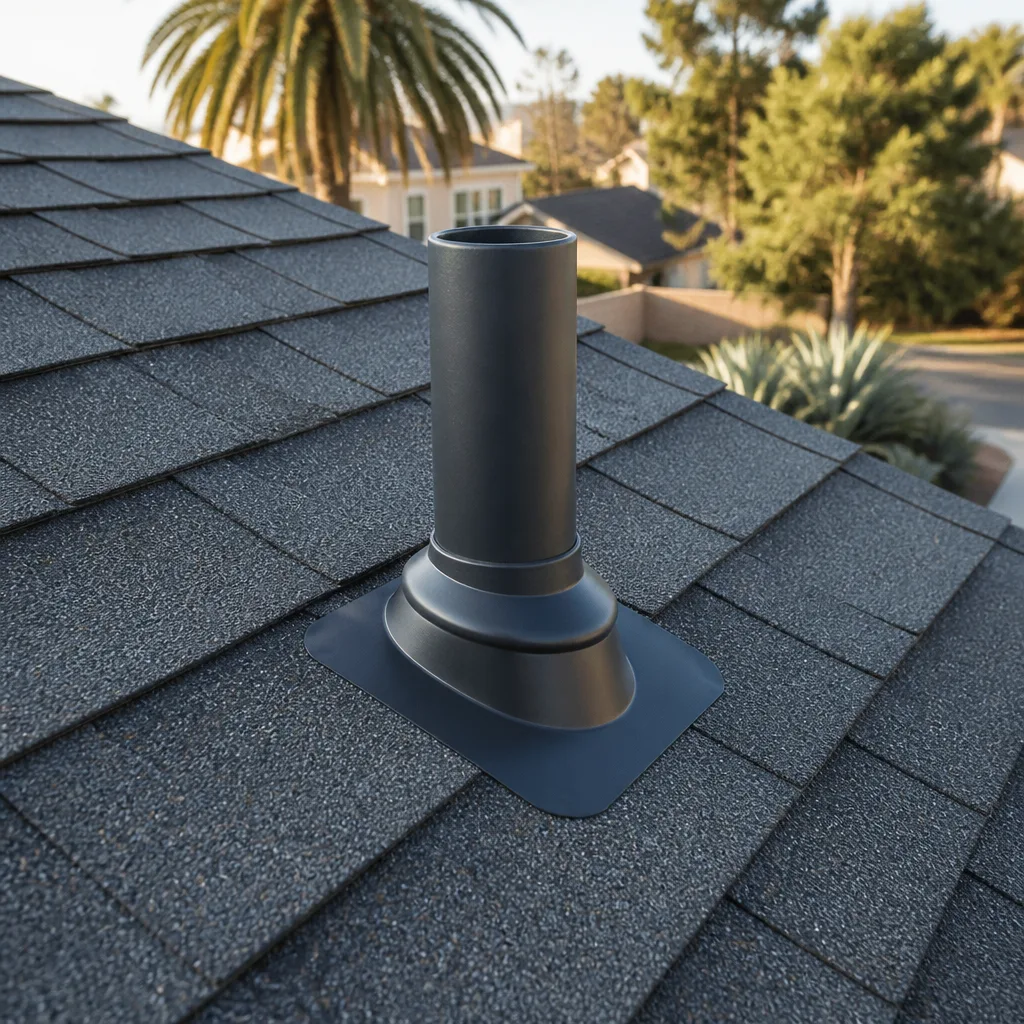
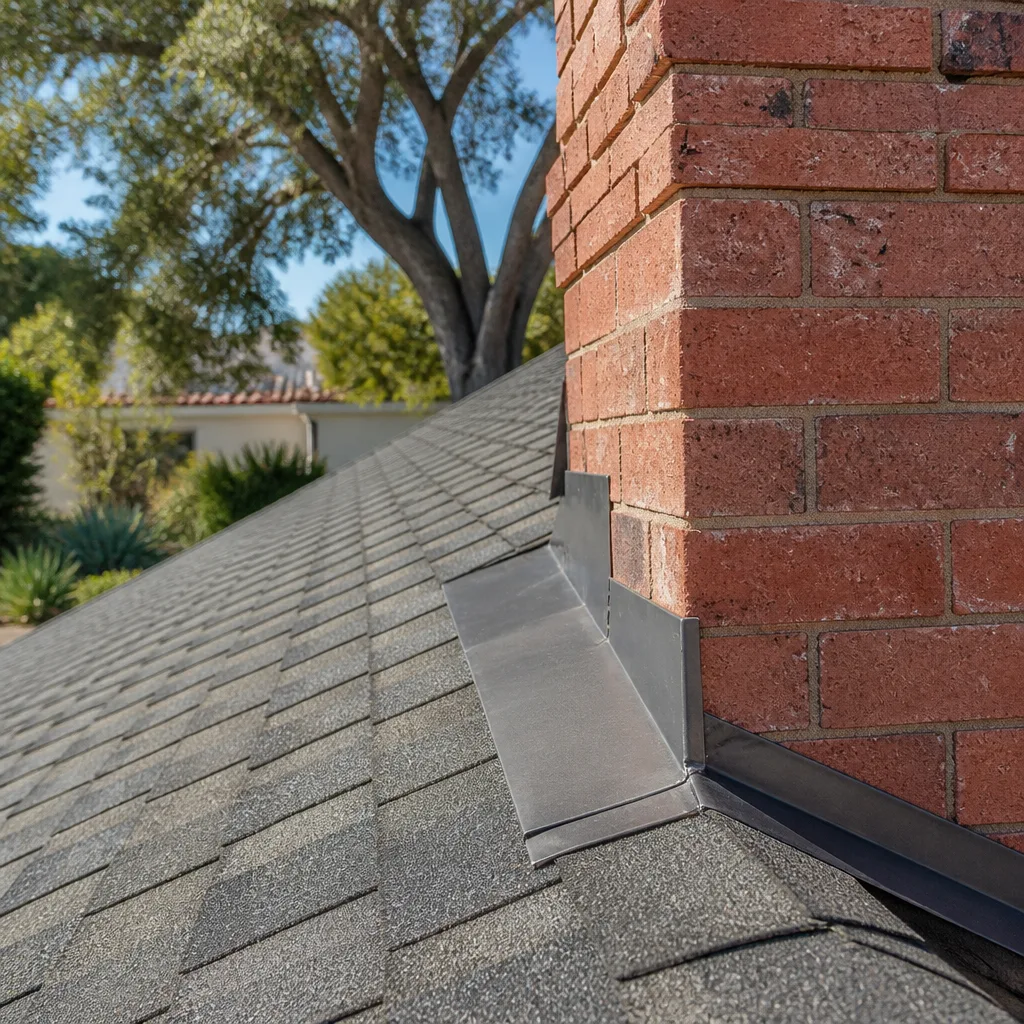
- The condition of flashing around chimneys and vent stacks, visible from a distance with binoculars
- Soft spots in the soffit when you press gently, standing on the ground under the eaves
Leave these to a professional, since they require walking the roof or opening the attic:
- Micro-cracking on shingle surfaces, which only reads under a low sun angle
- Seal strip adhesion, where the tab above bonds to the one below
- Hairline cracks in tile and the condition of mortar at the ridge and hip
- Decking integrity and fastener seating across the whole field
- Attic-side examination of decking, framing and insulation contact
We’ll walk you through shingle versus tile versus metal so you know what you’re actually looking at before anyone climbs. Call Citrus Heights Roofing Co for a free estimate if the ground check turns up anything on the first list. Our technicians have up to 8 years of experience with these roof types in this heat, and an estimate costs nothing.
Cupping vs. Curling: What Sacramento Valley Thermal Cycling Does to Shingles
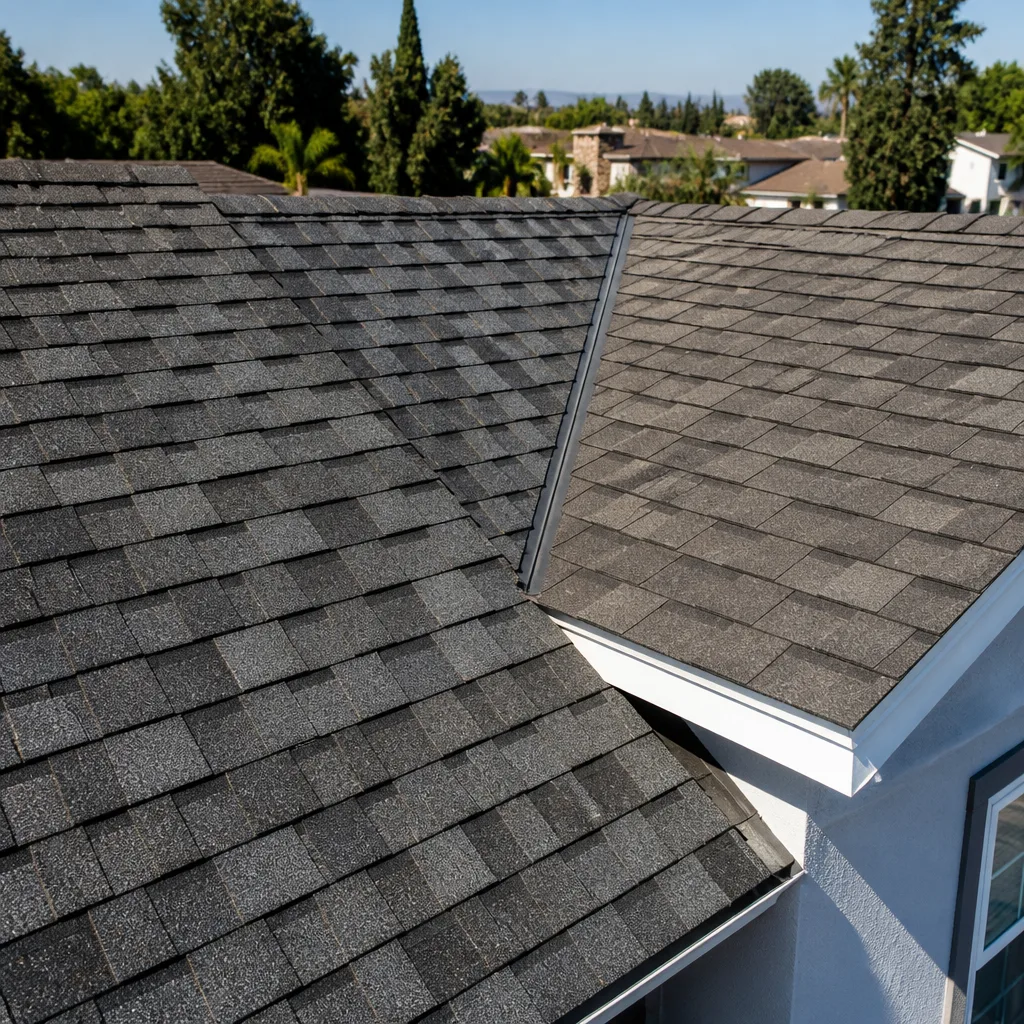
Cupping and curling get used interchangeably in most checklists, and that’s a mistake, because they point to different failure mechanisms. Cupping is when the shingle’s edges lift and the center stays down, forming a shallow bowl. Curling is when the whole tab lifts at one edge or rolls upward. On a Citrus Heights asphalt shingle roof, the two tell you very different things about how far along the damage is.
Daytime surface temperatures on a dark shingle roof in the Sacramento Valley routinely climb well above the air temperature, then drop sharply overnight. That daily expansion and contraction, repeated across thousands of cycles, is what ages a shingle from the inside. It shows up first at the weakest point: the seal strips and the mat edges.
What cupping usually indicates
Even cupping across a whole slope often points to ventilation problems. A hot, poorly vented attic drives heat up into the underside of the decking, and the shingles bake from both sides. That’s a roof issue and an attic issue at once, and replacing the shingles without addressing the venting just resets the clock. Look for cupping that’s worse on the sun-facing slopes and milder on shaded ones.
What curling usually indicates
Curling tends to point to the shingle mat itself losing flexibility, which is normal aging for asphalt. Tabs that curl and lift lose their seal and become wind-catchers. Once a shingle curls, the tab can separate in a gust and take the next one with it, so a few curled tabs on a windward edge is a repair you want to make sooner rather than a whole-roof problem.
What micro-cracking indicates
Micro-cracking is the quiet one. Under a low morning or late afternoon sun, a failing shingle surface shows a fine web of cracks that isn’t visible straight-on at midday. It’s the surface layer checking under thermal stress, and it usually shows up months before granule loss gets obvious. If you can see it at all, the shingle has been working hard for a while.
Whether you’re choosing Owens Corning Duration or a Tamko line for the replacement, we install both, and the choice should follow the ventilation and the exposure on your specific roof rather than whichever product a contractor happens to favor. That’s the whole point of comparing before you commit to a roof replacement.
Reading the Attic: Signals That Contradict a Clean Exterior
The most misleading roof is the one that looks fine from the street. In our experience across Citrus Heights, the attic is where the truth lives, and a homeowner who learns three attic signals can catch a roof problem before it reaches the drywall.
Go up on a dry, bright day with a flashlight. Then look for these:
- Staining patterns on the decking. Brown rings, tide marks, or dark streaks on the underside of the roof sheathing mean water is getting past the shingles and drying on the wood. A single faint ring near a valley or chimney is worth a pro’s look. Multiple rings spread across the field say the roof has been leaking for a while.
- Compressed or darkened insulation. Insulation that’s been wet and then dried compresses and darkens in patches. If the insulation under one part of the roof looks flat and stained while the rest is fluffy, water is landing there. Don’t press hard on wet insulation; just note where it is.
- Daylight intrusion. On a bright day, any pinpoint of light through the roof deck, or light visible around a vent boot or chimney flashing, is a gap. A tiny one may be a fastener hole, but it’s still a path for water and insects, and it’s a cheap repair while it’s still small.
Two more worth knowing: rust streaks on nails poking through the decking, and a musty smell that doesn’t come from the crawlspace. Rusted nail shanks are a sign of long-term moisture. A persistent smell in the attic means moisture is present even if you can’t see the stain yet.
If the attic tells you something the exterior didn’t, that’s the moment to get a professional opinion rather than patch and hope. Moisture in the attic finds the ceiling eventually, and the repair is always cheaper before that. Call (279) 321-0356. We answer 24/7. Fast dispatch from 7am to 7pm, Sunday through Friday.
Tile Roof Warning Signs: A Different Vocabulary Entirely
If you’ve been reading shingle warning-sign lists and applying them to a tile roof, you’ve been looking for the wrong things. Tile doesn’t cup, doesn’t shed granules, and doesn’t curl. It cracks, it chalks, it effloresces, and its mortar joints fail. Those are the signals to watch.
Citrus Heights has a real mix of roof types, and tile roofs here range from newer installations to older ones with decades of sun on them. The tile itself often outlives the underlayment beneath it, which is the part homeowners forget. The underlayment is what actually keeps water out; the tile is the armor on top. When a tile roof starts leaking, the underlayment is usually the reason, even though the tile looks intact.
Tile-specific warning signs:
- Hairline cracks. A fine crack across a tile, often starting at a corner or the field, lets water through to the underlayment. Hairline cracks multiply with thermal cycling and are easy to miss from the ground.
- Efflorescence. White, chalky mineral deposits on the tile surface can indicate moisture moving through the tile body. It’s not always a leak, but combined with other signals it’s worth a close look.
- Broken or slipped mortar at ridges and hips. The mortar between ridge tiles and at the hip caps is the first thing to fail with age and heat. Cracked, crumbly or missing mortar opens the ridge line to water.
- Displaced or sliding tiles. Tiles that have shifted out of plane, usually after wind or a settling issue, leave the underlayment exposed.
- Visible underlayment at valleys and edges. If you can see the dark felt between tile courses, the tile coverage has shifted.
Here’s where tile gets tricky: walking a tile roof is a specialized skill, and a misplaced step breaks tiles that were fine before the inspection. That’s a job for someone who does it regularly, not a Saturday ladder project. If you’re weighing a new roof installation on a new build or addition, the same material comparison logic applies from day one, which is why we install Boral tile alongside the shingle lines.
Metal Roof Warning Signs
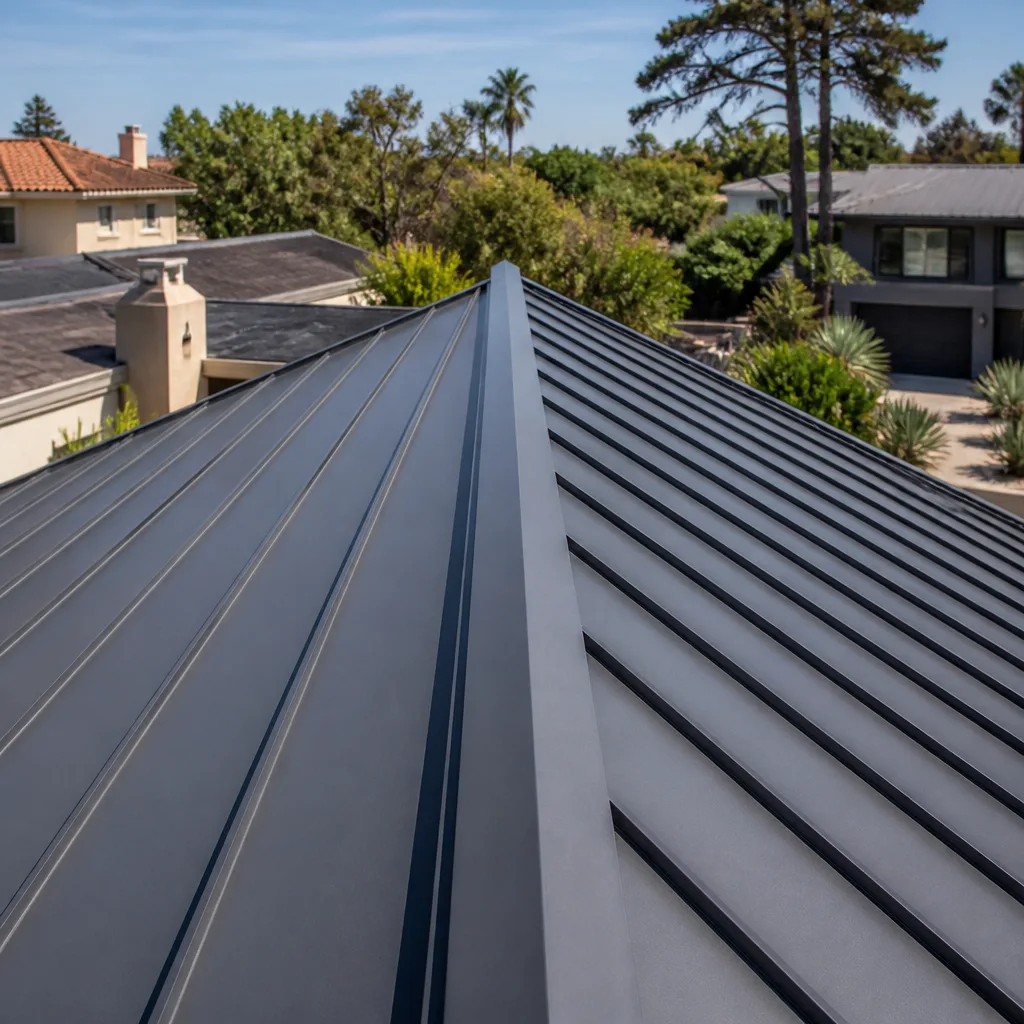
Metal roofs are durable, but they have their own tell-tales, and most homeowners don’t know what to look for. On a Citrus Heights metal roof, the warning signs are about fasteners and seams, not surface wear the way you’d watch a shingle.
- Backed-out or missing fasteners. Exposed fasteners on a metal roof can work loose over time. A loose screw is a leak waiting for the next rain, and a missing one leaves an open hole.
- Lifted or separating seams. Standing-seam panels and their closures can lift at the edges. Any gap along a seam is a water path.
- Rust or corrosion at penetrations. Vent boots, pipe collars and any place a hole was cut into the metal rust first. Rust stains running downslope are a strong signal.
- Dents and oil-canning. While not a leak, widespread dents suggest the panels have taken impacts and may have compromised fasteners behind them.
- Loose or failing sealant. Any sealant used at flashings or closures has a service life. Cracking or peeling sealant means it needs attention before the next wet season.
Metal is a longer-lived material than most shingles, but it needs the same attention to the weak points around penetrations and edges. If it’s been a while since anyone looked at it closely, it’s worth the assessment.
Repair or Replace? Reading the Difference
This is the question that follows any warning sign, and surface appearance is a poor guide to the answer. A roof can look rough and still be years from replacement, or look intact and be beyond saving. The distinction comes down to how widespread the problem is and whether the failure is in the surface or the whole system.
These signs usually indicate a repair is sufficient:
- Damage localized to one slope, one valley, or a single flashing
- A few curled or lifted shingles on a windward edge, with the rest of the field sound
- One cracked tile or a small section of failed ridge mortar
- Loose fasteners on an otherwise sound metal roof
- A boot or collar failure around one vent or pipe
These signs mean replacement is already overdue, even if the surface looks acceptable:
- Micro-cracking across most of the field
- Widespread cupping or curling on multiple slopes
- Repeated attic staining across several areas
- Underlayment failure under an intact-looking tile roof
- Exposed or rusted fasteners across the whole field
- Granule loss so extensive the roof surface reads flat and chalky
- Multiple patches from past years, each holding for less time than the last
We install asphalt shingle, tile and metal from seven manufacturers, including GAF, CertainTeed, Owens Corning, IKO, Atlas, Tamko and Boral. Seven brands. Three materials. One contractor. That breadth means we can give you an honest read on whether your current roof is a repair or a replacement, because we’re not tied to one product. Whether you’re comparing IKO or Atlas shingle lines, a repair versus replacement call is a shingle roofing question before it’s a product question. When the answer is replacement, the written estimate sets the final price, so there’s no surprise after work begins.
Seasonal Inspection Calendar for Citrus Heights Homes
Citrus Heights sits in a climate where the seasons matter for roofing in a specific way. The wet season concentrates around the winter months, and the long dry summer bakes the roof between them. What you’re looking for changes with the calendar, so a short routine at the right times catches problems when they’re small.
- Early fall, before the rains. Check gutters and downspouts for granule buildup. Clear any debris from the roof surface and valleys. Look for shingle cupping or curling and note any suspicious flashing. This is the last easy chance to schedule a repair before the wet season, and it’s the single most useful inspection of the year.
- Mid-winter, after the first real rain. Go up into the attic and look for new staining, darkened insulation or daylight intrusion. Check the ground below the eaves and shingle edges for new granule loss. A leak that shows up only in winter is telling you the roof has a weakness being activated by rain, and you want to catch it while it’s a repair.
- Spring, when the sun is low. Walk the property at an angle to the roof in the morning or late afternoon. This is when micro-cracking becomes visible. Look at the north-facing slopes especially, since they hold moisture longer and grow moss more easily. Note any change from the fall walk-around.
- Mid-summer, after a heat stretch. Heat drives cupping and curling. Check for newly lifted or separated tabs and any new sag to the ridgeline against the sky. This is the season for fasteners backing out on metal roofs too.
The best part of the four-visit routine is how little it costs you. It’s time, not money. If something shows up in a check you can’t safely confirm, that’s when you call a professional rather than get back on the ladder. Call (279) 321-0356. We answer 24/7. Fast dispatch from 7am to 7pm, Sunday through Friday.
What to Record Before You Call Anyone
When you do call, the quality of your notes determines how quickly you get a useful answer. A contractor can’t assess a roof by phone, but you can save a visit or two by describing what you’ve seen accurately. Our technicians have up to 8 years of experience reading exactly these signals, and a clear description helps them know what tools and materials to bring.
Have these on hand before the call:
- Where the signal is. “The northwest corner near the chimney” gets a better answer than “on the roof somewhere.” Use the compass directions of your house as you face it from the street.
- What you saw and when. Granules in the gutter first noticed after last winter’s rain, versus shingles curling over this summer. Timing tells the technician which failure mechanism is likeliest.
- The roof’s material and apparent age. Note the roof type (asphalt shingle, tile, metal) and, if you know it, roughly when it was last replaced. This changes the whole assessment, since a 15-year-old shingle roof and a 15-year-old tile roof are in very different places.
- Any interior signs. Fresh attic staining, a musty smell, or ceiling paint that’s begun to bubble. Even a small interior sign changes the urgency.
- The number of stories and the roof pitch. A steep two-story roof and a low single-story roof get different inspection approaches. It’s also a safety question, and it’s the reason a technician will tell you not to climb.
If you’re unsure what you’re looking at, say that. A homeowner who says “I see something odd near the valley but I’m not sure” gets the same visit as one who’s sure, and often the technician finds it was a minor issue. Getting it looked at is always cheaper than waiting for it to become an interior problem.
Common Mistakes to Avoid
- Checking the roof at noon. Micro-cracking, the earliest warning sign, only reads under a low sun angle. Time your inspection for morning or late afternoon and you’ll see what noon hides.
- Climbing a steep or two-story roof for a look. This is the single most dangerous mistake in this whole guide. Binoculars from the yard, plus a pro when something needs a closer look, keeps you off a surface you can’t safely walk.
- Applying sealant over an active leak without finding the source. Covering a wet stain or a cur
See the difference
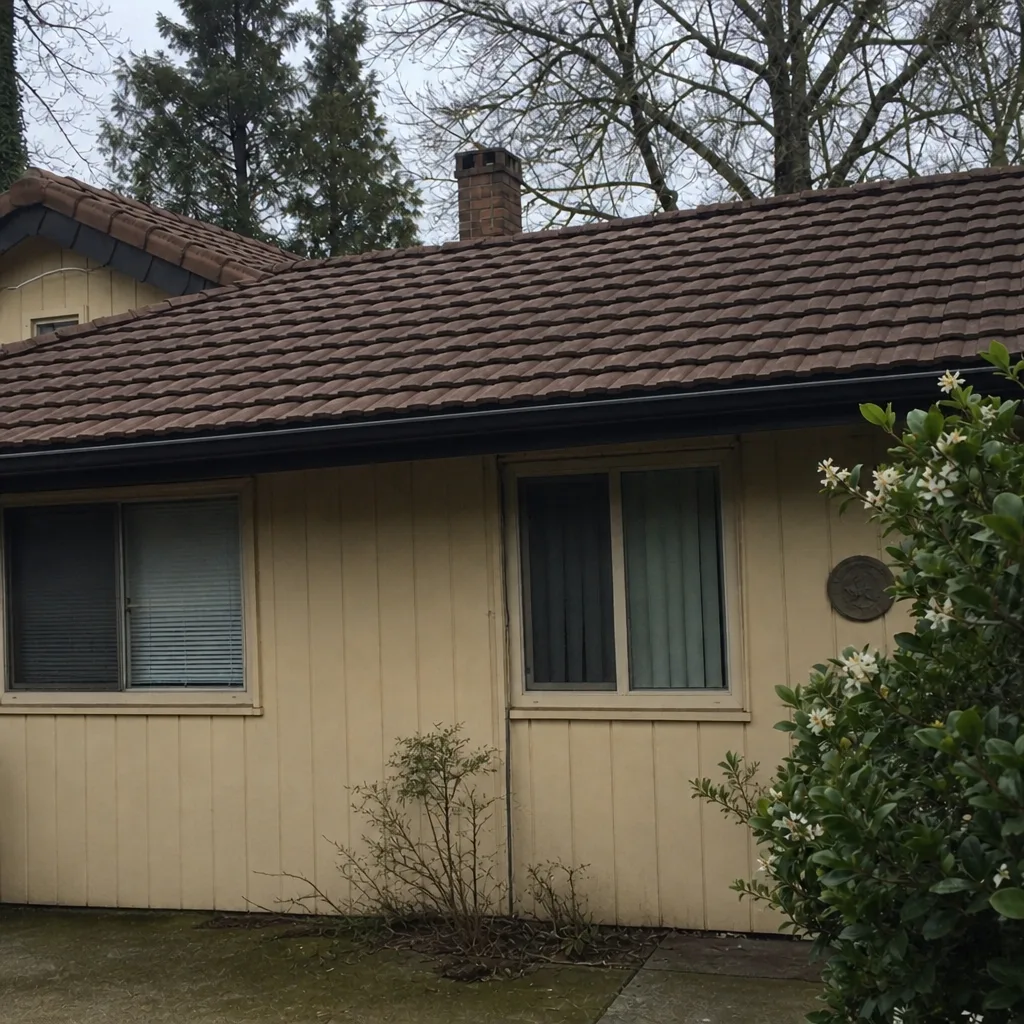
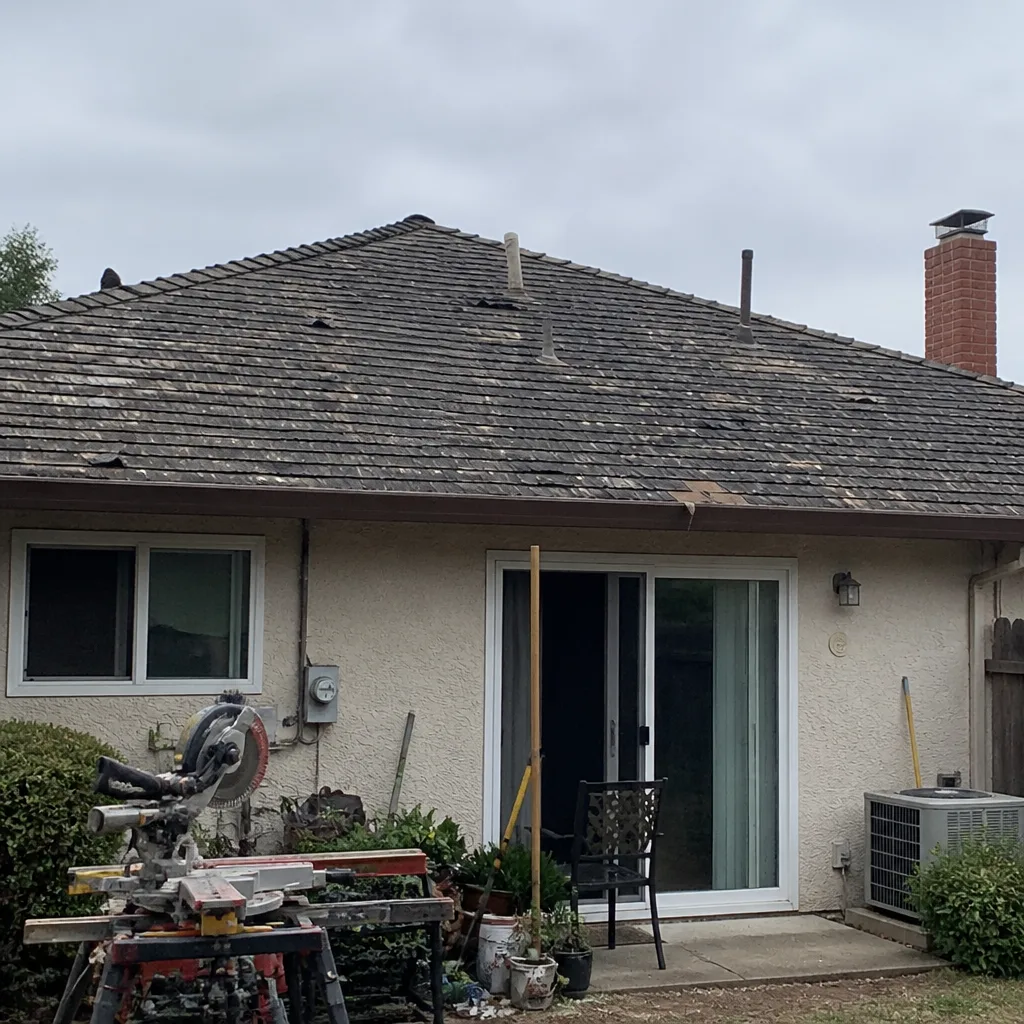
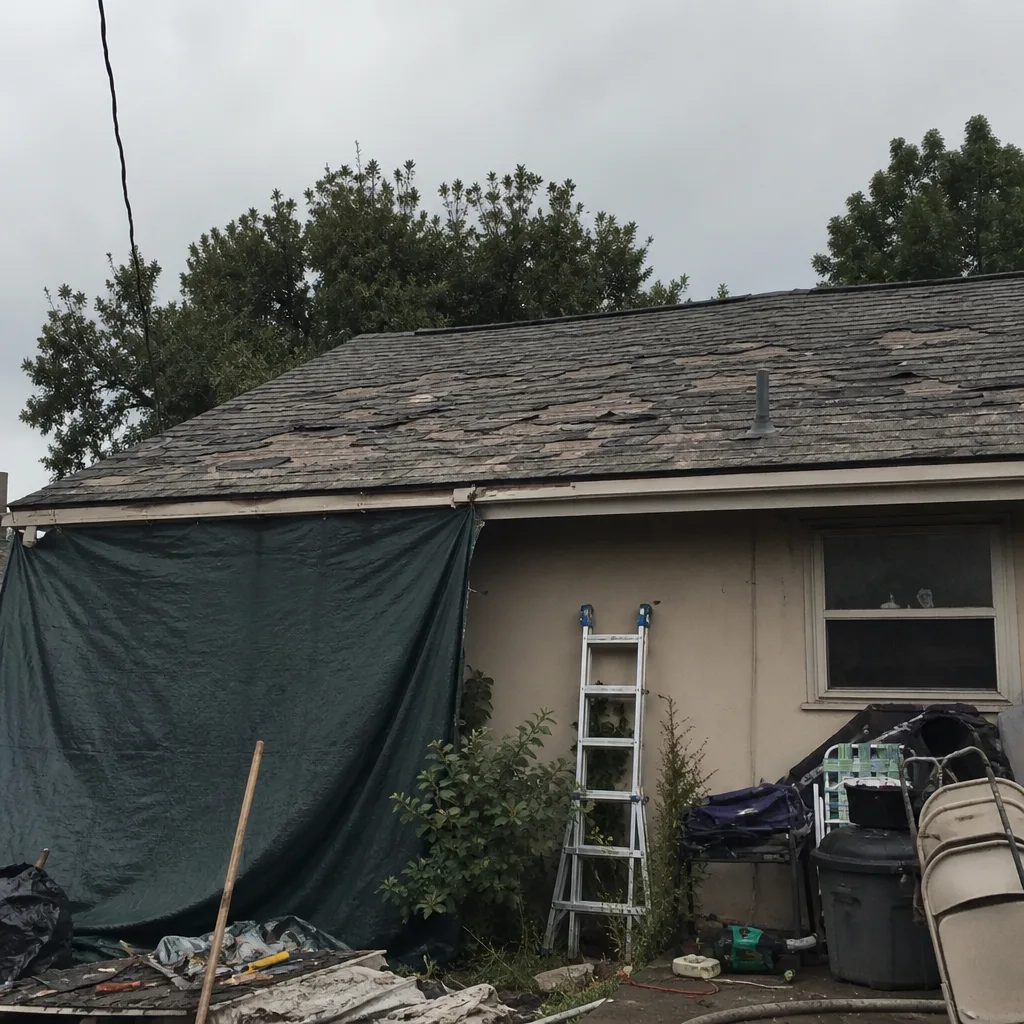 Before
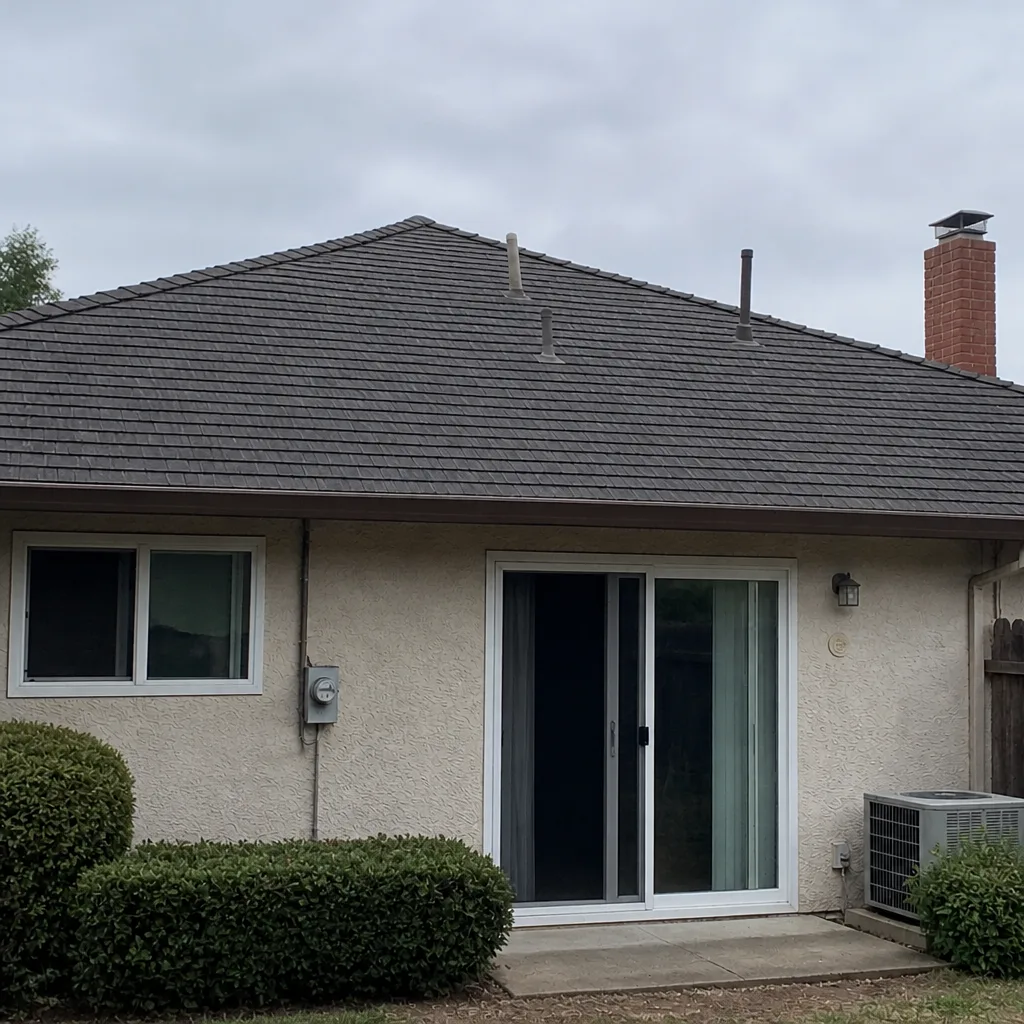
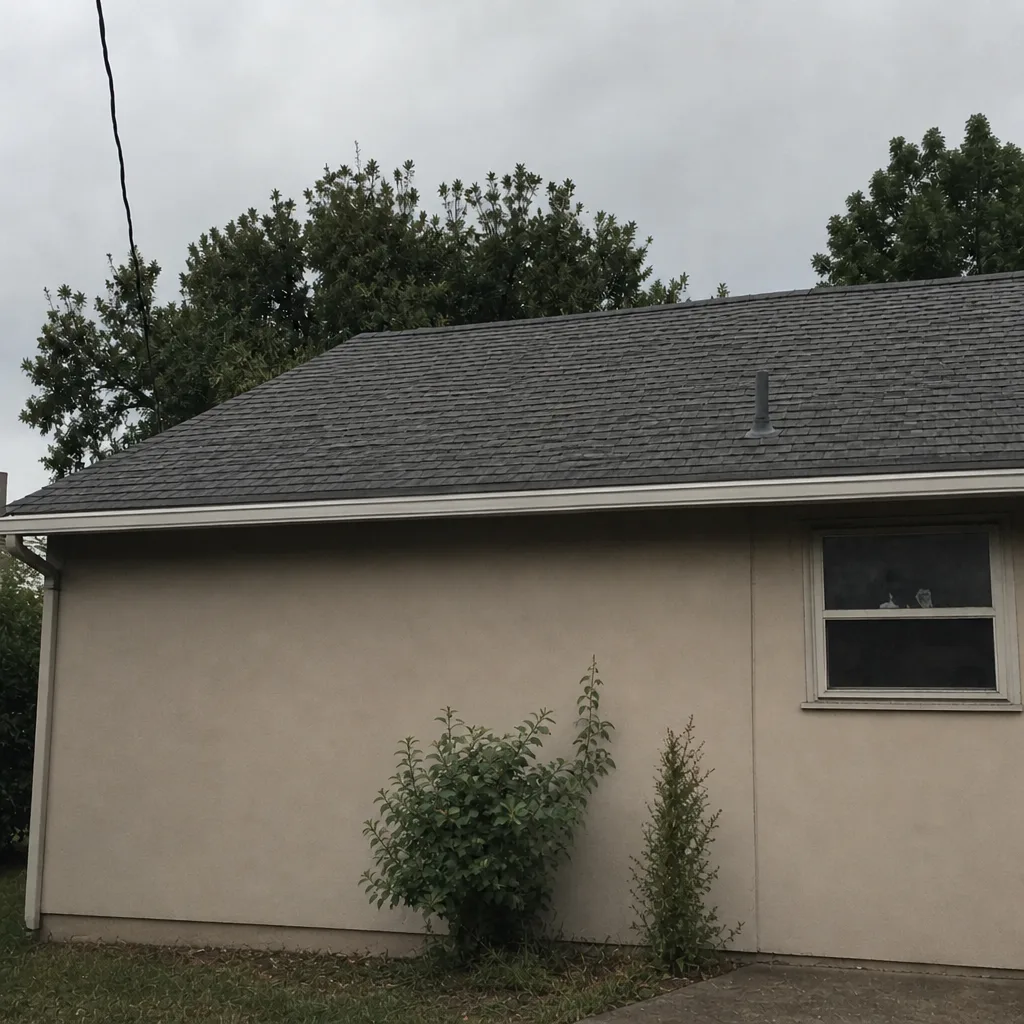 After
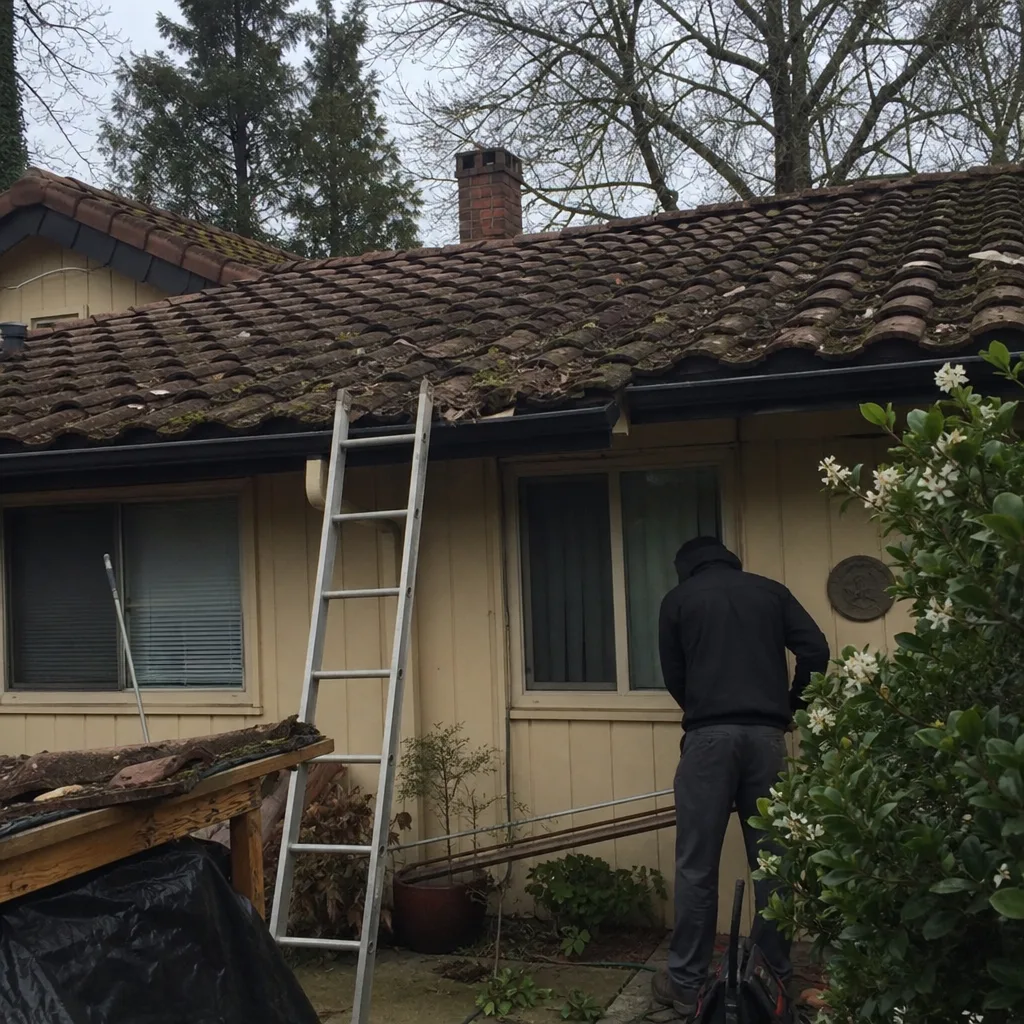 Before
 After
 Before
 After