Last updated November 25, 2026

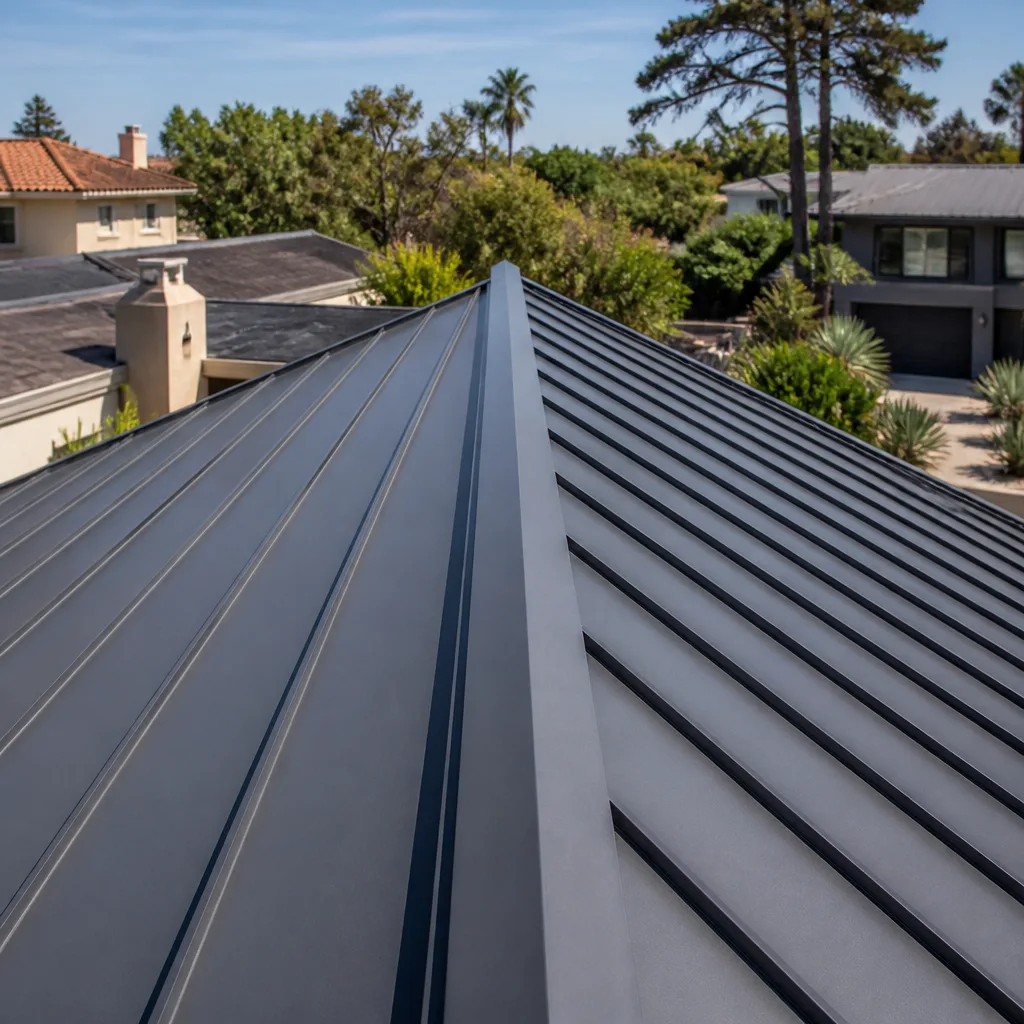
Free roof inspection with deck photos before we talk money - GAF and Owens Corning certified installation
The Complete Roof Replacement Guide for Citrus Heights Homeowners
Most homeowners call for a roofing quote assuming the big decision is which shingle to pick. It isn’t. By the time you’re choosing a color, the choices that actually determine what your roof costs and how long it lasts have already been made upstream: how the deck is built, how the roof ventilates, which warranty tier you qualify for. Pick a material first and those decisions get made for you, or against you. That’s the trap in “just replace what was there” – it rebuilds the same problems in a new product. We wrote this guide to map the sequence in order, so when you sit down with a bid in Citrus Heights, you know exactly what you’re deciding at each step and why the order matters.
Quick Answer
A roof replacement in Citrus Heights is a sequence of stacked decisions: assess the structure and deck, select a material category (asphalt shingle, tile, or metal), choose a manufacturer and product tier, then qualify the contractor. Reversing that order – picking a shingle before anyone has looked at your deck – is the most common and most expensive mistake. The final price is set by a written, line-item estimate, and a full tear-off is what actually reveals your deck’s condition.
Styles & brands we work with
- Architectural shingles
- Metal roofing
- Tile roofing
- GAF
- Owens Corning
- Flat & low-slope
Table of Contents
- Why Roof Replacement Is a Sequence, Not a Purchase
- How Sacramento Valley Heat Cycles Stress a Citrus Heights Roof
- Structure and Deck: What a Tear-Off Really Reveals
- Asphalt Shingle, Tile, or Metal: Choosing the Material Category
- Brand and Product Tier: What Manufacturer Backing Actually Buys You
- How to Read a Roofing Bid Line by Line
- Permits, Insurance, and the Paper Trail That Protects You
- Qualifying the Contractor Before You Sign
Why Roof Replacement Is a Sequence, Not a Purchase
A roof is a system, and systems get built in order. The deck has to be sound before anything is fastened to it. Ventilation has to be planned before the deck is closed in, because the intake and exhaust you choose determine how much heat and moisture leave the attic. Material category determines the deck requirements, the fastening pattern, the flashing details, and often the weight the structure has to carry. Manufacturer and product tier determine which warranty you can register. Contractor qualification determines whether any of the above gets installed to spec. Each step constrains the next.
Here’s why the order matters in practice. Suppose you fall in love with a tile profile before anyone inspects the structure. Tile is heavy, and some older roof structures aren’t framed for it without reinforcement – so you either pay for structural work you didn’t budget, or you abandon the material after the design work is done. Suppose you pick a premium architectural shingle before checking ventilation. The material is fine; the attic still cooks because the intake was undersized, and the warranty tier you thought you were buying may not register without proper ventilation. Nothing was wrong with the product. The sequence was wrong.
The correct order, short version:
- Assess the structure and deck condition.
- Select a material category that fits the structure, the exposure, and the budget.
- Choose a manufacturer and product tier within that category.
- Qualify the contractor to install that specific system to the manufacturer’s specification.
Walk into a Citrus Heights roofing conversation with that order in your head and you’ll spot a rushed bid immediately. Anyone who quotes a shingle before looking in your attic is selling a product, not designing a roof.
How Sacramento Valley Heat Cycles Stress a Citrus Heights Roof
The Sacramento Valley is a demanding place to put a roof, and it’s not the cold that does the damage. It’s the exposure. Summers push past 100°F regularly, and the roof surface runs hotter than the air temperature – dark asphalt and tile in full afternoon sun can be blistering to touch and hard on the materials underneath. Then winter arrives wet and persistent, soaking the assembly for weeks at a time. That cycle of extreme dry heat followed by sustained moisture, repeated year after year, is what ages a roof here.
Heat does several things to a residential roof. It drives thermal expansion and contraction across the whole assembly, working on sealants, flashings, and fasteners. It bakes the volatile compounds out of asphalt over time, which is why shingles stiffen and lose flexibility as they age. It makes the attic a heat trap, and without adequate ventilation that trapped heat radiates back into the deck and shortens the life of whatever sits on top. Citrus Heights homes with low-slope sections and minimal attic ventilation feel this first.
The material properties that counteract this are specific:
- Reflectivity and emissivity. Cool-rated shingles and lighter tile reflect more solar energy, keeping the roof surface and attic cooler. That’s a heat-management decision as much as an aesthetic one.
- Flexibility retention. Better asphalt formulations hold their flexibility longer under heat cycling, which is where product tier within a brand genuinely separates.
- Fastener and flashing stability. Metal components and fasteners that are rated for thermal movement hold up better across thousands of expansion-contraction cycles.
- Ventilation balance. Balanced intake and exhaust keeps the deck cooler and drier, which protects the material and helps satisfy manufacturer warranty conditions.
When we walk a Citrus Heights roof, this heat-and-moisture cycle is the framework we use to compare options. A roof that works in a mild climate isn’t automatically the right pick for one that spends four months a year above 100°F.
Structure and Deck: What a Tear-Off Really Reveals
You cannot judge a deck from the top of the shingles. A full tear-off strips the old roofing down to the sheathing and exposes what twenty to forty years of heat and water have actually done: soft spots, delamination, popped fasteners, water staining, and the sheathing thickness itself. That inspection is the foundation of a real estimate. An overlay – installing new roofing over the old layer – is cheaper on the surface and hides everything you most need to know. It also traps the old layer’s moisture and hardware under the new one.
Citrus Heights has a particular build-era risk. A large share of the housing stock went up in the 1970s through the 1990s, and roofs of that vintage are now at or past the end of their service life. Some of those decks and underlayments are original. In our experience, older roofs in this age band frequently need at least partial deck repair: rotted sheathing replaced, damaged underlayment removed, and sometimes fascia or flashing addressed at the same time. Finding that during a tear-off is normal. Finding it after an overlay is guaranteed, and you’ll pay twice.
A proper deck assessment covers:
- Sheathing thickness, spacing, and attachment.
- Any soft, delaminated, or water-stained panels.
- Underlayment type and condition.
- Fascia, edge metal, and valley condition.
- Roof structure and how it handles the load of the chosen material.
Here’s the practical point: the deck inspection should happen before the material is finalized, because deck condition can steer you toward a lighter or heavier material. It also means your estimate should include a clearly stated allowance for deck repair, not a vague “if needed” line. Ask how the contractor handles deck repair line items – the answer tells you whether you’re getting a real assessment or a sales pitch dressed as one.
Asphalt Shingle, Tile, or Metal: Choosing the Material Category
Three material categories dominate residential roofs, and the right choice depends on your structure, your exposure, and your budget – not on what’s easiest to install. Working with one contractor across all three is a genuine advantage here, because the recommendation can follow the home instead of the inventory. From what we’ve seen, most homeowners don’t need a single shingle vendor; they need someone who can compare the categories honestly.
Asphalt shingle is the most common residential choice for good reasons: broad product range, moderate weight, and a wide spread of price tiers within the category. Architectural shingles carry more dimensional thickness and heavier warranties than standard three-tab. This is the category where manufacturer tiers matter most, and where the difference between a builder-grade product and a premium line shows up in both service life and warranty backing.
Tile brings long service life and strong heat performance – it handles the Sacramento Valley sun well and holds color. The tradeoff is weight. Tile is heavy enough that the roof structure has to be evaluated for it, and not every older Citrus Heights roof is framed for the category without reinforcement. It’s also a steeper installation standard because the underlayment and flashing carry more of the water-management duty.
Metal delivers longevity and excellent reflectivity, which is attractive in a hot climate. Standing seam and metal panel systems handle thermal movement well when detailed correctly. Metal’s demands are in the details: fastener selection, expansion allowances, and flashing quality separate a metal roof that lasts from one that leaks at the penetrations.
Comparing the categories:
- Shingle: widest range of budget tiers, lighter weight, moderate-to-long service life depending on the line.
- Tile: long service life and strong heat performance, heavier structure requirement, higher installation standard.
- Metal: excellent reflectivity and longevity, detail-sensitive install, thermal-movement engineering.
Whether you’re weighing a shingle roof or a metal system, the material choice should come after the deck and ventilation plan are on the table. We’ll walk you through the tradeoffs rather than pushing a single category. See our shingle roofing page for a closer look at that category, and our Citrus Heights Roofing Co overview for the full material range.
Brand and Product Tier: What Manufacturer Backing Actually Buys You
Once the material category is set, the next decision is manufacturer and product line – and this is where most bids get vague. A bid that says “architectural shingle, 30-year” tells you almost nothing. Which manufacturer? Which line within that manufacturer? Manufacturer warranties are product-and-installation programs, not general promises. The warranty tier is set by the specific product and by whether the install meets the manufacturer’s specification.
This is where working with an authorized installer across multiple manufacturers earns its keep. Being able to choose between GAF, CertainTeed, Owens Corning, Atlas, and the other leading brands means the product decision can follow your home and budget. Whether you’re choosing GAF Timberline or an Owens Corning Duration line, the point is that both are on the table and honestly comparable. That comparison matters most for the certified warranty tiers, where the manufacturer backs both the product and the installation to its standard, and where some manufacturers offer transferable limited lifetime shingle warranties – protection that stays with the home if you sell.
A few things worth understanding before you compare lines:
- Warranty tiers reset per product line. The premium line of one manufacturer may outperform the builder line of another; compare within category, not just by brand name.
- Installation spec is part of the warranty. Ventilation, underlayment, and flashing have to meet the manufacturer’s requirements for the top-tier coverage to register. A certified install isn’t a throw-in; it’s the condition.
- Warranty transfers. Some manufacturer programs allow limited lifetime coverage to transfer to a new owner. That’s real long-term value beyond the install itself, so ask about transferability for any line you’re considering.
- It’s manufacturer-backed, not our word. The coverage comes from the manufacturer’s program, not from us. That’s the protection that outlasts the contractor relationship.
Ask every bidder to name the exact manufacturer and product line, and to explain which warranty tier that combination carries and what it takes to register it. If you’re weighing a roof replacement, get the product line in writing, not just the material category. And if you’re building new, a new roof installation gives you the chance to set the deck, ventilation, and product tier all at once.
How to Read a Roofing Bid Line by Line
Most roofing bids look alike until you read them closely. The line-item detail is where a contractor’s standard of work shows, because generic bids fold good and bad practice into the same lump sum. A bid that lists what’s actually being installed tells you whether the job is being built to last or just covered up.
Here’s what specific line items tell you:
- Starter strip. A starter course along the eaves is a specific product, not just a row of shingles flipped upside down. A proper starter strip seals the eave and sets up the first course correctly; its presence or absence in the line items signals whether the installer is following the manufacturer’s method.
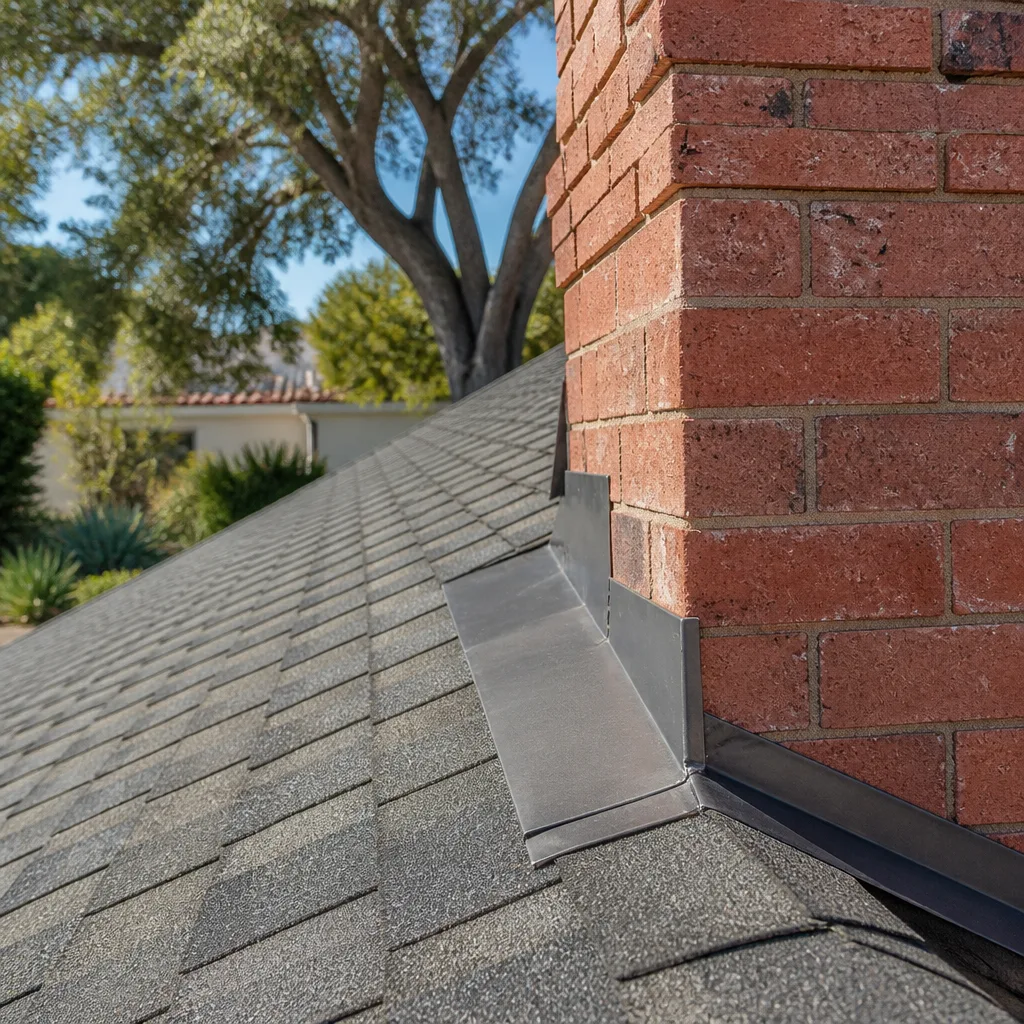
- Ice and water shield. In the valley and along the eaves and penetrations, a waterproof membrane under the underlayment protects the most leak-prone areas. A bid that names it is managing water at the details. A bid that leaves it out is counting on the top layer alone.
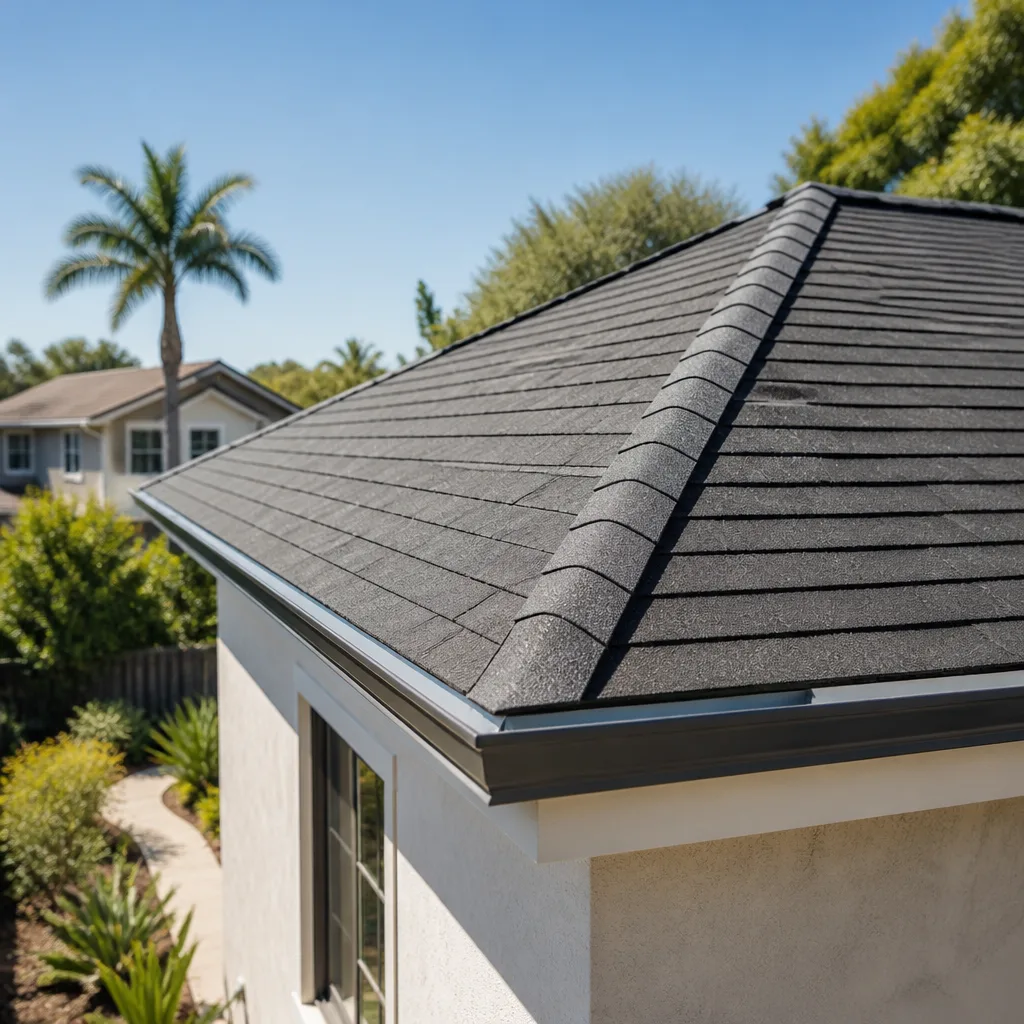
- Ridge cap. A dedicated ridge cap is a manufactured product that vents and finishes the ridge correctly. “We’ll cap the ridge with cut shingles” is a shortcut that shortens the ridge’s life and can compromise the warranty tier.
- Underlayment. The grade and type of underlayment under the field material matters as much as the shingle. Ask what’s being specified.
- Ventilation. Intake and exhaust ventilation line items tell you the builder is thinking about attic heat, not just the surface.
- Deck repair allowance. A stated allowance per sheet of sheathing is honest; “if needed” with no number is not.
- Permit and dumpster. A legitimate bid includes permit and disposal. Their absence often means the work will be done without a permit or the debris will be handled informally.
When you compare bids, compare line items, not totals. A lower total with no starter strip, no ice and water shield, and no ventilation plan isn’t cheaper – it’s a smaller scope that shifts risk to you. That’s exactly the kind of comparison we’re happy to walk through in our free estimate.
Permits, Insurance, and the Paper Trail That Protects You
A roof replacement in this part of Sacramento County generally requires a building permit, and the permit is not paperwork for its own sake. It triggers an inspection, and the inspection is your independent confirmation that the work was done to standard. A permit also leaves a record of what was installed and when, which matters when you sell the home. Most cities handle permits through their building department, so confirm the requirement and the process directly with Sacramento County before work starts.
The insurance angle is the part homeowners underestimate. If your roof is replaced without a permit and without a record, and later a leak, water intrusion, or storm damage comes up, an insurer can question whether the roof was installed to code and whether the coverage applies as you expected. A permitted, inspected, and documented replacement protects the claim path as much as the house. The same documentation matters for the manufacturer warranty: certification and registration usually depend on the installation meeting the manufacturer’s spec, and the permit and inspection are part of that proof trail.
The paper trail you should expect from any legitimate job:
- A written, line-item estimate with the permit and disposal included.
- A permit pulled in the property owner’s name, with inspection scheduled.
- A manufacturer’s product and installation warranty registration for the specific product line.
- Documentation of the deck condition and any repairs made.
- A written workmanship warranty from the installer, separate from the manufacturer’s coverage.
If a bidder offers to “skip the permit and save you the hassle,” that’s a red flag worth taking seriously. The hassle is the protection. We pull permits and pass inspections as a standard part of every replacement and new installation, because the record protects you long after the roof is up.
Qualifying the Contractor Before You Sign
The last step is the one that ties every upstream decision together. A contractor qualified to install your specific material category and product line – and able to show it – is the difference between a roof registered at its manufacturer warranty tier and a roof that’s just a good-looking install with no backing. This isn’t about flashing credentials; it’s about matching the qualification to the job.
What to check before you sign:
- Material category qualification. A shingle specialist isn’t automatically qualified for tile structure or metal flashing detail. Ask what they install and confirm the specific category you’re choosing. Our technicians have up to 8 years of experience across shingle, tile, and metal.
- Manufacturer alignment. For certified warranty tiers, the installer has to be aligned with the manufacturer. Ask which brands the contractor is authorized to install and which warranty tiers that unlocks.
- License and insurance. The local pro should be licensed and insured as their state requires. Confirm the license, the insurance, and the entity behind it.
- Line-item bid. A bid you can read is a bid you can trust. See the section above for what belongs in it.
- Permits and inspections. A contractor who pulls permits and schedules inspections as standard is one who expects to be checked.
- Workmanship warranty. The manufacturer’s product warranty and the installer’s workmanship warranty are separate. Get both in writing.
- Single-accountability across materials. If your project touches shingle, tile, or metal details, one contractor who owns the whole job beats coordinating between separate specialists, especially when something needs to be corrected later.
Our approach is to install what the home and structure actually call for – one contractor across shingle, tile, and metal, with a brand roster that lets the recommendation follow your budget and load rather than a single stocked line. That’s the whole point of the sequence this guide describes.
Common Mistakes to Avoid
- Choosing the shingle before the deck is inspected. The material decision should follow what the tear-off reveals. Pick a product first and you may be locked into a system your deck or structure can’t support without costly reinforcement.
- Accepting an overlay to save money. Overlays hide deck damage and trap moisture under the old layer. In Citrus Heights homes from the 1970s-1990s, that hidden damage often surfaces later at double the cost.
- Comparing bids by total price only. A lower total with no starter strip, no ice and water shield, and no ventilation plan isn’t a bargain; it’s a smaller scope that shifts risk to you. Compare line items.
- Skipping the permit. Work done without a permit and inspection can complicate a homeowner’s insurance claim and undermine the manufacturer warranty registration. The record is protection.
- Ignoring ventilation in a hot climate. Sacramento Valley heat cycles punish an under-ventilated attic. Ventilation isn’t an add-on here; it’s a condition for material performance and warranty tier.
- Not confirming warranty transferability. If you plan to sell, the transferable limited lifetime coverage some manufacturers offer is real long-term value. Ask about it before you choose a line.
- Letting one contractor handle shingle and another handle metal details. Split accountability turns any correction into a negotiation between two parties. One contractor across materials keeps it simple.
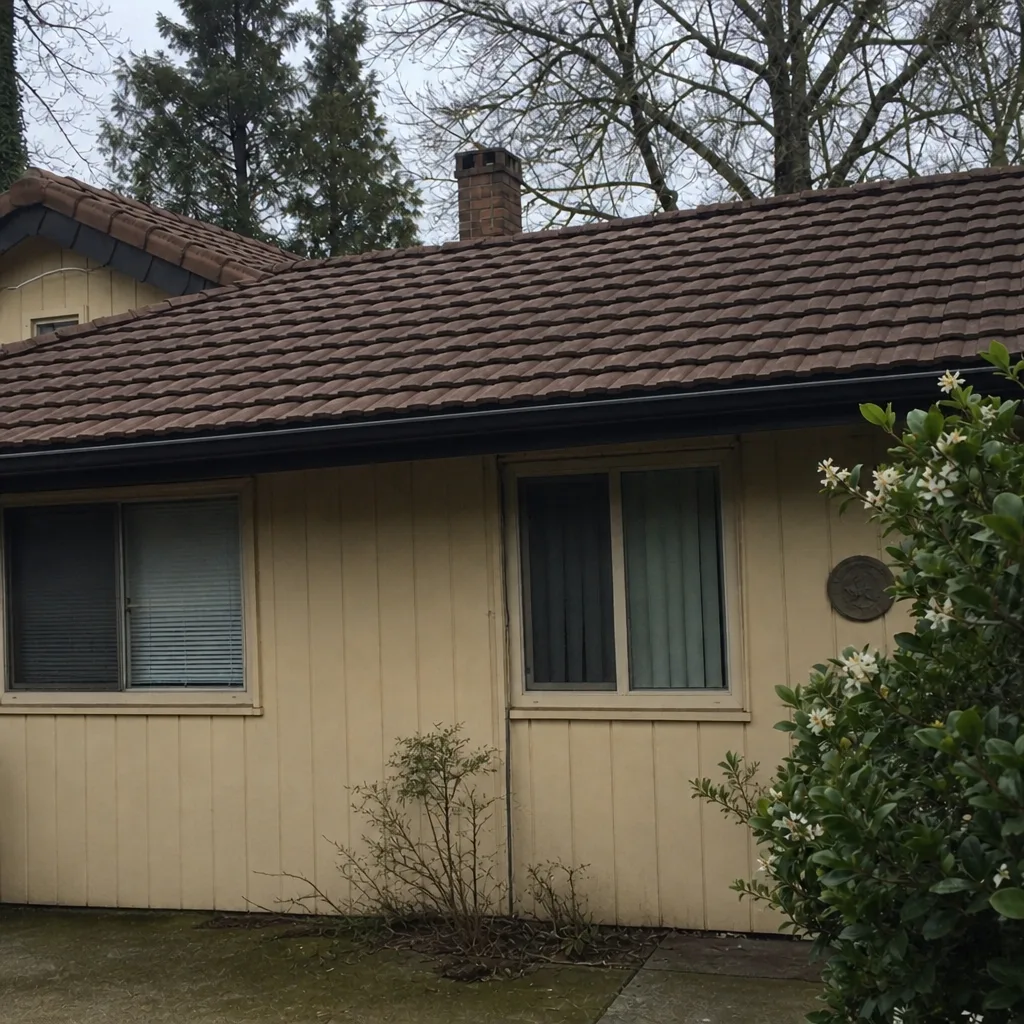
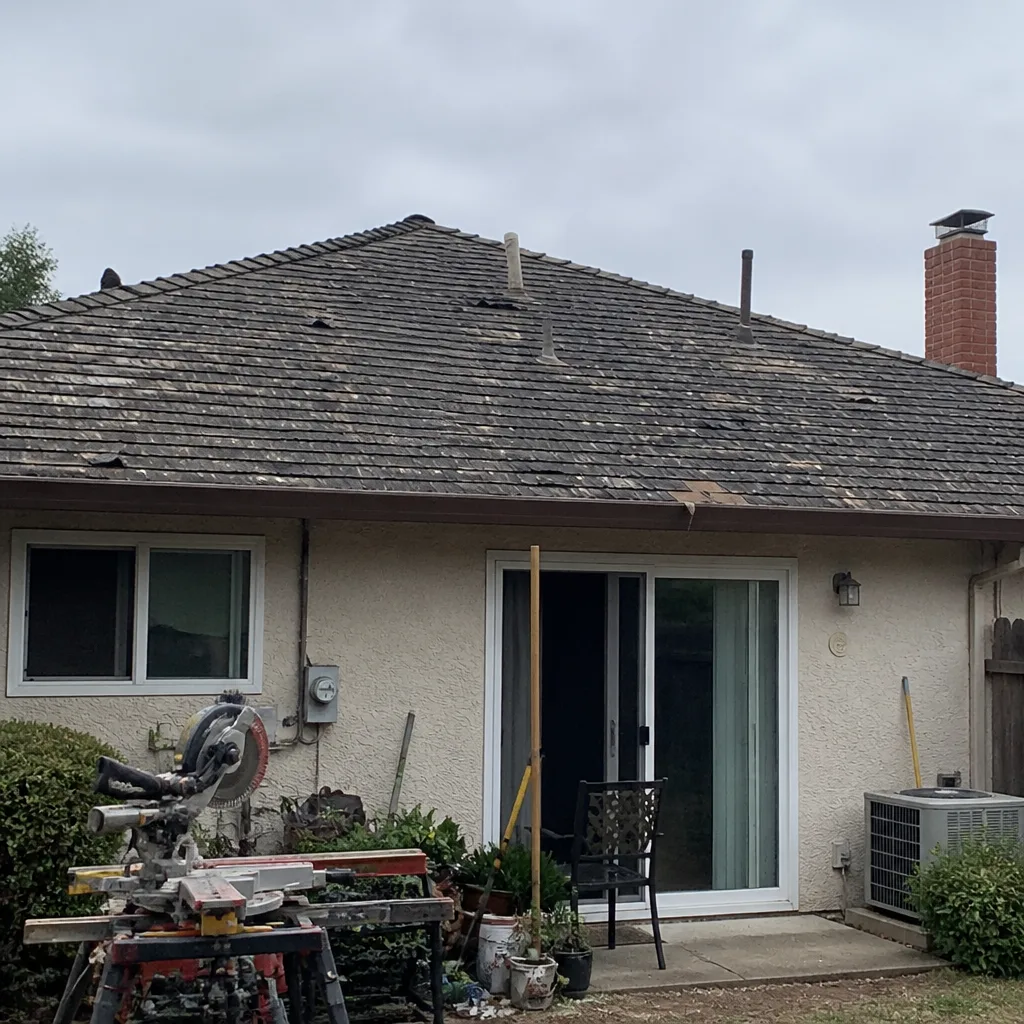
See the difference
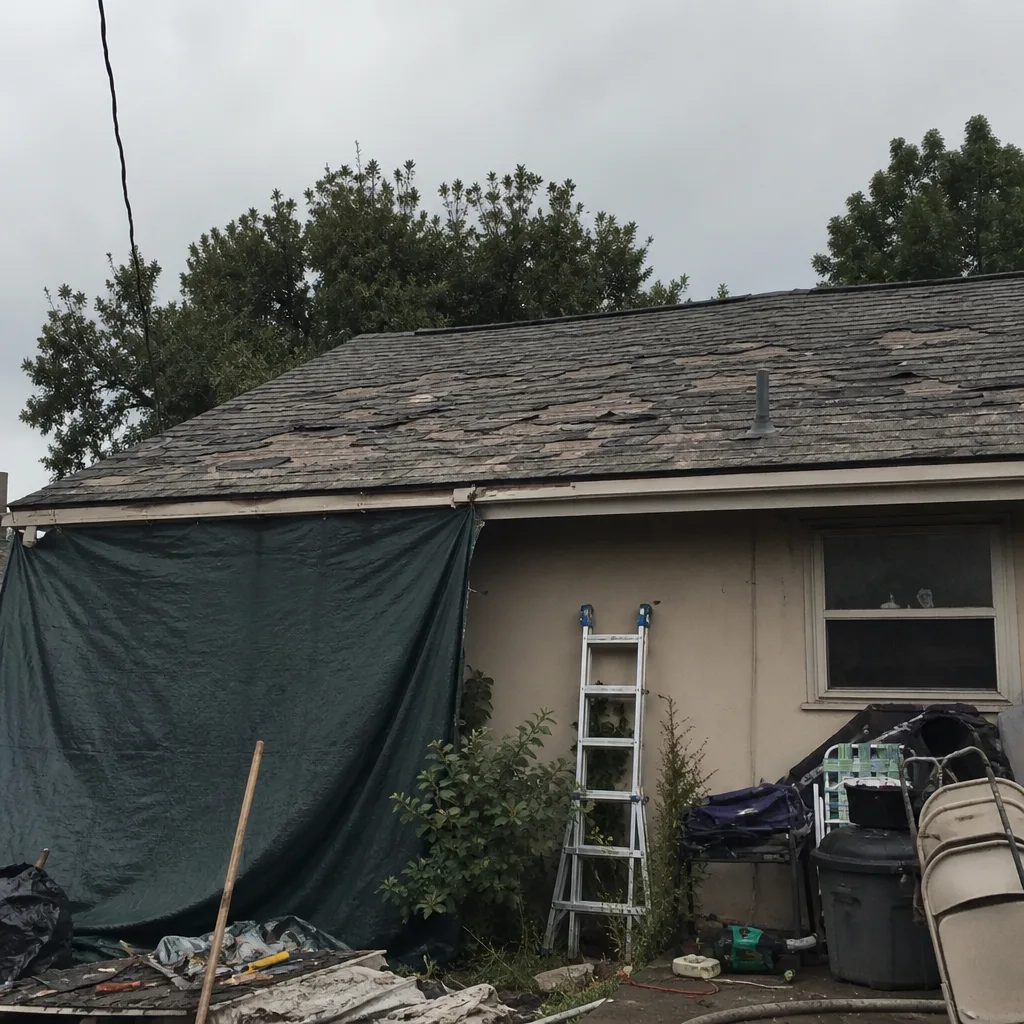 Before
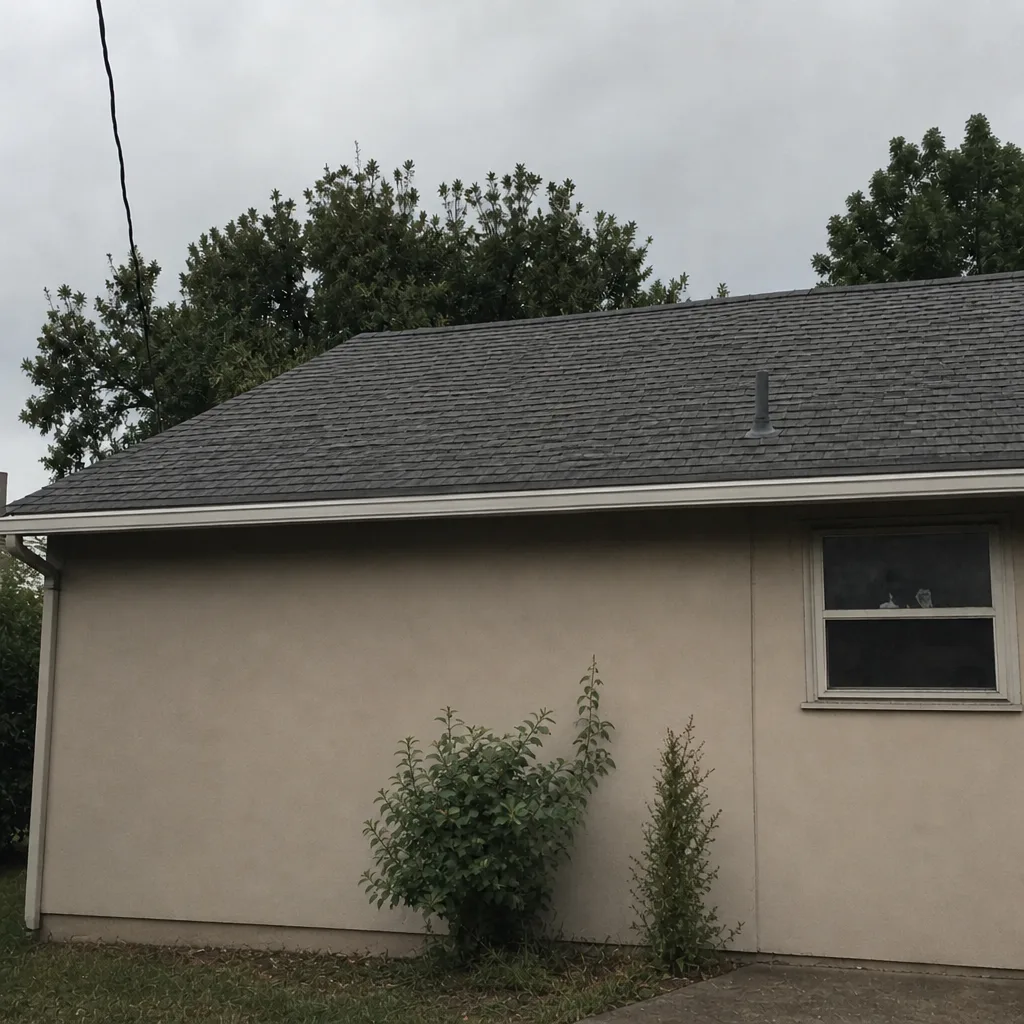 After
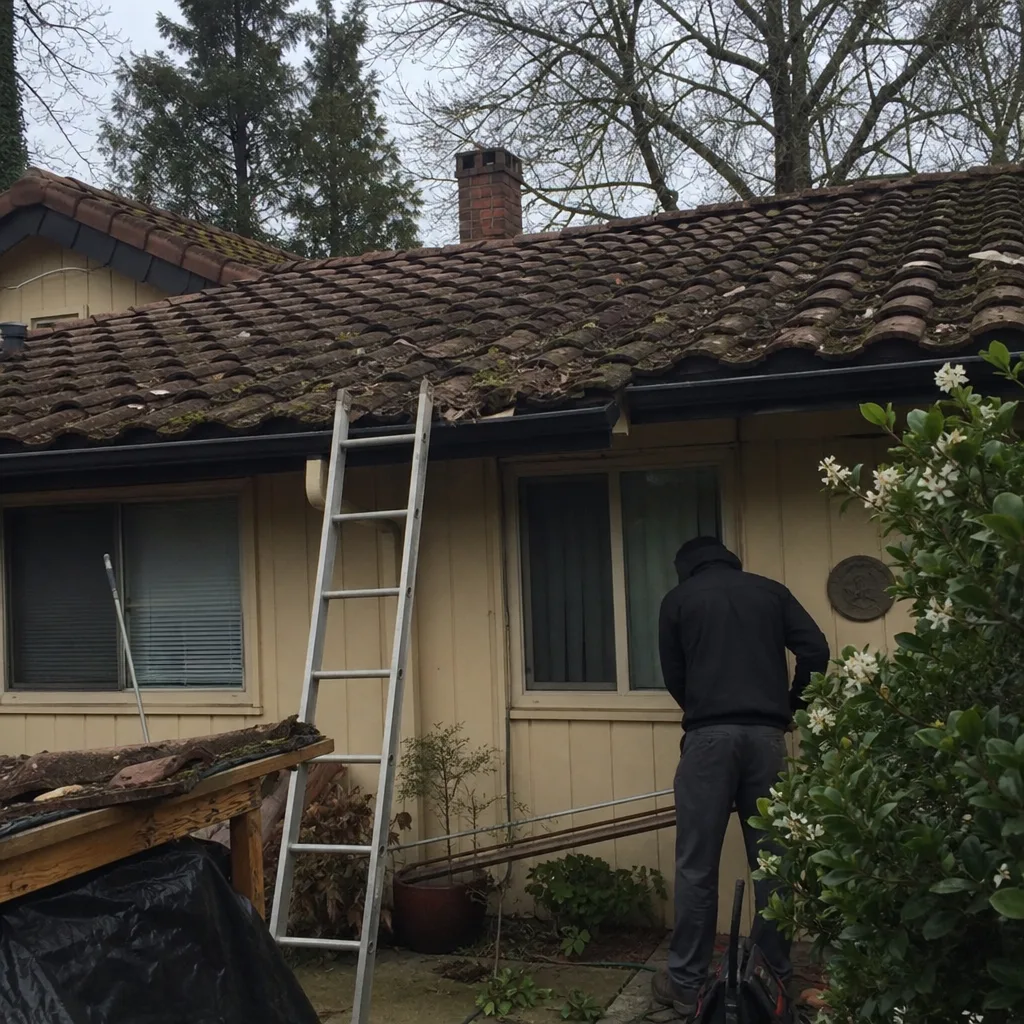 Before
 After
 Before
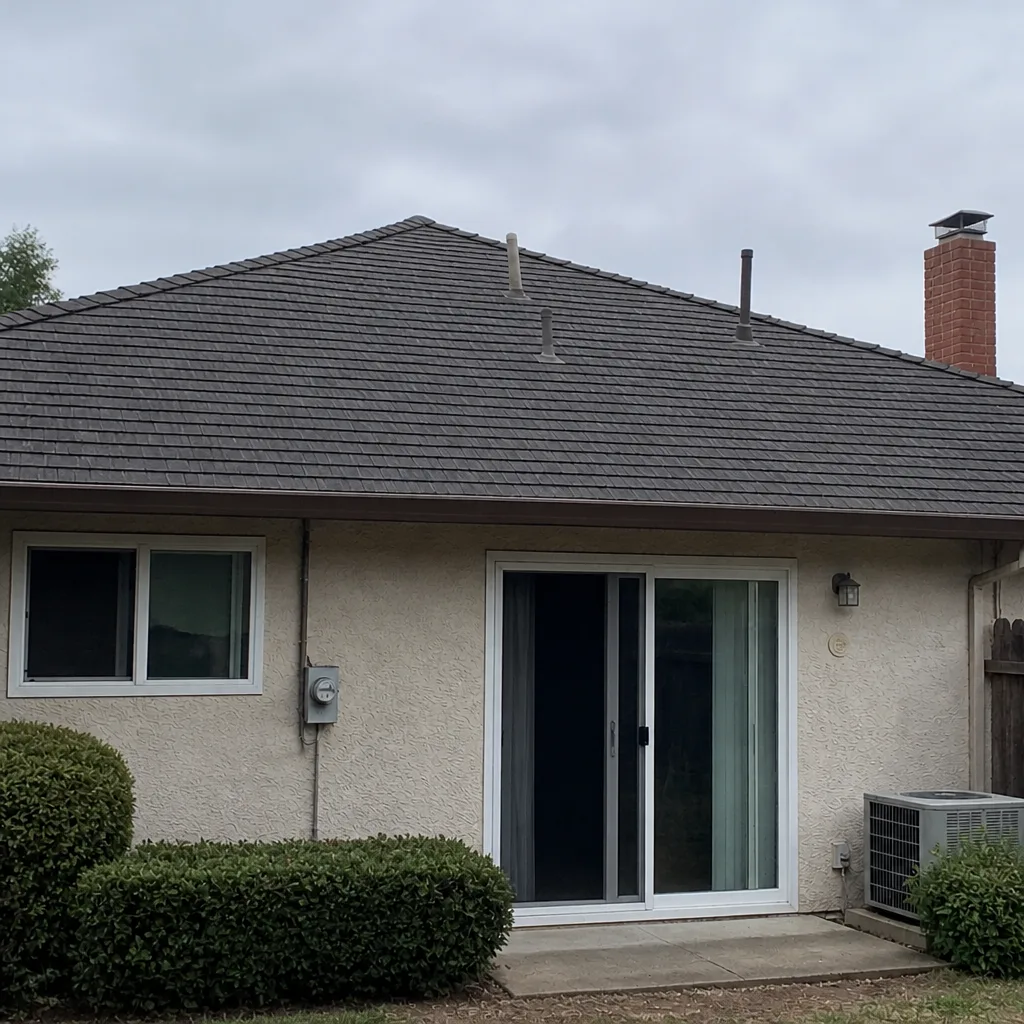 After
When to Call a Professional
Some things are fine to check yourself – looking at the roof from the ground, noting staining or missing shingles, checking the attic for daylight or staining on the underside of the deck. Others genuinely call for a trained professional. Anything that involves getting on the roof, especially at height or on an older roof with unknown deck condition, is a safety issue: a fall from a residential roof can be serious, and the deck you can’t see may not hold. Ventilation and structure assessment, deck evaluation, flashing and penetration detail, and anything to do with the electrical service or gas lines feeding rooftop equipment should be handled by someone qualified. Do the visual walkaround from the ground, then get a professional on the roof to assess the deck, ventilation, and material fit. Citrus Heights Roofing Co offers free estimates in Citrus Heights – call (279) 321-0356. We answer 24/7. Fast dispatch from 7am to 7pm.
Frequently Asked Questions
Roof replacement in Citrus Heights is priced per job by a written, line-item estimate, and the biggest drivers are the material category, the deck condition a tear-off reveals, and the manufacturer product tier you choose. An architectural shingle replacement and a tile or metal installation fall at very different points in the range, and a bid that includes deck repair will read differently from one that doesn’t. For an exact quote on your specific roof, call (279) 321-0356 – estimates are free, and we’ll show you the line items.
It depends on your structure, exposure, and budget, and the choice should come after the deck assessment. Shingle offers the widest range of price tiers and lighter weight, tile delivers long service life and strong heat performance but needs structure evaluated for its weight, and metal gives excellent reflectivity and longevity but is detail-sensitive at fasteners and flashings. We’ll walk you through the three categories honestly. Call (279) 321-0356 to talk through your options.
A tear-off costs more because it strips the old roofing to the deck and reveals its actual condition, which is the only way to know whether repair work is needed. An overlay installs new roofing over the old layer and hides deck damage and moisture. In Citrus Heights homes from the 1970s-1990s build era, hidden deck repair often shows up later at greater expense. A full tear-off with a clear deck-repair allowance is the honest estimate. Call (279) 321-0356 for an exact quote.
Most cities require a permit for a roof replacement, and in this part of Sacramento County you should confirm the requirement and process directly with the county’s building department before work starts. The permit triggers an inspection, which is independent confirmation the work was done to standard, and it creates a record that protects you at resale and when filing an insurance claim. We pull permits and pass inspections as standard. Call (279) 321-0356 to start with a free estimate.
They tell you whether the contractor is building to the manufacturer’s method rather than covering the roof. A proper starter strip seals the eave, an ice and water shield protects the leak-prone valleys, eaves, and penetrations, and a dedicated ridge cap vents and finishes the ridge. A bid that names all three is a bid that expects to be checked and is working toward the higher warranty tiers. A bid that omits them is a smaller scope. Call (279) 321-0356 and we’ll walk through the line items with you.
Manufacturer warranties are product-and-installation programs, and the tier that applies is set by the specific product line and by whether the install meets the manufacturer’s specification, including ventilation and flashing. Some manufacturers offer transferable limited lifetime shingle warranties, which add long-term value if you sell. The coverage comes from the manufacturer’s program, not from us. Ask for the exact product line and warranty tier in writing. Call (279) 321-0356 for a free estimate that spells it out.
The Bottom Line
A Citrus Heights roof replacement is a sequence, not a purchase. The deck has to be assessed, the material category chosen to fit the structure and the heat-and-moisture cycle, the manufacturer and product tier selected so the warranty registers, and the contractor qualified to install that specific system. Get the order right and each step reinforces the next. Get it wrong – choosing shingles before the deck is seen, taking an overlay to save money, comparing totals instead of line items – and the mistake compounds through the whole project. Know what you’re deciding before you sign, and the roof you get will be the one your home actually needs. Call (279) 321-0356 for a free estimate. We answer 24/7. Fast dispatch from 7am to 7pm.
Written by the team at Citrus Heights Roofing Co.