Last updated November 25, 2026
Free roof inspection with deck photos before we talk money - GAF and Owens Corning certified installation
How to Hire a Roofing Contractor in Citrus Heights: A Step-by-Step Guide
A contractor certified by only one manufacturer isn’t giving you an independent recommendation. They’re giving you inventory management advice dressed up as expertise. We see it constantly in Citrus Heights: homeowners call three roofers, collect three bids, and assume the differences are about price and workmanship. Often the real difference is narrower than that. Two of those three roofers will quote you the same material because that’s the only system they’re set up to install, and the third may not offer a genuine comparison either. This guide teaches you to audit a contractor’s product range and manufacturer certifications before you ever sit down for an estimate, so the bid comparison you do later is worth the time.
Quick Answer
To hire a roofing contractor in Citrus Heights, verify their California C-39 roofing license on the CSLB website, confirm which manufacturers certify them and at what tier, ask how many material types they install (asphalt shingle, tile, metal), and insist on a written contract that meets California’s home improvement rules. Do all of this before you compare prices, because a contractor limited to one brand or one material can’t bid your job honestly.
Styles & brands we work with
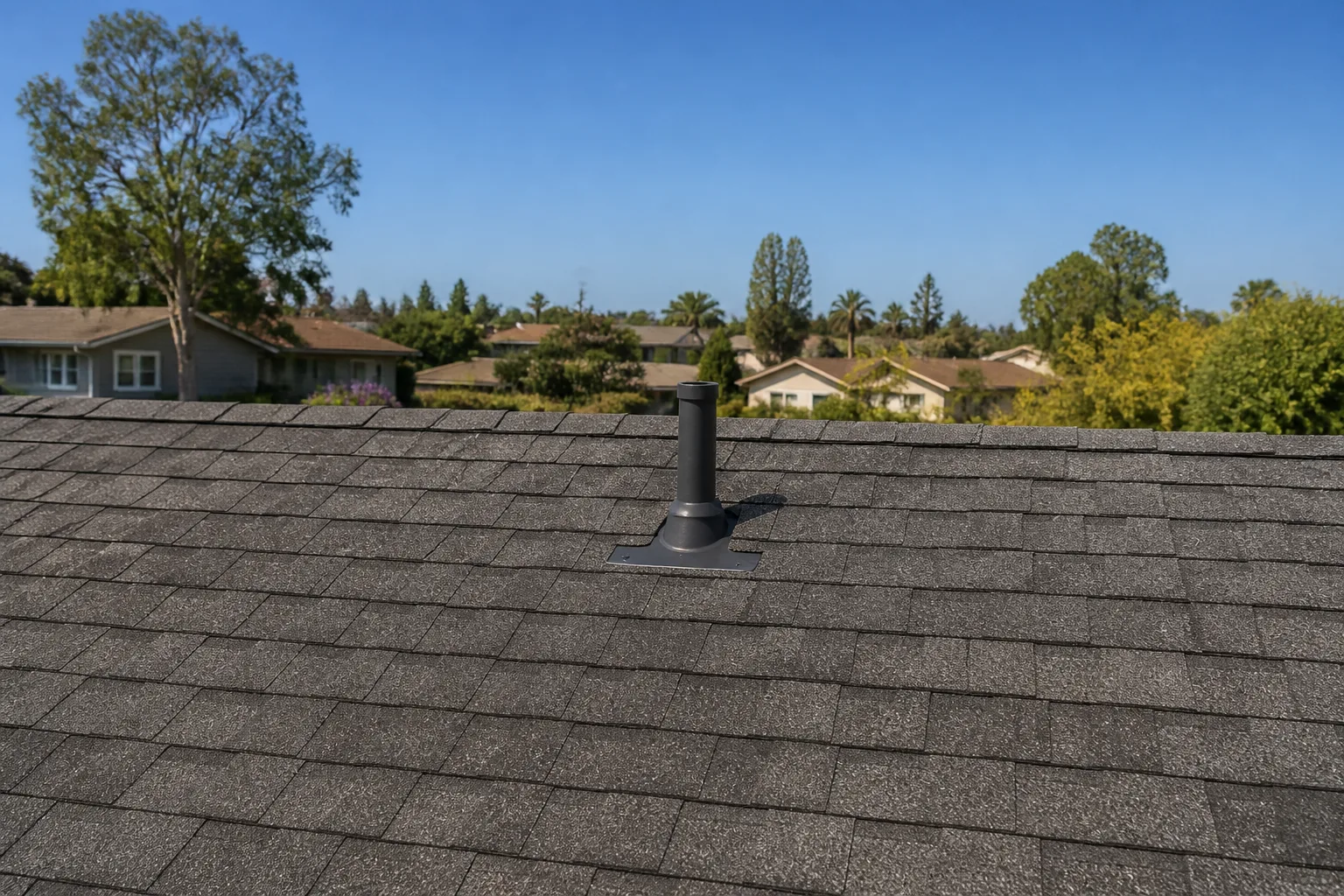
- Architectural shingles
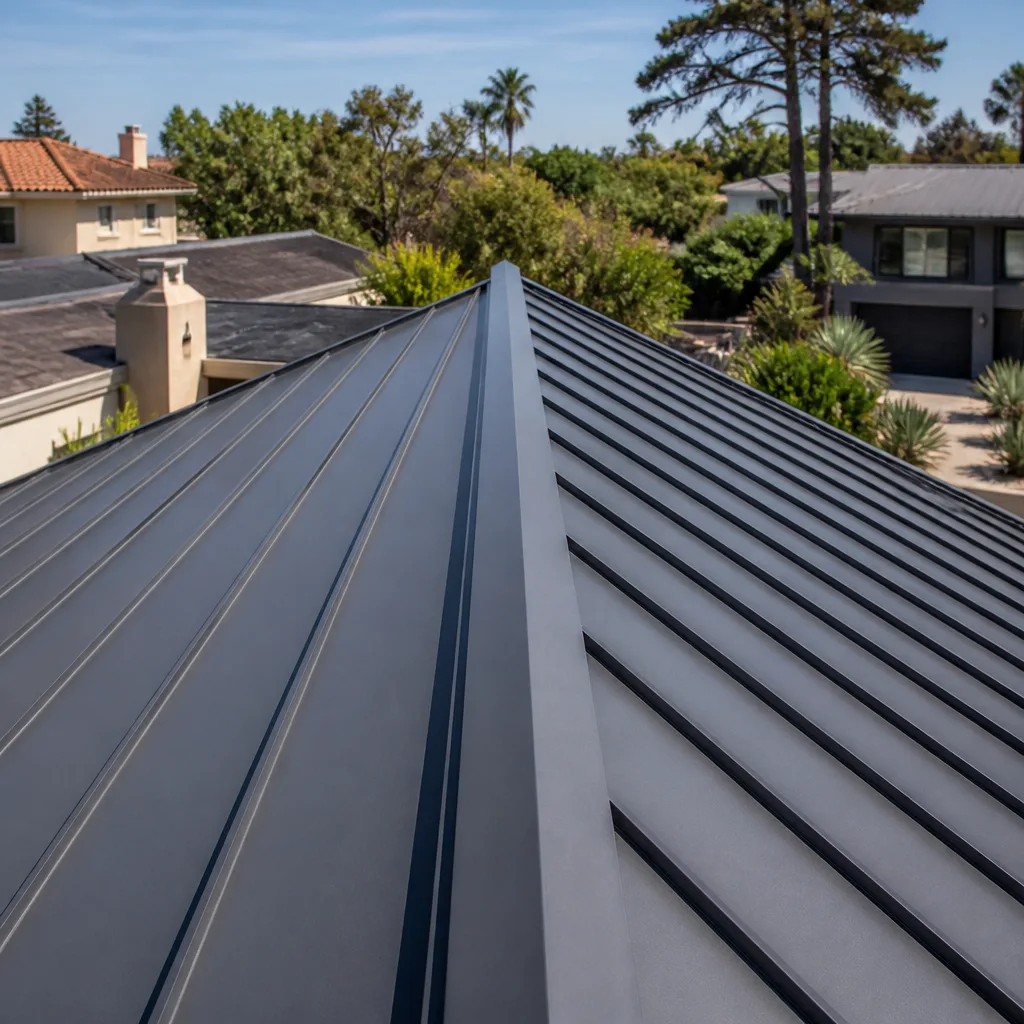
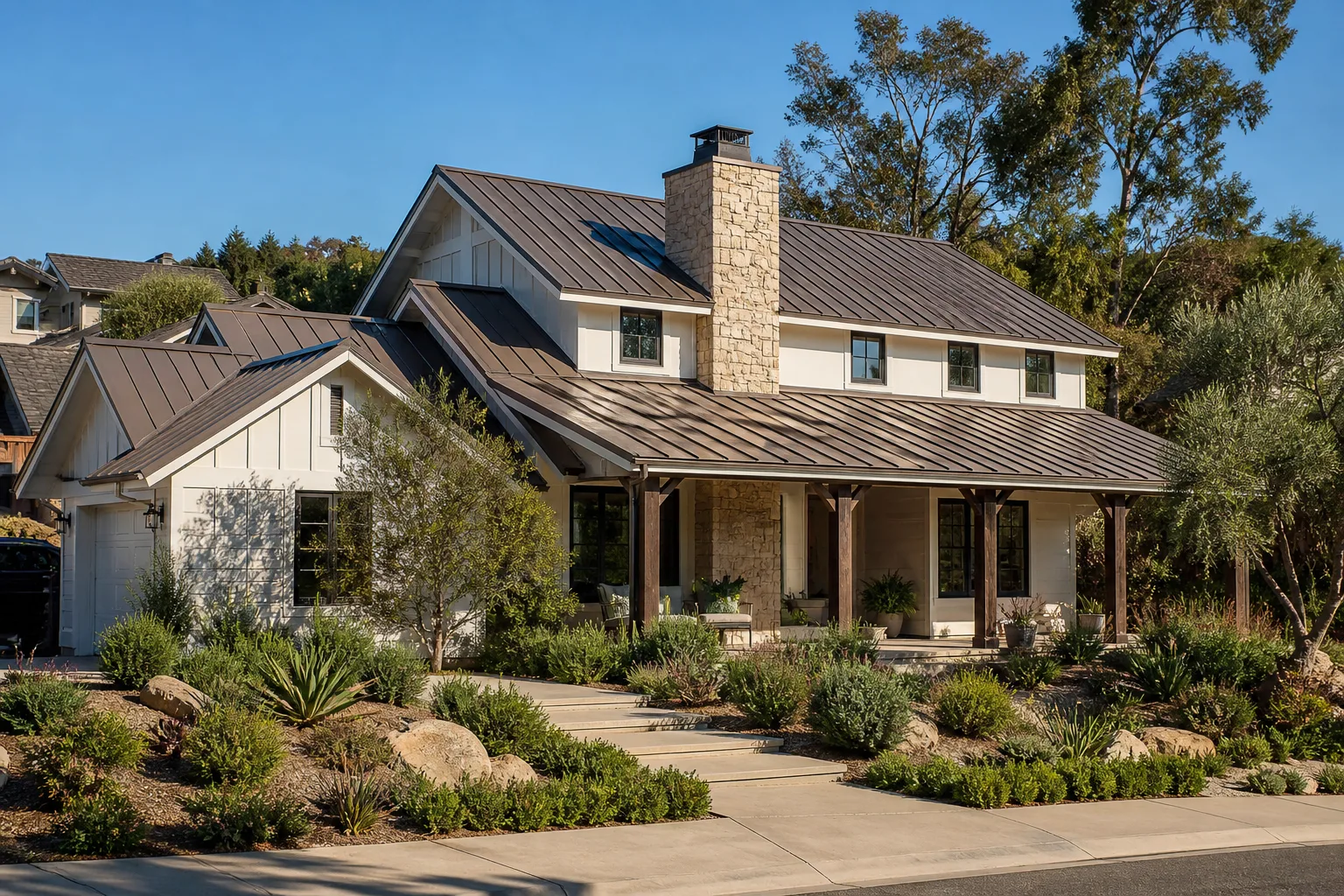
- Metal roofing
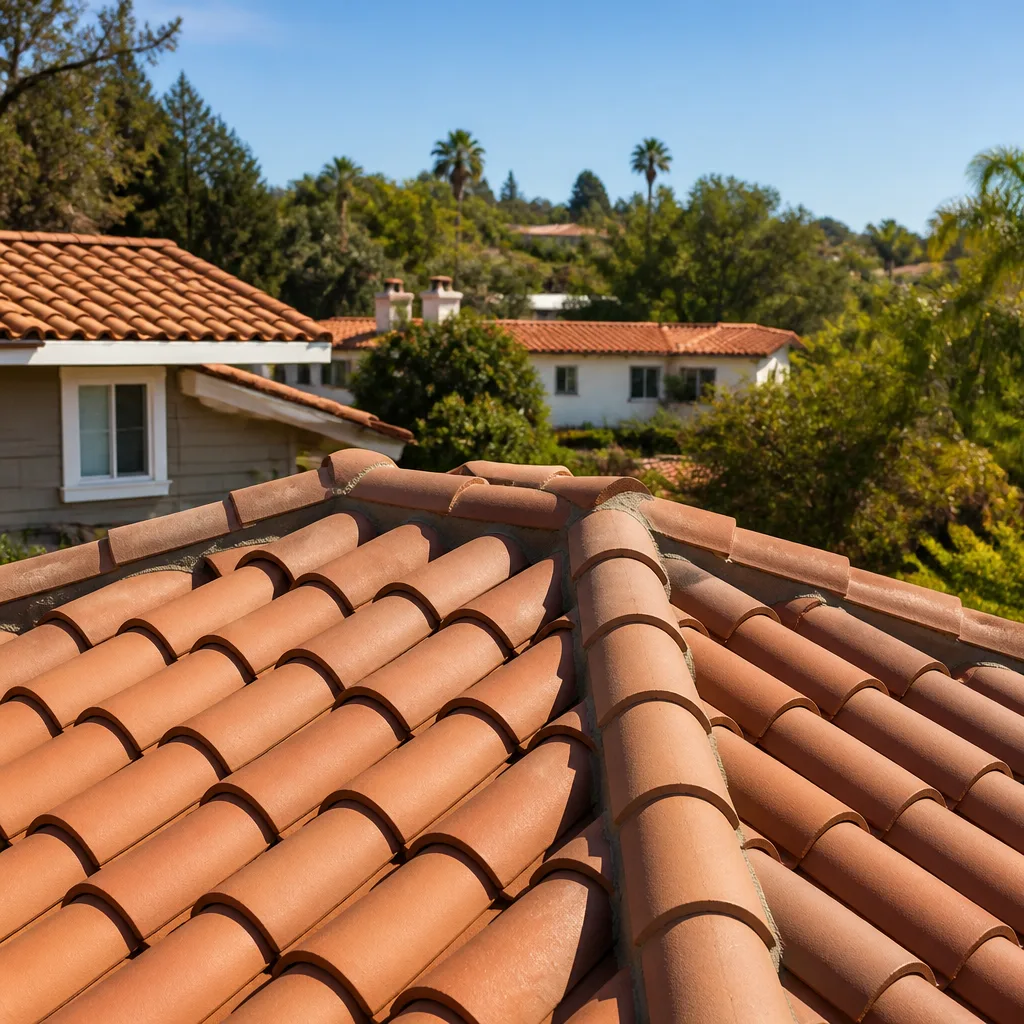
- Tile roofing
- GAF
- Owens Corning
- Flat & low-slope
Table of Contents
- Why the Single-Product Contractor Is the Real Risk
- Step 1: Verify the CSLB License Properly
- Step 2: Questions That Expose a Single-Brand Contractor
- Step 3: Understand Manufacturer Certification Tiers
- Step 4: Match Material to Your Home, Not Their Warehouse
- Step 5: What a Legitimate Roofing Contract Must Include
- Step 6: How to Compare Bids Across Different Materials
- Why Citrus Heights Roofs Fail Differently
Why the Single-Product Contractor Is the Real Risk
The cheapest bid isn’t the biggest threat on your roof. The bigger problem is the contractor whose entire recommendation set is limited before you’ve said a word about your home. If a roofer installs only one brand, or only asphalt shingle when your two-story home might do well with metal, the conversation isn’t a consultation. It’s a walkthrough that ends in the product they already planned to sell you.
This happens because stocking a single brand is easier. A contractor signs with one manufacturer, buys in bulk at a single price tier, learns one installation method cold, and repeats it on every roof. That’s not inherently dishonest work. But it means the recommendation you receive reflects their supply chain, not your structure, your exposure, or your budget.
Citrus Heights homes sit in a hot inland valley climate with intense summer sun and mild, wet winters. Roofs here take a specific kind of punishment: ultraviolet degradation on sun-facing slopes, thermal movement as afternoon temperatures climb, and seasonal rain that arrives in concentrated storms rather than spread evenly. Different materials handle that profile differently, and a homeowner who is only ever shown one option never gets to weigh the trade-offs.
What you want instead is a contractor with genuine breadth. Seven brands. Three materials. One contractor. Whether you’re choosing GAF Timberline or Owens Corning Duration, you should be hearing both and understanding the difference. Whether your home might suit concrete tile or standing seam metal better than architectural shingles should be a question on the table, not one the contractor quietly answers for you.
That’s the standard this guide holds up. Before price, before timeline, before anything else, you audit the range.
Step 1: Verify the CSLB License Properly
In California, any roofing job over a certain threshold requires a licensed contractor, and the license class that specifically covers roofing is C-39. Anyone installing roofing without that license – or with a general contractor’s B license and a subcontractor arrangement – needs scrutiny. The Contractors State License Board (CSLB) lets you check this for free on their website.
Most homeowners check the license and stop at the green checkmark. That’s a mistake, because the license record shows far more than pass or fail. Here’s what a proper CSLB lookup tells you:
- License status and expiration. “Active” is what you want. “Expired,” “suspended,” “cancelled,” or “revoked” are all red flags even if the contractor explains the reason.
- Classification code. Confirm C-39 specifically. A C-39 license means the holder is licensed for roofing. A B classification is a general building contractor, which can be legitimate but may mean roofing gets subcontracted.
- License history and disciplinary actions. The CSLB publishes past sanctions. A single old citation from years ago on a structural issue is less concerning than a pattern of complaints or a recent disciplinary action.
- Bond and insurance records. The CSLB lists whether a contractor’s bond is current. Don’t just see a bond exists; check that it hasn’t been cancelled or lapsed.
- Business name and address. Match this to the name on the estimate you receive. If a crew shows up whose name differs from the license, that’s a sign of a subcontractor chain you didn’t authorize.
Here’s the part homeowners miss: license history tells you about the contractor’s compliance pattern, not just their qualification. A clean record over many years suggests an organized operator. A spotty record – especially with “license suspended for failure to maintain bond” – suggests someone who may cut corners on the paperwork that protects you.
When you ask us about licensing, we’ll tell you the honest answer: we’re a roofing contractor connecting homeowners to licensed local professionals. The local pro is licensed and insured as their state requires. You should verify the same on anyone quoting your Citrus Heights roof.
Step 2: Questions That Expose a Single-Brand Contractor
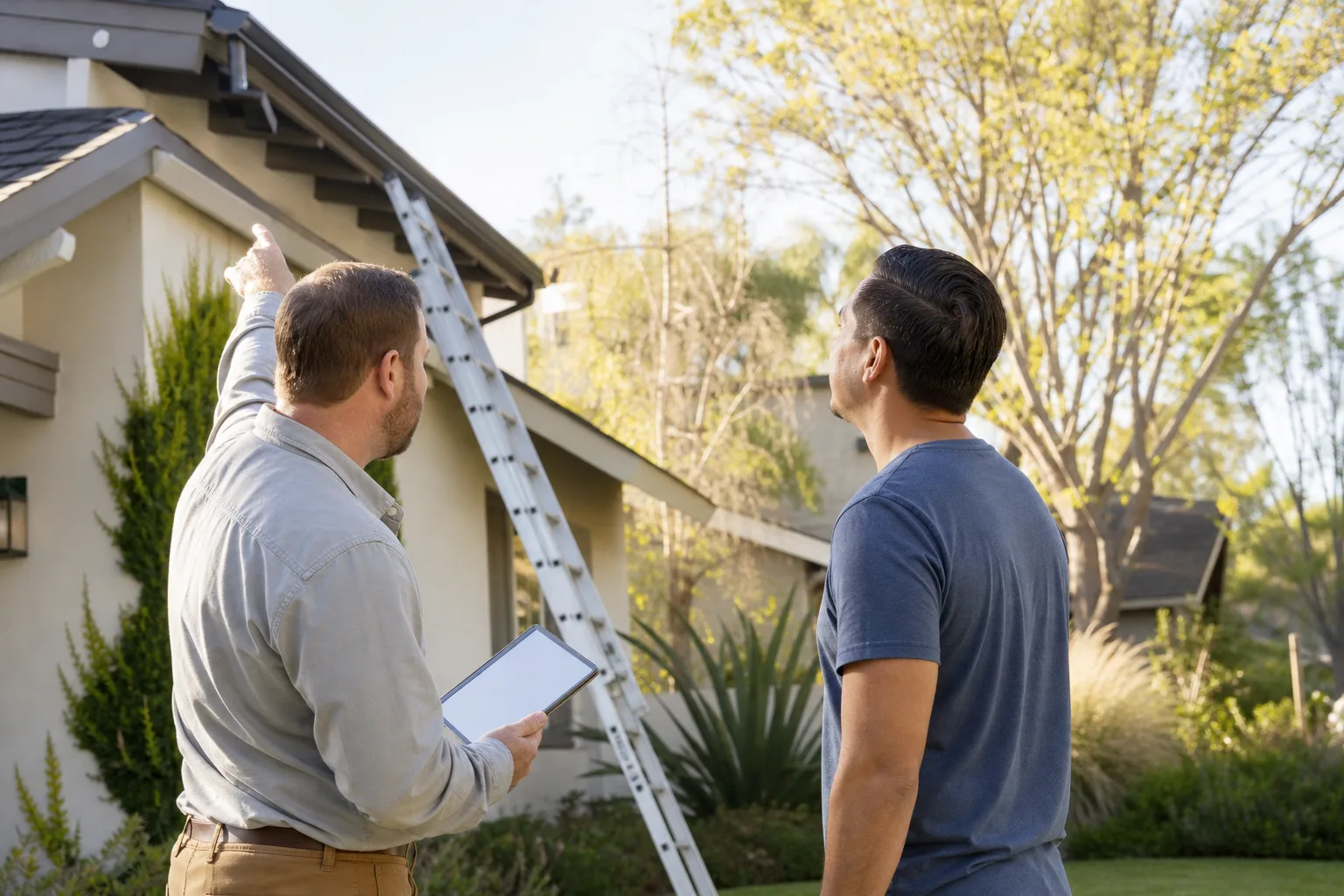
You don’t need to wait for the full estimate appointment to screen out a single-product contractor. A five-minute phone call or a few questions at the initial visit will tell you whether the person in front of you is offering a real range. Ask these before you invest time in measurements and material samples.
The questions that reveal range:
- “Which manufacturers are you certified to install?” The answer should be a list. If it’s one brand, you have your answer.
- “Do you install metal and tile as well as shingles?” This is the quickest material-range test. A shingle-only shop will usually deflect.
- “If my home turned out to suit metal better than shingle, could you quote that?” A good contractor will say yes and explain how they’d assess it. A single-product contractor will talk you out of metal.
- “What are the certification tiers for your brands?” See Step 3, but this question rattles a contractor who has only a basic installer registration.
- “What warranty does each brand offer, and is it transferable?” Single-brand contractors may not know the details because they never compare.
- “How do you choose between materials for a home?” Listen for load, climate exposure, budget, and slope. If the answer is “we use shingles on everything,” that’s the whole story.
Answers that should raise your eyebrows:
- “We’re certified for everything” – but can’t name the brands. This usually means a registration, not a real certification.
- “All the brands are basically the same.” They’re not. You’re interviewing someone who’s telling you not to bother comparing.
- “Metal is too expensive for Citrus Heights.” No contractor who installs metal would say that; pricing varies by profile and gauge.
- “We’ll figure out the material after you sign.” Material selection is a planning conversation, not a post-contract decision.
We install from seven brands – GAF, CertainTeed, Owens Corning, IKO, Atlas, Tamko, and Boral – across all three major residential materials. That matters because it’s the difference between being told what to buy and being shown what fits. When we walk a Citrus Heights homeowner through shingle versus tile versus metal, we’re doing it to compare, not to close.
Step 3: Understand Manufacturer Certification Tiers
Manufacturer certifications exist on a ladder, and the tier determines what happens when something goes wrong with your roof years down the line. A contractor who is a basic registered installer is not the same as one certified at the top level, and the warranties reflect that difference.
GAF runs a program called Master Elite, which requires licensing, insurance, and a track record; Master Elite contractors can offer the strongest GAF warranty options. Below that sits a Certified level, then a standard installer registration. CertainTeed uses tiers including SELECT ShingleMaster at the top. Owens Corning has Platinum Preferred and Preferred tiers. Each manufacturer’s tier names differ, but the underlying principle is the same: the higher the tier, the deeper the manufacturer-backed warranty depth. Some top-tier programs offer limited lifetime coverage on the shingles themselves, and many are transferable to a new owner if you sell the home.
Here’s the practical translation for a Citrus Heights homeowner:
- Ask which tier the contractor holds for each brand. Not just “are you certified” – which level.
- Ask whether that tier unlocks an extended warranty option. A top-tier installer can often register an enhanced warranty that a standard installer cannot.
- Ask if the warranty is transferable. A transferable limited lifetime warranty adds real value when you sell the home. Manufacturer-backed means the warranty lives with the manufacturer’s program, not with the contractor’s verbal promise.
- Confirm the warranty is in writing and separate from the contractor’s own workmanship warranty. Manufacturer warranty covers materials; workmanship warranty covers installation. You want both, and you want them in writing.
This is where multi-brand matters most. A contractor certified at a top tier with GAF and CertainTeed and Owens Corning can offer you the strongest warranty option each brand provides and show you the trade-offs. A single-brand contractor can’t. They’ll simply tell you their brand’s warranty is fine – which may be true, but it’s not a comparison.
Step 4: Match Material to Your Home, Not Their Warehouse
The three dominant residential roofing materials in Citrus Heights are asphalt shingle, tile, and metal. Each has a different cost, lifespan, weight, and appearance, and the right choice for your home depends on structural load, sun exposure, slope, and budget. You should be walked through that comparison, not steered past it.
Asphalt shingle. The most common residential roofing in the region. Architectural shingles offer a range of profiles and colors, relatively light weight, and easy repair. Lifespan and warranty depend heavily on the brand and the tier at which the shingles are installed. This is where GAF, CertainTeed, Owens Corning, IKO, Atlas, and Tamko all live, and where shingle roofing is most commonly the practical fit.
Tile. Concrete and clay tile are heavier, which means structural review before you commit. In return you get long service life and a look that suits many Citrus Heights homes. Boral manufactures tile profiles. Tile is not a material you should be quoted by a shingle-only contractor, and it’s not a material you should be talked out of without a structural reason.
Metal. Standing seam and metal panel offer long lifespan and a clean look. Metal is a larger investment up front, and the return depends on how long you’re planning to stay in the home. Not every roofing contractor installs metal because it requires different fastening and flashing methods. A contractor who can install all three materials doesn’t need to talk you into one.
The honest way to choose is to have the contractor look at the roof, explain what each material means for your specific house, and compare. “We’ll walk you through shingle versus tile versus metal so the choice makes sense for your home” is the sentence you should hear from a good contractor. If you don’t hear it, ask why.
One more point: the material conversation should precede any discussion of price. A contractor who shows you a low shingle number before you’ve discussed tile and metal is presenting a bid, not a comparison.
Step 5: What a Legitimate Roofing Contract Must Include
California has specific requirements for home improvement contracts, and a roofing replacement is squarely in that category. A legitimate roof replacement contract in Citrus Heights should include certain elements by law and should avoid certain clauses that signal trouble.
What a proper contract should contain:
- Contractor’s name, business address, license number, and classification.
- A clear description of the work, including what’s being removed and what’s being installed.
- The brand, product line, and color of materials – not just “shingles.”
- A breakdown of costs: materials, labor, permit fees if applicable, and disposal.
- The total price and a payment schedule that does not require more than a modest deposit up front. California limits the down payment on home improvement contracts.
- A start and completion estimate, and a description of any contingencies.
- A notice of the right to cancel within three business days – this is a statutory right for home improvement contracts, and a contractor who tries to remove it is signaling trouble.
- Workmanship warranty terms in writing, separate from manufacturer warranty.
Three clauses that should make you pause:
- A large upfront deposit. California caps the down payment on home improvement contracts, and any contract asking for a large percentage up front is either ignoring the law or setting you up for exposure if the contractor disappears.
- “Contractor is not responsible for leaks caused by existing conditions.” This kind of blanket disclaimer can swallow most of the warranty you thought you were getting.
- No written change-order process. Any contract that allows the contractor to add costs without a signed change order – “additional work as needed” – is a blank check. A written line-item quote and fixed price with change orders requiring your signature is the standard to insist on.
And on permits: a full roof replacement typically requires a permit from the city, and permits require inspection. Ask the contractor directly whether they pull permits and whether the job will be inspected. If the answer is vague, or if they offer to “skip the permit to save time,” walk away. The inspection is one of the few objective quality checks you get as a homeowner.
For a new roof installation on new construction, the contract structure is slightly different – the general contractor often coordinates the roofing scope – but the license and warranty questions stay the same. The roofer still needs C-39 licensing, and the material and warranty terms should be in writing in the subcontractor agreement.
Step 6: How to Compare Bids Across Different Materials
Here’s where most homeowners get stuck. You collect three bids, and they’re not directly comparable because the materials differ. One roofer quotes architectural shingles; another quotes tile; a third quotes metal. Comparing totals side by side is meaningless. The per-square math is the way through.
A “square” in roofing is 100 square feet of roof surface. Contractors often price by the square, then adjust for pitch, complexity, and material. Here’s the framework to compare across materials honestly:
- Ask each bidder for the estimated number of squares. The number should be roughly consistent across bids for the same roof. Wide divergence signals a measurement problem or an angle.
- Ask for the price per square for the quoted material. Now you have a common denominator.
- Ask for the same number for the alternate materials. A contractor who installs shingle, tile, and metal can quote all three. A single-material contractor cannot, which is itself a data point.
- Compare lifespan and warranty in years, not just dollars. Per-year cost is a fairer comparison than up-front cost. A metal roof that costs twice as much but lasts longer has a different per-year number.
- Factor in structural work. Tile and some metal roofs may require structural review or reinforcement. Ask whether the bid includes that, and if not, get a separate quote for it.
- Factor in transferable manufacturer warranties. A top-tier GAF, CertainTeed, or Owens Corning install may carry a limited lifetime warranty that transfers. That adds to the value calculation at sale.
Once each bid is normalized to price per square for a named material at a named tier, with structural work and permits accounted for, you can finally compare apples to apples. It’s more work. It’s also the only way to compare honestly when the materials differ, which in Citrus Heights they often will.
Why Citrus Heights Roofs Fail Differently
Citrus Heights sits in the Sacramento Valley, and the valley’s climate puts specific pressure on roofs that a coastal or mountain contractor’s habits may not address. Summers are hot and long; winter rain comes in concentrated events. Neither of those calls for the same material philosophy as, say, a wet coastal climate.
Three practical consequences for your hiring decision:
- Sun exposure drives material degradation. Roof planes facing south and west take the hardest ultraviolet hit. A contractor who knows this will inspect for sun-damaged slopes specifically and may recommend materials with strong UV performance or reflective qualities.
- Thermal movement is constant. Asphalt shingles expand and contract through the day. Installation quality – proper nailing, correct underlayment, adequate ventilation – matters as much as the shingle itself. That’s why asking about the manufacturer tier and the workmanship warranty together is the right move.
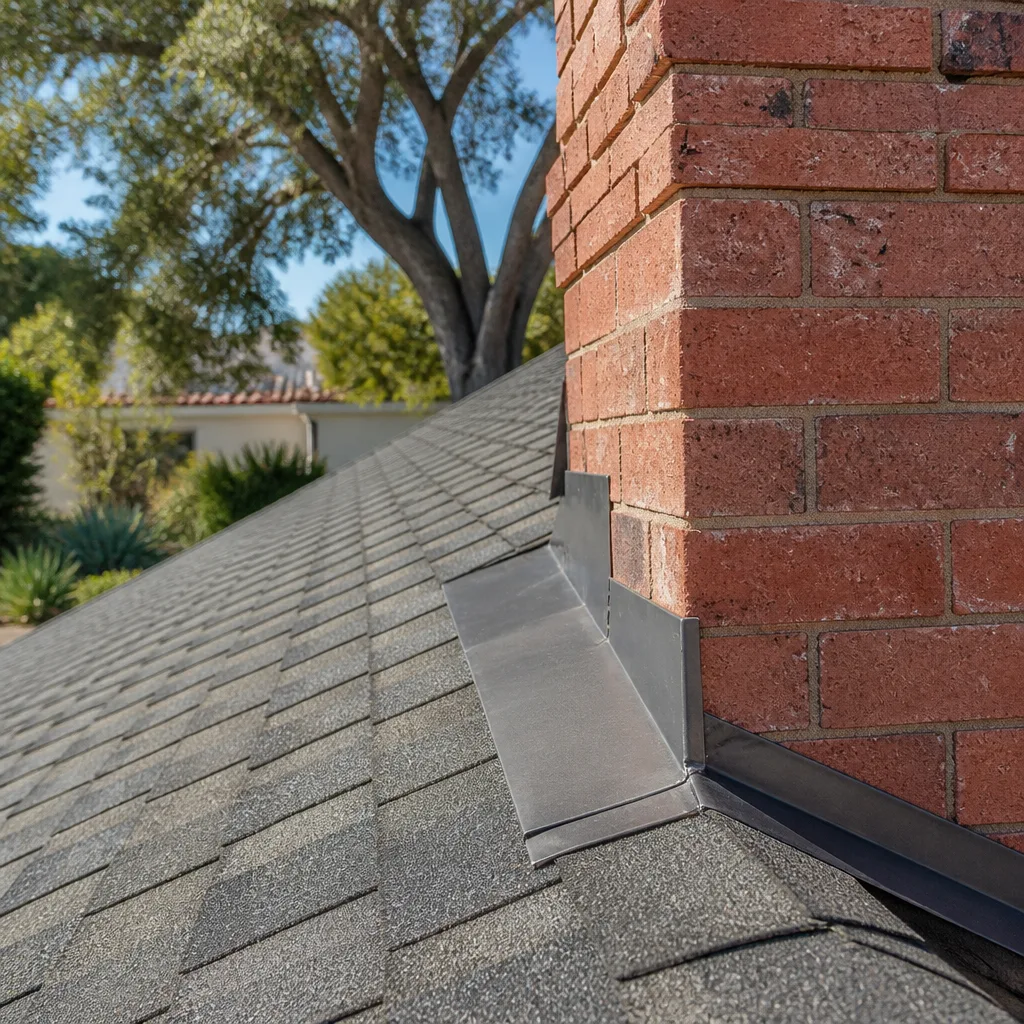
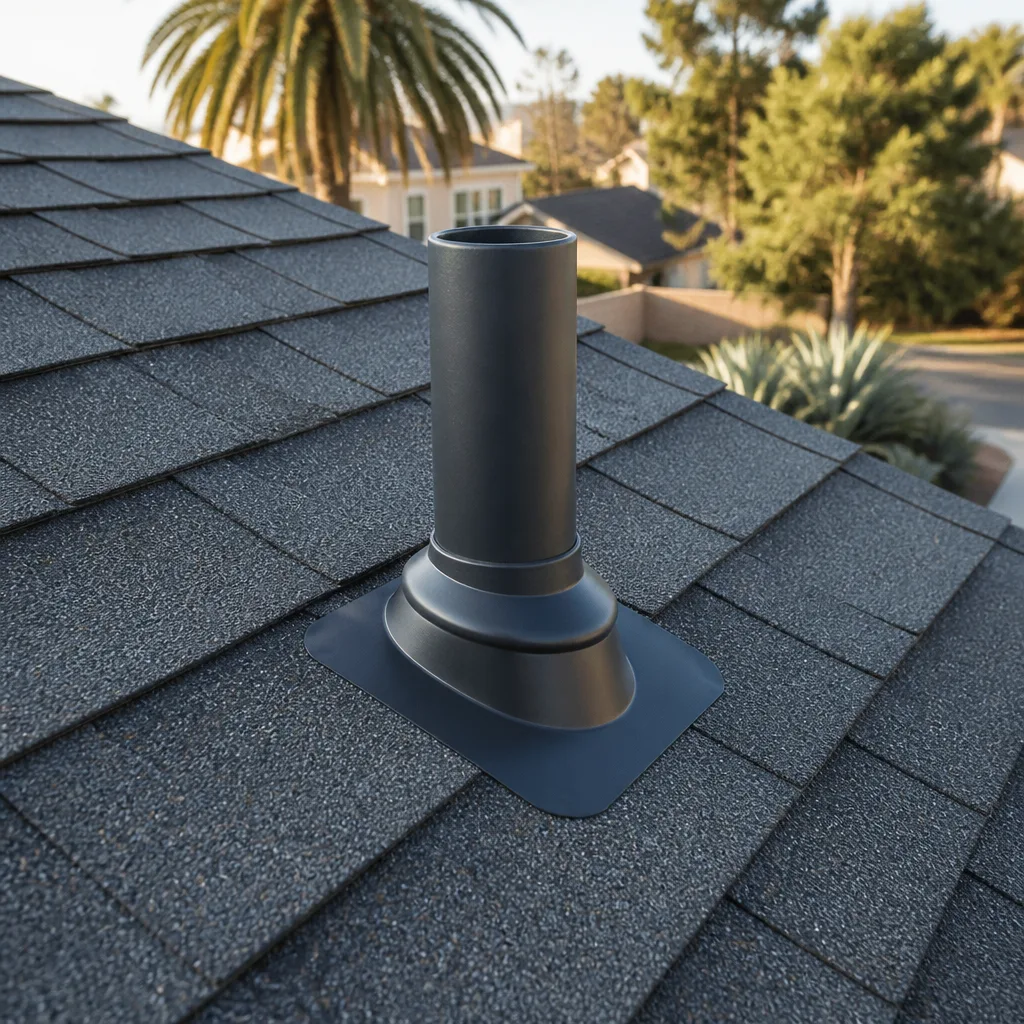
- Rain arrives in bursts. When it rains in Citrus Heights, it rains hard. Flashing details, valleys, and penetrations are where leaks start. A complete removal and replacement done right is a better bet than a layover over an unknown substrate.
These are general observations, not predictions about your roof. Every home is different, and the only way to know what yours needs is a proper inspection. But when a contractor’s material recommendation accounts for the valley climate specifically – not just “we use this everywhere” – that’s a good sign.
Common Mistakes to Avoid
- Comparing total prices without checking materials. A shingle bid and a tile bid are not the same job. Normalize to per-square before you compare.
- Selecting a roofer before checking the CSLB. A single phone call to the CSLB or a quick website lookup could save you from a costly mistake. Do it before you invite anyone onto your roof.
- Accepting a verbal material recommendation. Get the brand, product line, and tier in writing. “We use a quality shingle” is not a specification.
- Ignoring the certification tier. “We’re certified” isn’t enough. Master Elite versus a standard installer changes the warranty options you can access.
- Skipping the permit conversation. A Citrus Heights roofing job that skips the permit also skips the inspection. It’s one of your only quality checkpoints.
- Paying a large deposit up front. California limits the down payment for a reason. A contractor asking for more early is asking you to carry the risk.
- Assuming the cheapest bid is the most value. A lower up-front number with a weaker warranty, thinner material, or a single-brand limitation can cost more over the life of the roof.
See the difference
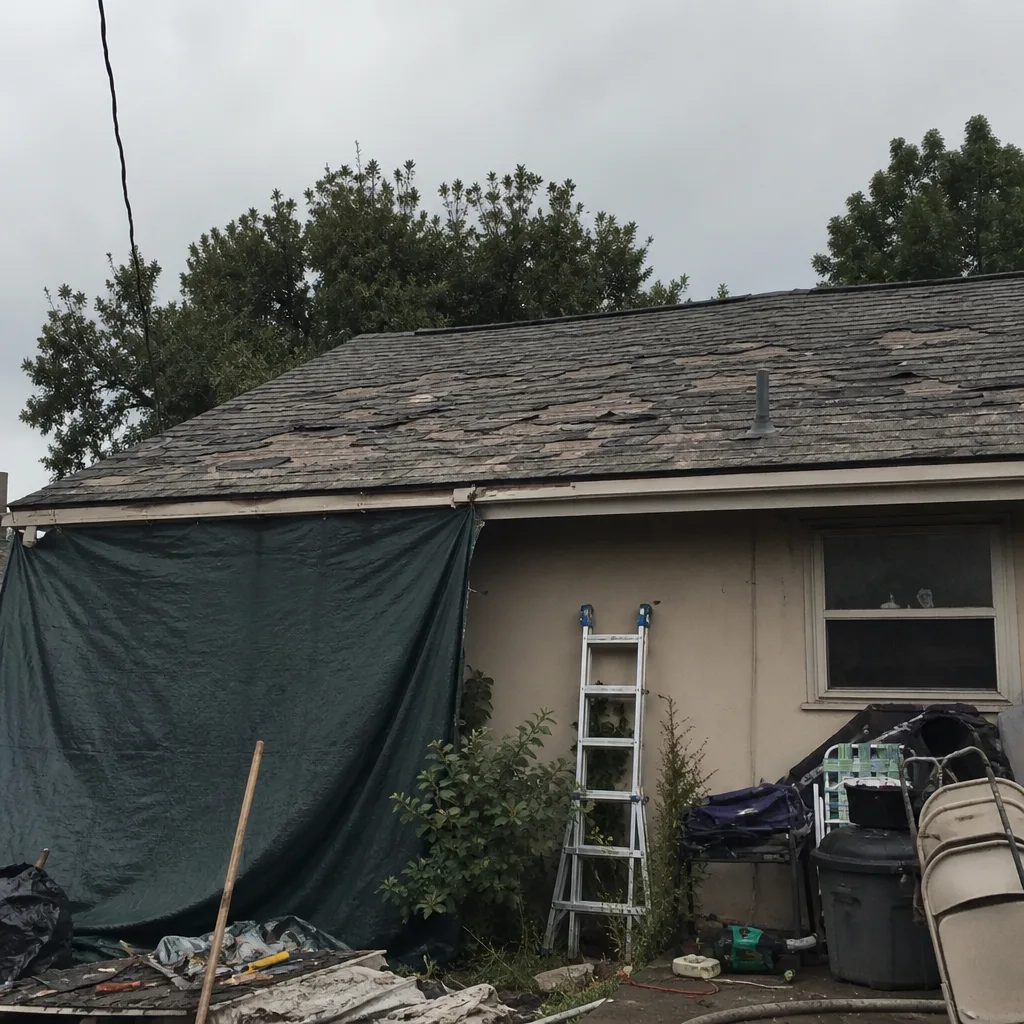 Before
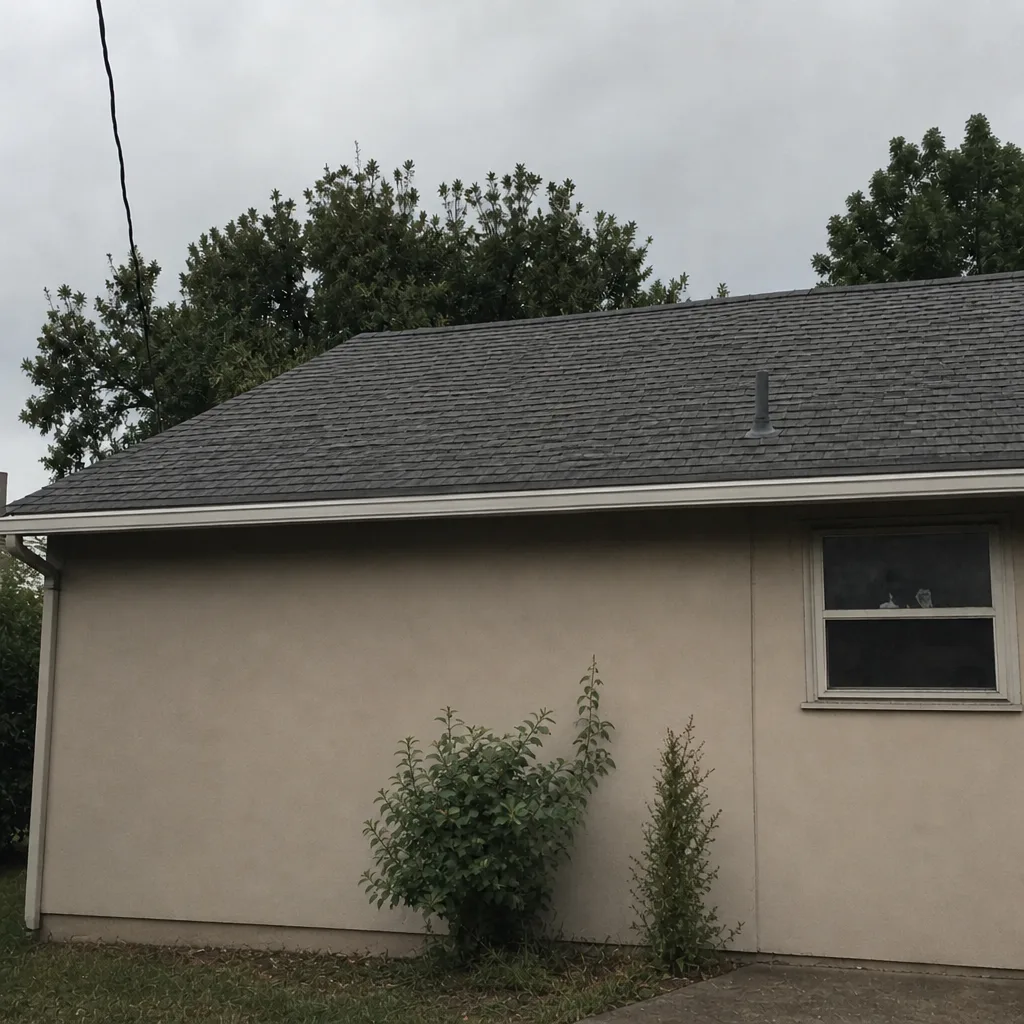 After
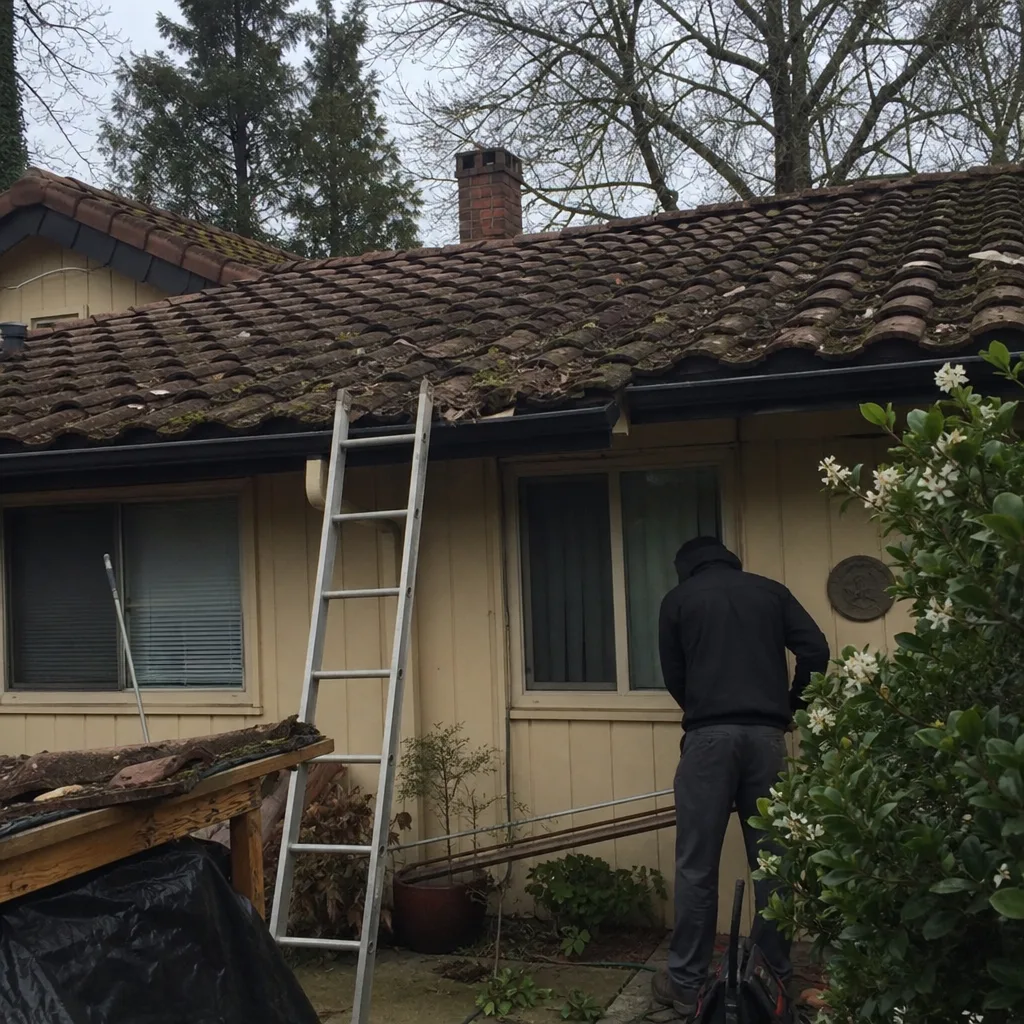 Before
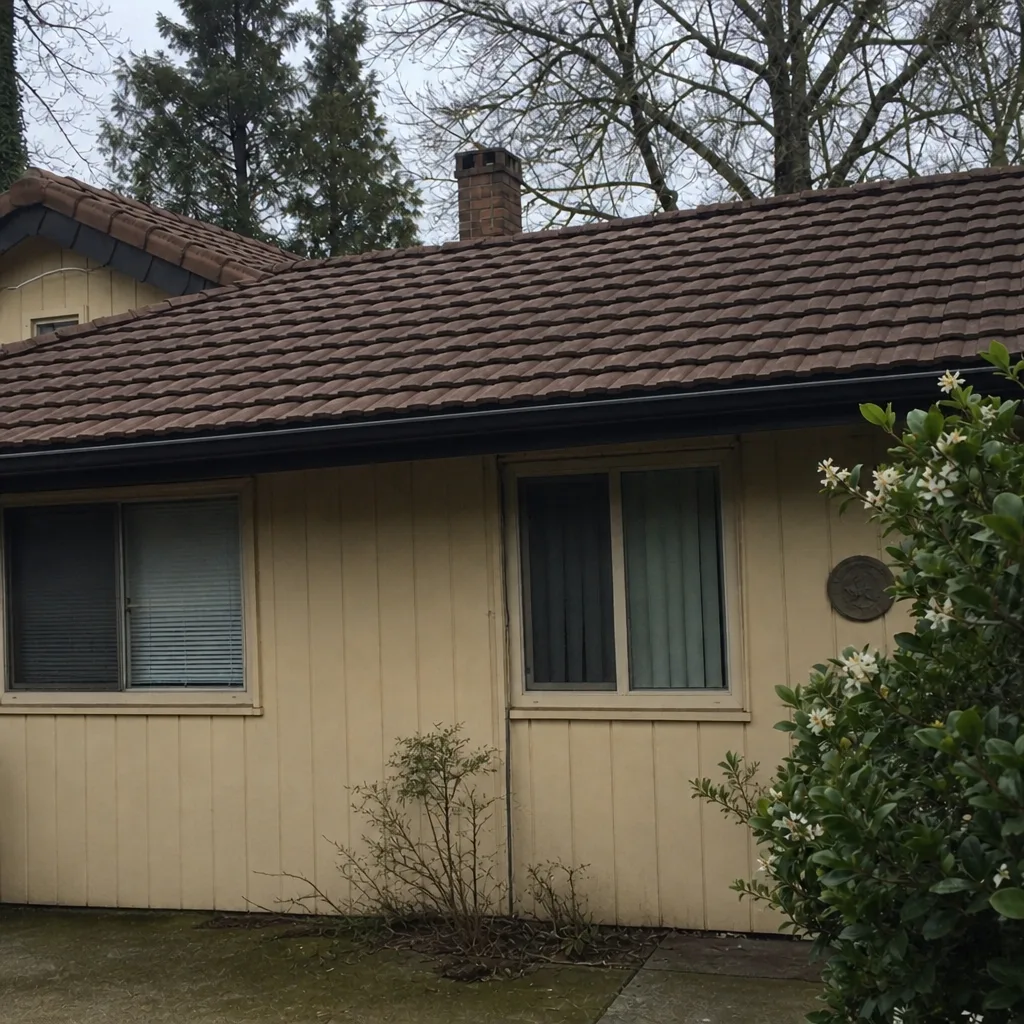 After
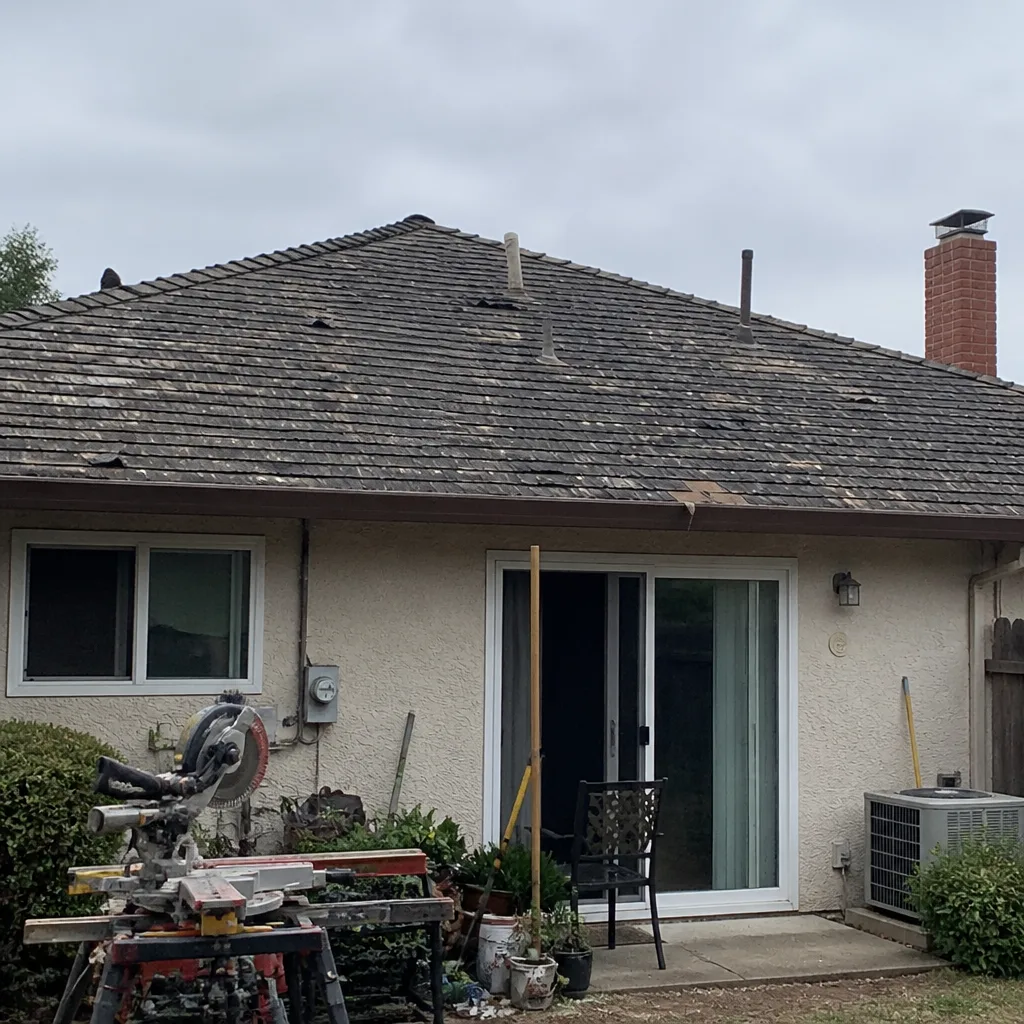 Before
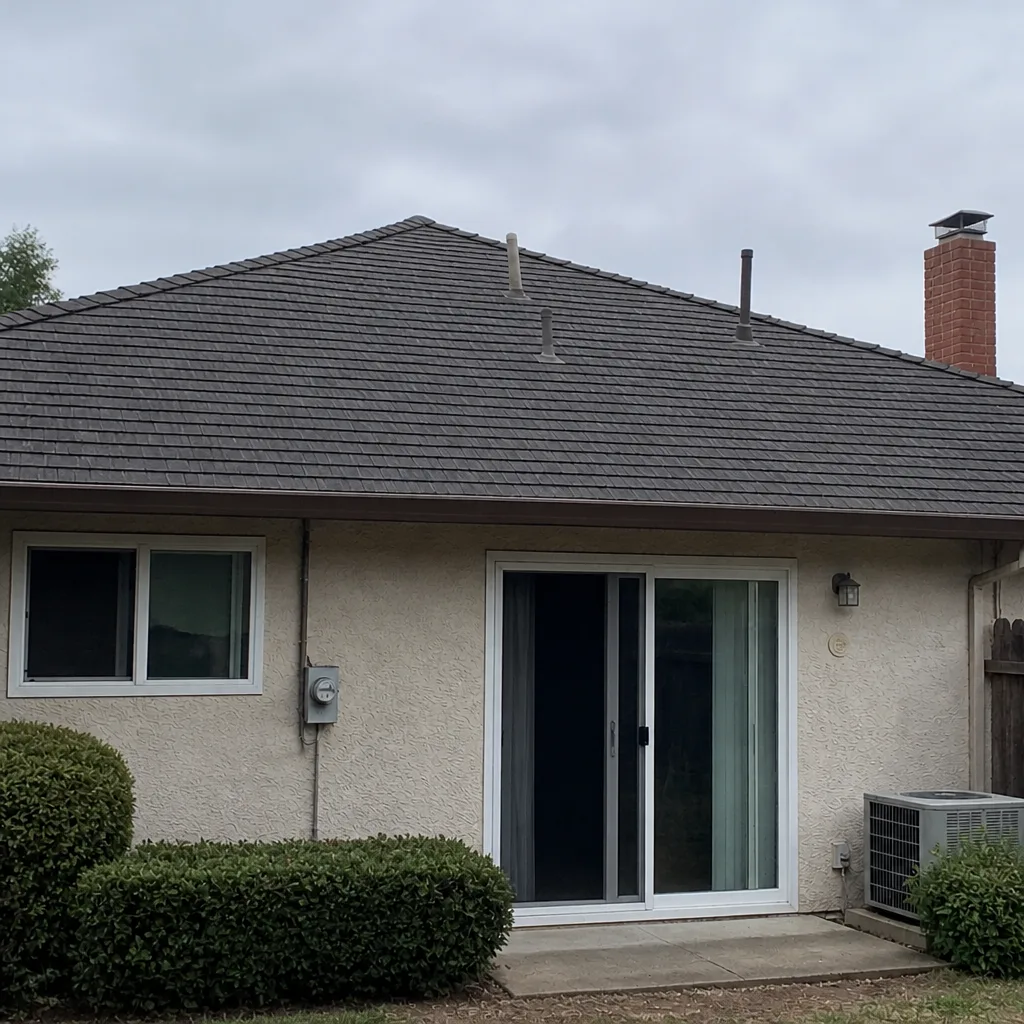 After
When to Call a Professional
Not every roof problem needs a full replacement, but some do, and only a trained eye can tell the difference. Call a professional if your roof is past its expected lifespan, if you see damaged, missing, or curling shingles across multiple slopes, if you’ve had recurring leaks in the same area after a repair, or if your roof has visible sagging or soft spots. Call if you’re planning a sale and want the roof documented. Call if a storm has left visible damage. Call before you commit to a material if you’re uncertain whether shingle, tile, or metal is right for your home.
At Citrus Heights Roofing Co, we offer free estimates in Citrus Heights. Call (279) 321-0356. We answer 24/7. Fast dispatch from 7am to 7pm, Sunday through Friday.
Frequently Asked Questions
Roof replacement costs in Citrus Heights vary widely by material, roof size, pitch, and how much of the structure needs repair, so the only trustworthy number is a written estimate for your specific roof. Asphalt shingle is generally the least expensive material category, tile and metal carry a higher up-front cost with a longer expected service life, and structural work for heavier materials adds to the total. Call (279) 321-0356 for a free estimate with a written line-item quote.
Yes, California issues a specific C-39 roofing classification, and you should verify that anyone quoting your roof holds that classification and a current, active license on the CSLB website. A general contractor’s B license can be legitimate, but it may mean the roofing work is subcontracted, so ask who will actually be on your roof. Always confirm the license number matches the business name on your estimate. Call (279) 321-0356 to talk through our process.
There’s no single best material; asphalt shingle, tile, and metal each fit different homes depending on structural load, sun exposure, roof slope, budget, and how long you plan to stay. The right answer comes from having a contractor compare all three for your specific roof rather than recommending the one they install. We install all three materials from seven manufacturers, which lets us show you the trade-offs honestly. Call (279) 321-0356 to schedule a free estimate.
In general, yes – a full roof replacement typically requires a permit from the local building department, and the job will be inspected. Permit rules can vary and change, so ask your contractor directly whether they pull permits and confirm with the city if you want certainty. A contractor who suggests skipping the permit should be avoided. Call (279) 321-0356 and we’ll explain how we handle permits on every job.
A California home improvement contract for roofing should include the contractor’s license number and classification, a detailed description of the work, the specific brand and product line of materials, cost breakdown including permits and disposal, a payment schedule compliant with state limits on up-front deposits, a start and completion estimate, and workmanship warranty terms in writing. It should also include your three-business-day right to cancel. Call (279) 321-0356 for a free estimate with a written, line-item contract.
Yes, but not by comparing totals. Ask each contractor for the estimated number of squares and the price per square for the quoted material, plus the same numbers for the alternate materials if they install them. That gives you a common denominator, and you can then compare lifespan, warranty depth, and structural work on an equal footing. A contractor who installs all three materials can give you all three numbers. Call (279) 321-0356 to get quotes across materials.
The Bottom Line
The right move in Citrus Heights is to audit the contractor’s range before you compare price. Check the CSLB license history, not just the status. Ask which manufacturers certify them and at what tier, because the tier is what unlocks manufacturer-backed warranty depth. Confirm they install asphalt shingle, tile, and metal, not just the one material they stock. Read the contract for California-required terms and watch for the three clauses that signal trouble. Then, and only then, compare bids using the per-square math.
Seven brands. Three materials. One contractor. That’s the standard to hold us and anyone else to.
At Citrus Heights Roofing Co, we install residential roofs across all three major materials from seven manufacturers, handle both roof replacements and new installations, and offer free estimates with written line-item quotes. Our technicians have up to 8 years of experience. Call (279) 321-0356. We answer 24/7. Fast dispatch from 7am to 7pm, Sunday through Friday, to get your free estimate scheduled.
Written by the team at Citrus Heights Roofing Co.