Last updated November 25, 2026
Free roof inspection with deck photos before we talk money - GAF and Owens Corning certified installation
Roofing Cost Breakdown: The Citrus Heights Homeowner’s Reference for 2026
Two quotes for the same “30-square shingle replacement” can legitimately differ by thousands of dollars. Not because one contractor is dishonest, but because the two scopes often cover completely different underlying work. One bid may include new decking where the plywood has gone soft; the other assumes the old deck is sound and bills for replacement later. One folds in tear-off and haul-off; the other buries disposal as an add-on. Citrus Heights homeowners get burned by this gap more than by any single line item, so this guide lays out every cost category: material ranges, labor variables, decking and flashing, permits and disposal, and how warranty tier changes the price. Read a quote like a contractor and the numbers stop being a mystery.
Quick Answer
A full asphalt shingle roof replacement in Citrus Heights in 2026 typically costs somewhere between the high single digits and the high teens per square foot installed, with the total driven by square footage, roof pitch, deck condition, and whether you choose 3-tab, architectural, or designer shingle. Tile and standing seam metal run higher per square, but last longer and change the maintenance math. The written, line-item estimate is what sets your final price.
Styles & brands we work with
- Architectural shingles
- Metal roofing
- Tile roofing
- GAF
- Owens Corning
- Flat & low-slope
Table of Contents
- What does roofing cost per square in Citrus Heights?
- What labor variables push a quote up or down?
- How do you spot a scope gap in a low bid?
- What does deck replacement add, and when is it required?
- How much do flashing and water barrier upgrades cost?
- What do permits and disposal add to a Sacramento County job?
- How does warranty tier change installed cost?
- How do shingle, tile, and metal compare for this climate?
What does roofing cost per square in Citrus Heights?
Roofers price work by the “square,” which is 100 square feet of finished roof surface. A typical single-story Citrus Heights ranch home runs somewhere in the 22 to 30 square range; two-story homes and complex rooflines with multiple hips and valleys climb higher. The per-square material cost is only part of the number, but it’s the clearest place to start comparing options.
Here are typical 2026 installed per-square material ranges for the Sacramento market. Treat these as estimated line-item ranges, not quotes: your written estimate sets the final figure.
- 3-tab asphalt shingle: $140 – $190 per square in material. The budget option, thinner, shorter lifespan.
- Architectural (dimensional) shingle: $190 – $280 per square in material. The workhorse choice for most Citrus Heights homes.
- Designer shingle: $300 – $500 per square in material. Premium look, heavier, higher-end warranty tiers.
- Concrete tile: $400 – $700 per square in material. Heavy, long-lived, requires structural review.
- Clay tile: $600 – $1,100 per square in material. The premium tile option, especially when matching existing stock.
- Standing seam metal: $700 – $1,200 per square in material. Long service life, higher upfront cost, different installer skill set.
Notice that material cost swing alone is dramatic before a single dollar of labor lands on the estimate. That’s why reading the material spec and the square count together matters. Two quotes that both say “architectural shingle” can still be $90 a square apart depending on whether the spec is a standard line or a premium line from the same manufacturer.
What labor variables push a quote up or down?
Labor is where good crews earn their keep and where low bids hide their risk. In the Sacramento Valley the variables are consistent job to job: pitch, accessibility, existing material, and roof complexity. A walkable 4/12 pitch with clear ladder access is cheap to tear off. A steep 8/12 with a gated side yard, a pool to protect, and three layers of old shingle is not. Labor isn’t negotiable in the way homeowners hope; the work is the work.
The main labor cost drivers to look for on any Citrus Heights quote:
- Roof pitch and height. Steeper and taller roofs need more fall protection, slower movement, and more staging. Expect a meaningful per-square bump above roughly a 6/12 pitch.
- Accessibility. Tight lots, gated side yards, and long hose runs add setup time. If the crew can’t get a dumpster near the roof, tear-off and haul-off take longer.
- Existing material type. Shingle tear-off is fast. Tile tear-off is slower and heavier; tile also requires careful removal and often a structural review before reinstalling. Metal over shingle means removal of two systems.
- Number of layers. A single layer of old shingle is one pass. Two or three layers means more weight, more tear-off, and often a deck inspection that turns up soft spots.
- Complexity. Hips, valleys, dormers, skylights, and penetrations all add flashing and detail work. A simple gable roof is the cheapest roofline to install.
When the same scope gets quoted $8,000 apart, the labor math almost always explains it. One contractor priced a steep, complex roof honestly; the other priced it as though it were a simple one. If a bid comes in far below the others with a scope that reads identical, ask specifically how the crew will handle pitch, access, and old material. The answer will tell you whether the price is real.
How do you spot a scope gap in a low bid?
A low bid is rarely a discount; it’s usually a bid with something missing. Scope gaps aren’t covered by a contractor’s good intentions or an “I’ll take care of it” promise. They’re covered by line items in writing. The five most common gaps on a Citrus Heights replacement quote:
- No decking allowance. A bid that doesn’t mention decking either assumes your plywood is perfect or plans to bill you later. Every replacement should state an allowance per sheet and a policy for soft spots found during tear-off.
- “Disposal included” but undefined. Ask whether the dumpster, haul-off, and landfill fees are listed separately or rolled in. If they’re not explicit, they may be charged back.
- No permit line. Permits are separate costs, and pulling one is the contractor’s job, not yours. If it’s missing, ask who is pulling the permit and how the cost is handled.
- Underlayment unmentioned. A synthetic underlayment swap and ice-and-water barrier at valleys and eaves are real upgrades with real cost. If the bid is silent, the cheapest underlayment is probably what’s priced.
- Flashing assumed reusable. Reusing old flashing on a new roof is one of the fastest ways to void a manufacturer’s warranty. The bid should say whether flashing is replaced or retained.
Ask any contractor quoting a Citrus Heights job to itemize these five categories explicitly. If they push back, that’s an answer too. The point of reading a quote like a contractor isn’t to catch the roofer; it’s to make sure you’re comparing the same scope across bidders. A slightly higher bid with a complete scope is often cheaper than a low bid with three change orders waiting inside it.
What does deck replacement add, and when is it required?
Deck replacement is the single biggest swing item on a shingle replacement in Citrus Heights, and it’s the line item most often glossed over. A typical allowance runs $75 – $150 per sheet of plywood or OSB, installed. A roof with ten soft sheets is a completely different job from one with zero. You won’t know the true number until the old shingles come off, so the right way to compare bids is by the per-sheet allowance and the stated policy, not by an imaginary ideal number.
When is decking code-required versus optional? This is where contractors differ in practice. In general terms:
- Required: Damaged, delaminated, rotted, or otherwise structurally compromised decking must be replaced. No building department will pass an inspection over a soft deck, and no manufacturer will honor a warranty on one.
- Often required: Thin or unrated existing sheathing that doesn’t meet current code when a roof is replaced. Your city’s building department makes the final call on what a replacement requires.
- Optional but often wise: Upgrading to a heavier-rated sheathing panel in areas with high foot traffic or wind exposure, or adding mechanical fastening on older homes.
The reason this belongs in a cost guide is simple: bids that “include decking” without an allowance figure are bids that will produce a change order. A responsible Citrus Heights estimate states an allowance, names the sheathing thickness, and describes how the crew will document what they find. Get that in writing before signing anything.
How much do flashing and water barrier upgrades cost?
Flashing and water barrier upgrades are smaller line items with outsized value. In the Sacramento Valley, the failures we see most aren’t shingle failures; they’re flashing failures at valleys, chimney transitions, and wall tie-ins. Reusing old flashing on a new roof is a common shortcut and a warranty killer. Most major shingle manufacturers require new flashing at certain transitions for their stronger warranty tiers, and A-rated warranties generally require it.
Typical 2026 upgrade ranges in our market, estimated:
- Synthetic underlayment upgrade: $15 – $30 per square on top of standard felt. Worth the premium on most replace-and-stay jobs.
- Ice-and-water barrier at eaves, valleys, and penetrations: $50 – $140 per square depending on how much of the roof needs it. Especially useful around valleys and skylights where water collects.
- New step flashing, counterflashing, and valley metal: often $600 – $2,000 on a typical Citrus Heights home, priced per linear foot and complexity of the transitions.
- Drip edge replacement: a small line item, but worth confirming it’s on the bid. Missing drip edge is a common inspection correction.
The key question on any bid: does it explicitly state that flashing will be replaced, and does it name the underlayment product? If the answer is yes, the job will cost a bit more but will perform better and hold its warranty. If the answer is no, the bid is estimating on the cheapest possible install.
What do permits and disposal add to a Sacramento County job?
Permits and disposal are the “included” items that most often turn out to be billed separately. Here’s how to read them honestly. Roof replacements require a permit through the local building department, and pulling that permit is the contractor’s responsibility, not the homeowner’s. The permit fee itself is a pass-through, typically in the $250 – $650 range for a residential roof replacement in this market, but it varies by valuation and jurisdiction. Some contractors roll it into the job total; others list it as a separate line. Either is fine so long as it’s clear.
Disposal and haul-off break down differently:
- Dumpster rental: one or two 20-to-40 yard containers, depending on roof size and layers. Usually $450 – $900 for the rental and haul.
- Landfill tipping fees: charged by weight. Asphalt shingle is heavy, so a large roof adds up. Expect $300 – $800 depending on volume and distance to the disposal site.
- Dump fees on tile and metal: tile is heavier still; metal often has scrap value that can offset some of the cost.
When a bid says “disposal included,” ask whether that’s the rental, the tipping fee, or both, and whether any fees are contingent on tonnage. Disposal as a percentage of total job cost typically lands between 4% and 8% on a Citrus Heights shingle replacement; it’s not the biggest line, but it’s the one most often sprung on homeowners after the fact. Permits and disposal together can represent 6% to 12% of a total job. On a mid-five-figure replacement, that’s real money to have settled up front.
How does warranty tier change installed cost?
Warranty tier is where two bids for “the same” GAF or CertainTeed shingle can diverge by thousands. The material may look identical on the top course, but the system underneath is not. Manufacturer warranties have tiers, and the higher tiers require specific accessory products: a specified underlayment, a matching starter strip, ridge cap, and, on some programs, ventilation components. That bundle is the system. Skip a piece and you drop a warranty tier without dropping any visible shingles.
Here’s the trade-off in practice for Citrus Heights homeowners:
- Standard 3-tab (or entry-tier dimensional): the lowest installed cost, with a warranty limited to the shingle itself. Accessories are usually excluded.
- Architectural shingle with the manufacturer’s upgraded system: a 15% – 25% jump in installed material cost for a stronger warranty and a transferable limited lifetime shingle warranty on qualifying installation programs.
- Designer shingle with full system accessories: a bigger jump again, still with manufacturer-backed protection if installed to spec.
The premium can be worth paying when you plan to stay in the home, or when you plan to sell and want a transferable warranty as a selling point. It’s less valuable on a rental property or a short-term hold. The manufacturer sets the terms, not us; on a GAF, CertainTeed, or Owens Corning install, that means the warranty is manufacturer-backed, not a contractor’s verbal promise. Ask which tier is being quoted, and make sure the bid names the accessories required to reach it. That single question separates a professional bid from a sales pitch.
How do shingle, tile, and metal compare for this climate?
Citrus Heights summers put real heat load on a roof, and that makes material choice more than a looks decision. Two identical-looking roofs in Citrus Heights can perform very differently under a July sun, and a contractor who handles only one material can’t show you the range honestly. Seven brands. Three materials. One contractor: that’s the reason so many local homeowners call us after getting single-material quotes.
The three families, broken down:
- Asphalt shingle. The default for good reason: lower installed cost, faster install, wide product range from 3-tab to designer. Whether you choose GAF Timberline, Owens Corning Duration, CertainTeed Landmark, or a comparable line from IKO, Atlas, or Tamko, choice is wide and every major manufacturer has a product that fits this climate. Our shingle roofing installs run the full spectrum.
- Tile. Concrete and clay tile both last a long time and handle the heat well. The catch is weight. A tile install requires a structural review and often additional framing to carry it. On the right home, tile is a decades-long decision. On the wrong one, it’s an expensive mistake. If you’re considering tile, the estimate has to include a load review before pricing is honest.
- Metal. Standing seam metal has the longest service life and the best heat performance of the three, at the highest upfront cost. The skill set for a metal install is different from a shingle install, so a company that handles all three materials removes the finger-pointing that happens when a shingle roofer installs metal they rarely do, or a metal crew patches shingle repairs.
Material choice also interacts with what you already have. Boral makes tile products that can match existing patterns in a repair-and-extend scenario; shingle lines across the seven brands let us match or closely complement an existing stock. If your home is a newer build and you’re choosing a material for the first time, the roof’s load, pitch, and exposure should drive the recommendation, not what the contractor happens to stock. That’s where we spend the most time with homeowners before quoting a roof replacement.
Common Mistakes to Avoid
- Comparing bids without comparing scopes. Two contractors quoting different scopes and different warranty tiers aren’t quoting the same job. Line-item comparison first, price comparison second. This is the mistake that costs Citrus Heights homeowners the most money.
- Choosing a shingle without confirming the accessory package. The shingle is the visible part; the underlayment, starter strip, and ridge cap are what hold the warranty. If the bid doesn’t name them, you’re getting the lowest tier.
- Skipping the decking allowance. A bid that “includes decking” without a per-sheet allowance is a bid that will produce a change order. Get the allowance number in writing.
- Reusing flashing to save money. Old flashing under new shingles is one of the most consistent warranty-voiding mistakes in the trade. New flashing is a line item, and it belongs on the bid.
- Not confirming who pulls the permit. In Sacramento County, the permit is a separate cost and a separate job. Confirm the contractor is handling it and that the fee is accounted for, so you don’t find yourself in the position of needing an after-the-fact permit on a finished roof.
- Assuming tile is a like-for-like swap with shingle. Tile requires a structural review for load. Whoever quotes tile without reviewing your framing isn’t giving you a quote; they’re giving you an estimate of what the job would cost if your framing happened to be rated for it.
- Letting the material choice be decided by the contractor’s inventory. Every roofer will quote what they install. A Citrus Heights homeowner choosing shingle vs. tile vs. metal deserves to see all three through one contractor relationship rather than piecing together specialists.
See the difference
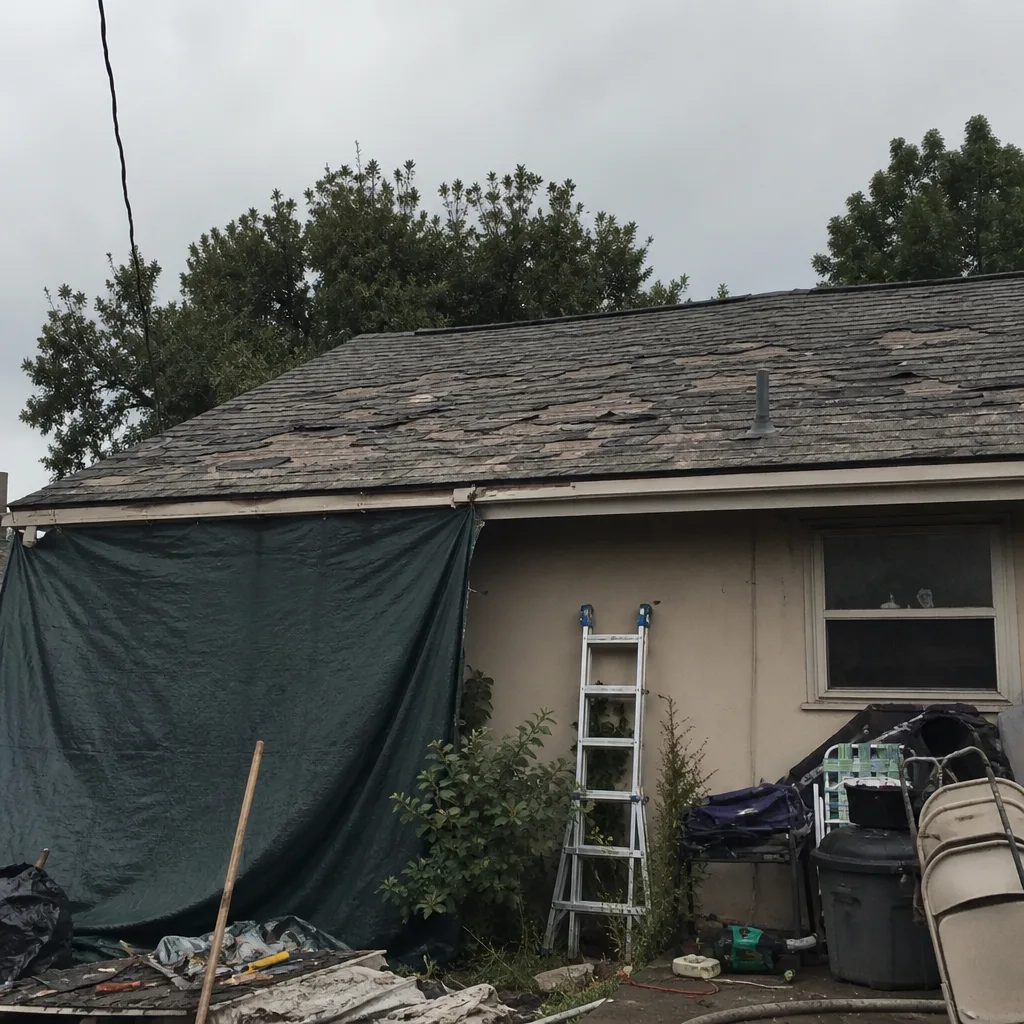 Before
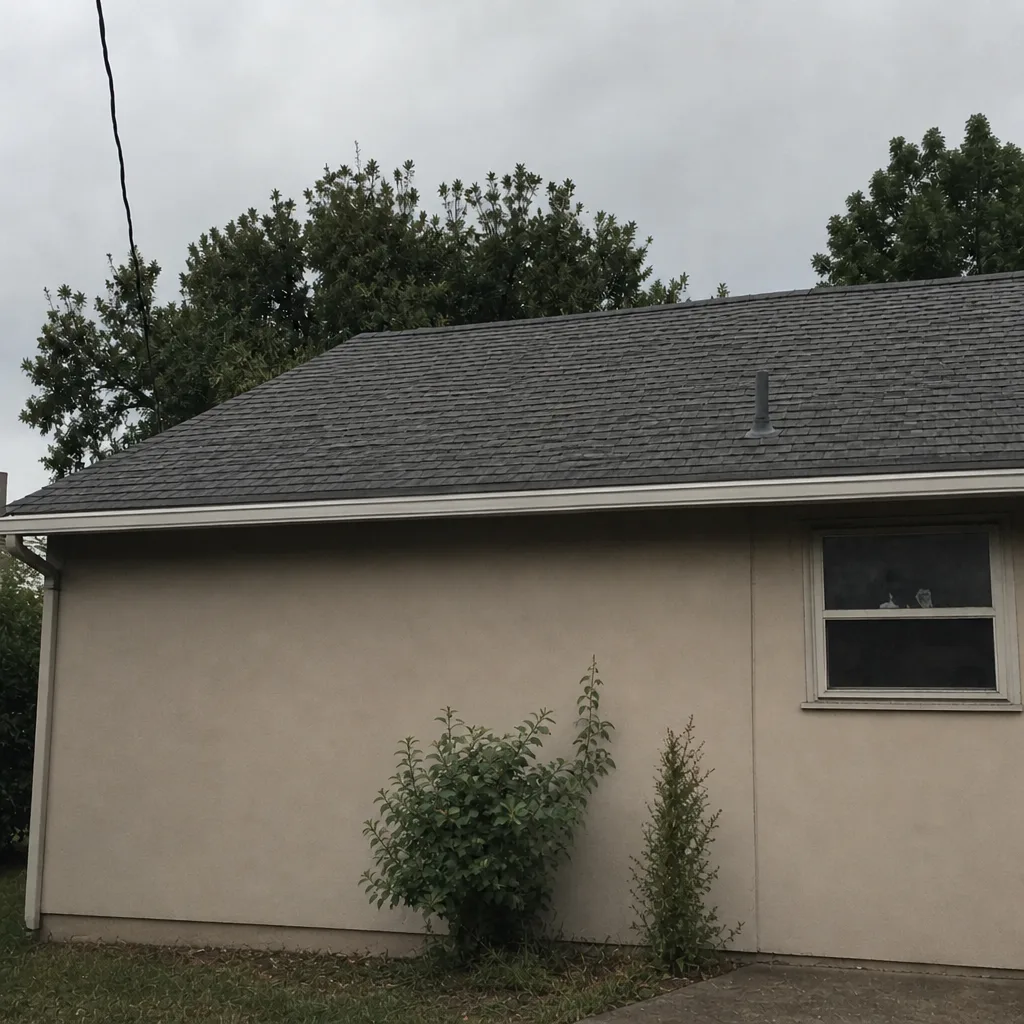 After
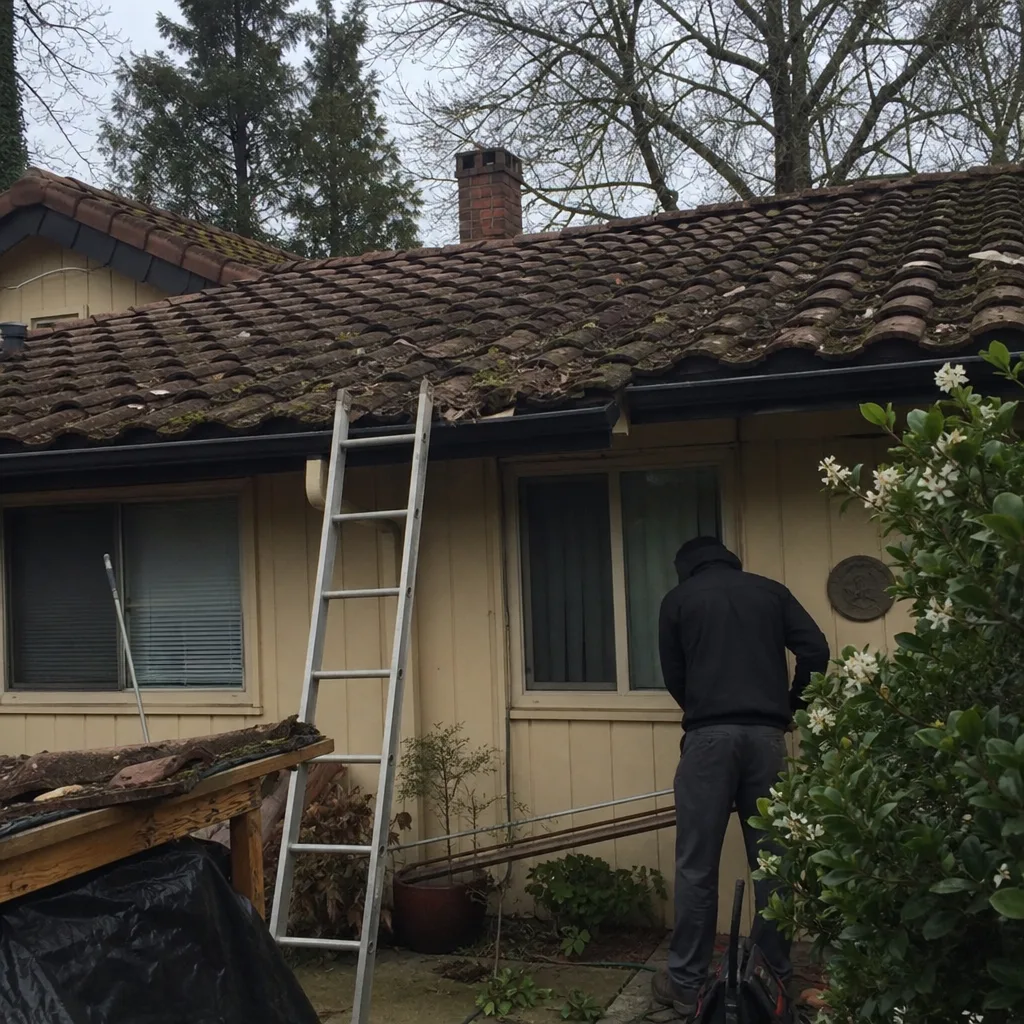 Before
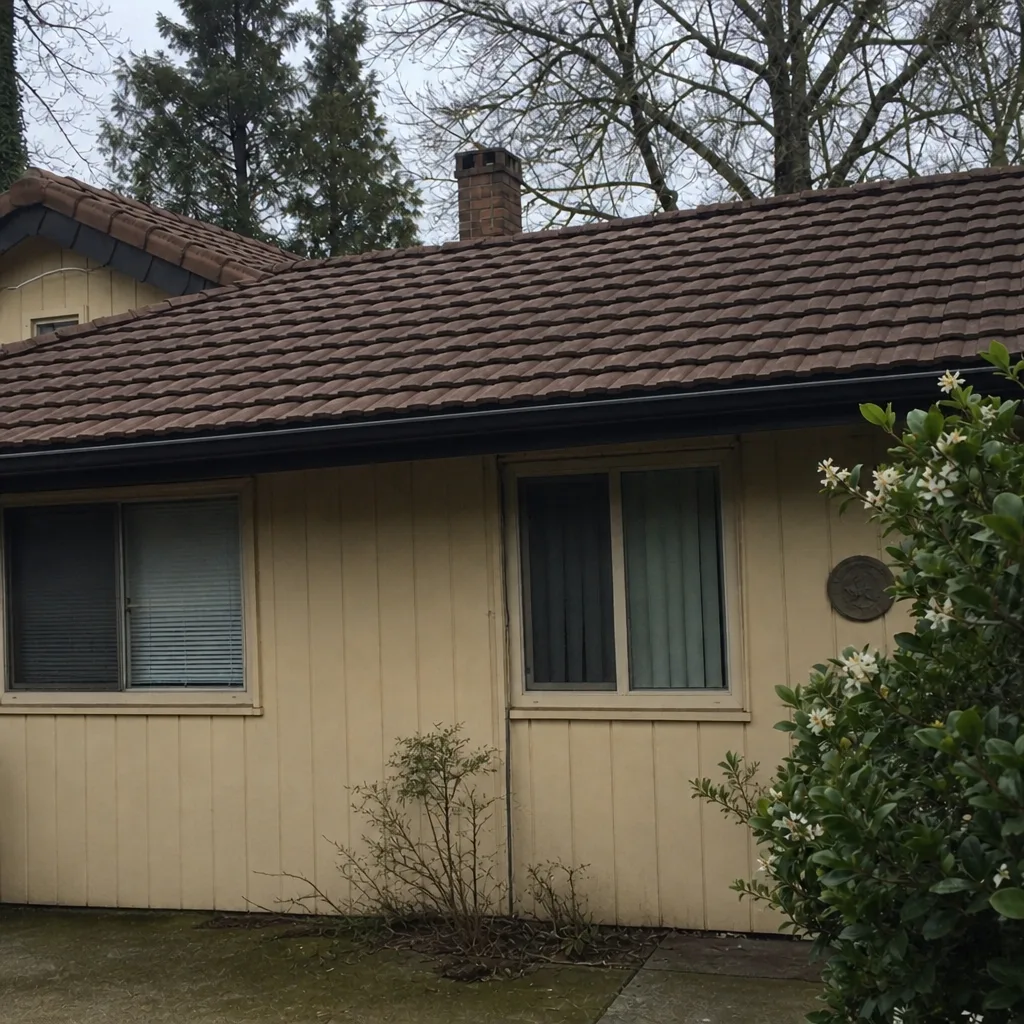 After
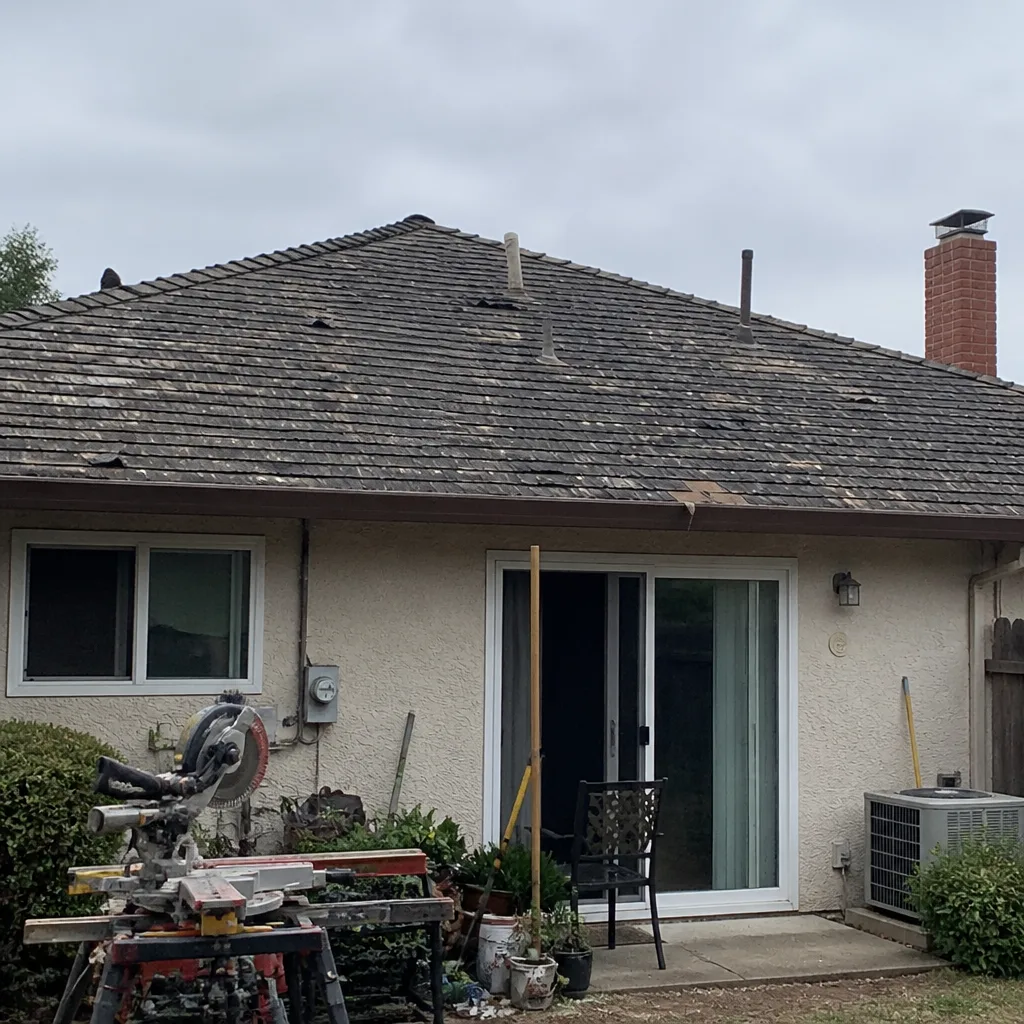 Before
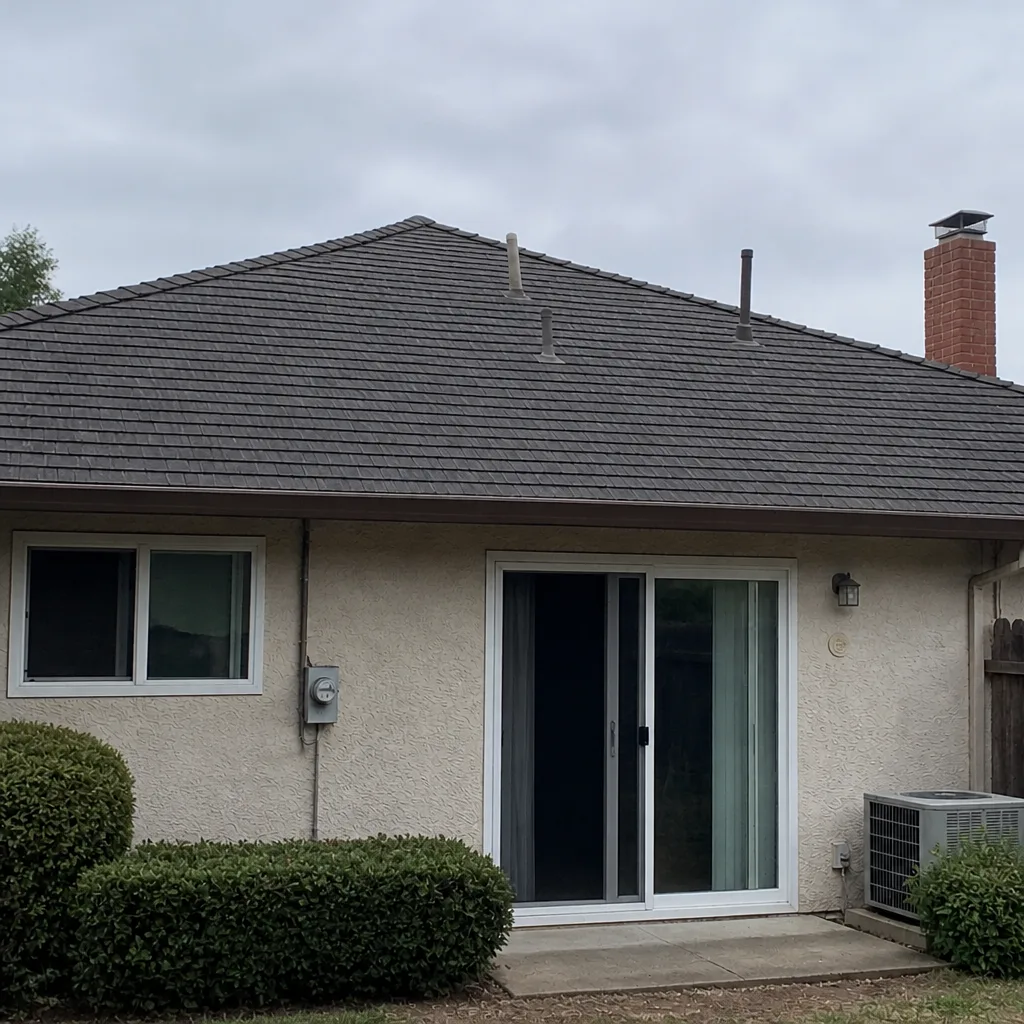 After
When to Call a Professional
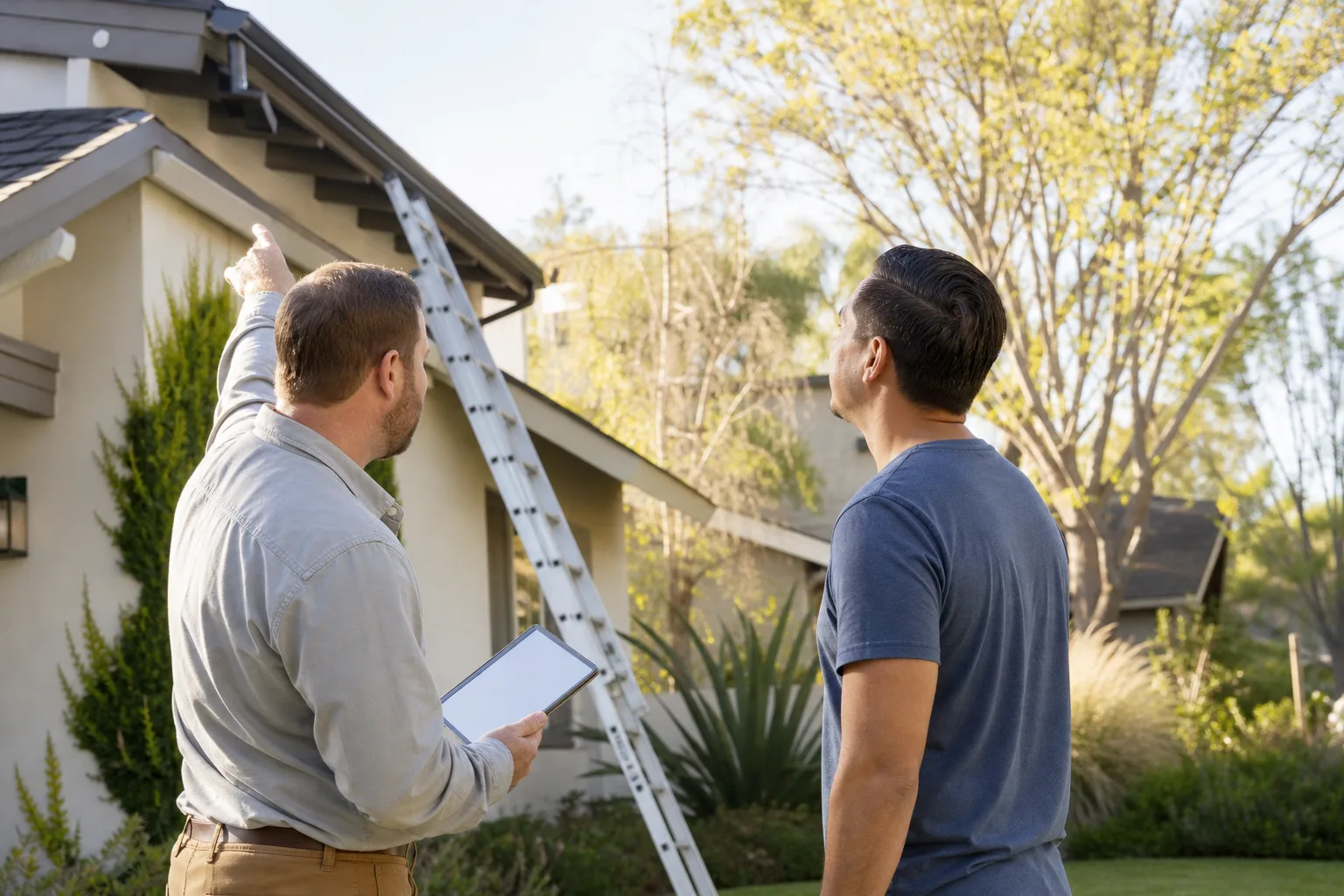
Call a professional roofer if you’re seeing sagging deck lines, interior ceiling stains after a rain, missing or curling shingles across a wide area, or daylight visible from inside the attic. Those are signs the roof is beyond repair and moving into replacement territory, and any estimate you get should include the scopes in this guide. Also call if you’ve gotten two bids that are thousands apart and you don’t yet know why. The gap is usually discoverable, and the goal of the estimate is to close it before you sign. At Citrus Heights Roofing Co we offer free estimates in Citrus Heights: call (279) 321-0356. We answer 24/7. Fast dispatch from 7am to 7pm, Sunday through Friday.
Frequently Asked Questions
A full roof replacement in Citrus Heights in 2026 typically lands somewhere in the mid five figures for a typical single-story home, with the exact figure driven by square footage, material, deck condition, and scope. Asphalt shingle is the lowest-cost option; tile and standing seam metal run higher per square but change the maintenance math over time. Call (279) 321-0356 for an exact, line-item written estimate, and estimates are free.
The written estimate sets the price, and it should be structured so that the only change comes from an allowance you’ve already agreed to, such as decking replacement or unexpected damage found under the old material. Ask any Citrus Heights roofer quoting your job to state allowances and change-order policies in the estimate. That’s the way to keep the price honest from start to finish. Call (279) 321-0356 to schedule a free estimate with those terms spelled out.
Yes, the contractor pulls the roof permit, and the fee is a pass-through either included in the job total or listed separately. The building department makes the inspection decision, and passing final inspection is part of the job. If you’re comparing quotes, confirm the permit line is present and whether the fee is separate. Call (279) 321-0356 to walk through the permit process for your Citrus Heights address.
Most asphalt shingle replacements on a typical Citrus Heights home run in the range of a few days from tear-off to final cleanup, weather permitting, with tile and metal typically longer because of the extra weight handling and detail work. The estimate should state an expected duration and how weather and deck discoveries can shift it. Call (279) 321-0356 to get a timeline for your specific roof.
For homeowners who plan to stay, standing seam metal often justifies the premium through its longer service life and reduced maintenance, particularly under the Sacramento Valley sun. It’s less compelling on a short-hold property where you won’t capture the benefit. We install shingle, tile, and metal, so the recommendation comes from your home’s load, climate exposure, and budget, not from what’s easiest to install. Call (279) 321-0356 for a free estimate that compares all three materials for your address.
A higher manufacturer warranty tier does cost more, because reaching it requires specific accessory products: a named underlayment, starter strip, ridge cap, and in some cases ventilation components. Those are real line items on the install. On GAF, CertainTeed, and Owens Corning programs, the resulting warranty is manufacturer-backed and transferable on qualifying installs, which is a real selling point if you plan to sell. Call (279) 321-0356 to see which tier fits your roof and your plans.
The Bottom Line
The number on a Citrus Heights roofing quote isn’t magic; it’s the sum of scopes you can itemize. Material cost per square, labor variables, decking allowance, flashing and underlayment upgrades, permits and disposal, and warranty tier are the pieces. Read them line by line, and a $20,000 bid and an $8,000 bid stop looking like the same job. If you’re moving into a full replacement or a new roof installation, choose a contractor who installs shingle, tile, and metal across the leading manufacturers, so the recommendation fits the house and not the installer’s habits.
Seven brands. Three materials. One contractor. That’s what makes the comparison honest, and that’s the difference between a quote that lasts and a change order that doesn’t. Call Citrus Heights Roofing Co at (279) 321-0356 for a free, line-item written estimate. We answer 24/7. Fast dispatch from 7am to 7pm, Sunday through Friday. Our technicians have up to 8 years of experience.
Written by the team at Citrus Heights Roofing Co.