Last updated November 25, 2026




Free roof inspection with deck photos before we talk money - GAF and Owens Corning certified installation
Roof Replacement Maintenance Checklist for Citrus Heights Homeowners
Manufacturers will deny a warranty claim if routine maintenance wasn’t performed, and “routine” in their fine print covers tasks most contractors never mention when they hand you the final invoice. That’s the part nobody warns you about. A new roof isn’t a set-and-forget purchase. It’s a system that needs eyes on it at predictable intervals, and those intervals follow the Sacramento Valley’s seasons, not the calendar year. This guide is built backward from the failure points we actually see on Citrus Heights homes after one year, five years, and ten years. You’ll get a month-by-month task calendar, the specific warranty clauses you’re on the hook for, and a clear line between what you can check yourself and what California law says requires a licensed contractor.
Quick Answer
A roof replacement in Citrus Heights needs maintenance checks twice a year plus after any major storm: clear debris from valleys and gutters, inspect flashing at walls and penetrations, look for lifted or cracked shingles, and document everything with dated photos. Homeowners can safely do ground-level and low-slope visual checks, but anything that requires walking the roof, climbing a ladder above a single story, or touching flashing and fasteners is work for a licensed professional under California contractor law. Skipping documented maintenance can void the manufacturer warranty on shingles from brands like GAF, CertainTeed, and Owens Corning.
Styles & brands we work with
- Architectural shingles
- Metal roofing
- Tile roofing
- GAF
- Owens Corning
- Flat & low-slope
Table of Contents
- The Warranty Maintenance Clauses You’re Actually Responsible For
- Your Month-by-Month Maintenance Calendar for Citrus Heights Weather
- Flashing Inspection: Where Sacramento Valley Roofs Fail First
- How to Log and Photograph Maintenance for Warranty and Insurance
- Homeowner-Safe Checks vs. Work That Requires a Licensed Contractor
- What to Check at Year One, Year Five, and Year Ten
- Material-Specific Maintenance: Shingle, Tile, and Metal
- Common Mistakes to Avoid
The Warranty Maintenance Clauses You’re Actually Responsible For
Every major shingle manufacturer structures its limited lifetime warranty the same way: the material is covered, but only if the homeowner can show the roof was maintained. Read the fine print on a GAF, CertainTeed, or Owens Corning warranty and you’ll find language about “proper maintenance,” “adequate ventilation,” and “prompt repair of any damage.” None of it is defined in plain terms on the package. That’s the trap.
Here’s what those clauses translate to in practice:
- GAF: The limited lifetime shingle warranty requires that the roof be installed per the manufacturer’s written instructions and that the homeowner maintain proper attic ventilation and address damage promptly. Fail to fix a valley that’s been collecting debris for two seasons, and a claim for premature shingle failure gets contested.
- CertainTeed: Warranty coverage on shingles and accessories depends on installation to spec and on the roof being kept free of conditions that accelerate wear. CertainTeed’s literature ties coverage to the product performing as designed, which assumes you didn’t let water pond against the deck for years.
- Owens Corning: The Duration line’s warranty carries similar maintenance expectations, and the transferability that adds resale value depends on documented care, not just the original paperwork.
- DECRA and metal systems: Metal warranties lean heavily on finish integrity and fastener condition. A scratched panel or a backed-out fastener that goes unrepaired becomes a warranty argument, not a warranty claim.
Note the pattern: none of these warranties require you to climb the roof. They require you to notice and act. Dated photos of clean valleys, intact flashing, and clear ventilation logs are your evidence. We install for all these brands, and we tell every Citrus Heights homeowner the same thing at completion: keep a folder. The warranty is only as good as the record behind it. When it’s time for the work itself, whether it’s a roof replacement or a repair, the paperwork trail matters as much as the shingles.
Your Month-by-Month Maintenance Calendar for Citrus Heights Weather
Citrus Heights sits in the Sacramento Valley, which means dry, hot summers and mild, wet winters. That rhythm drives when maintenance actually matters. A generic checklist tells you “inspect twice a year.” Here’s what bimonthly attention looks like when you map it to the real weather pattern.
January through March. This is peak rain season. Debris dams form in valleys and behind chimney flashing. Water finds every weak point now. Check gutters at least once a month for granule accumulation and leaf buildup, and look for staining on ceilings inside.
April. Transition month. Clear winter debris before the heat sets in, and get a low-slope visual check done while temperatures are still mild enough to be comfortable.
May through September. Thermal expansion is highest now. Shingles and metal panels move as the roof surface heats and cools, and that movement is what loosens fasteners and opens nail pops over time. This is also when algae streaking becomes visible and moss pressure begins on north-facing slopes that stay shaded and hold morning moisture. Look for new dark streaks and blistering on south- and west-facing planes.
October through December. Pre-winter prep window. Clear leaves, confirm flashing and sealant are intact, and photograph everything before the wet season. This is the most important inspection of the year.
Log each of these passes with a date. When a manufacturer asks whether maintenance was performed, “yes, here’s the calendar and photos” is a very different answer than “I think so.”
Flashing Inspection: Where Sacramento Valley Roofs Fail First
Shingle failure makes the headlines, but flashing failure causes most of the leaks we see on valley homes. Flashing is the metal that seals roof-to-wall transitions, valleys, chimneys, skylights, and vent penetrations. It’s also the part most homeowners never look at, which is why it’s the first thing to inspect on a protocol.
Focus on these transition points, in this order:
- Valleys. Where two roof planes meet, water concentrates by design. Check for debris dams, rusted valley metal, and separation between the flashing and the shingle course.
- Roof-to-wall transitions. The step flashing along an upper wall is the most common leak source on Citrus Heights homes with split-level or multi-plane rooflines. Look for lifted metal, missing sealant, and water stains on the wall below.
- Chimney and skylight edges. The counterflashing at a chimney and the perimeter flashing around a skylight are both prime leak points. Check for pulled fasteners and dried or cracked sealant.
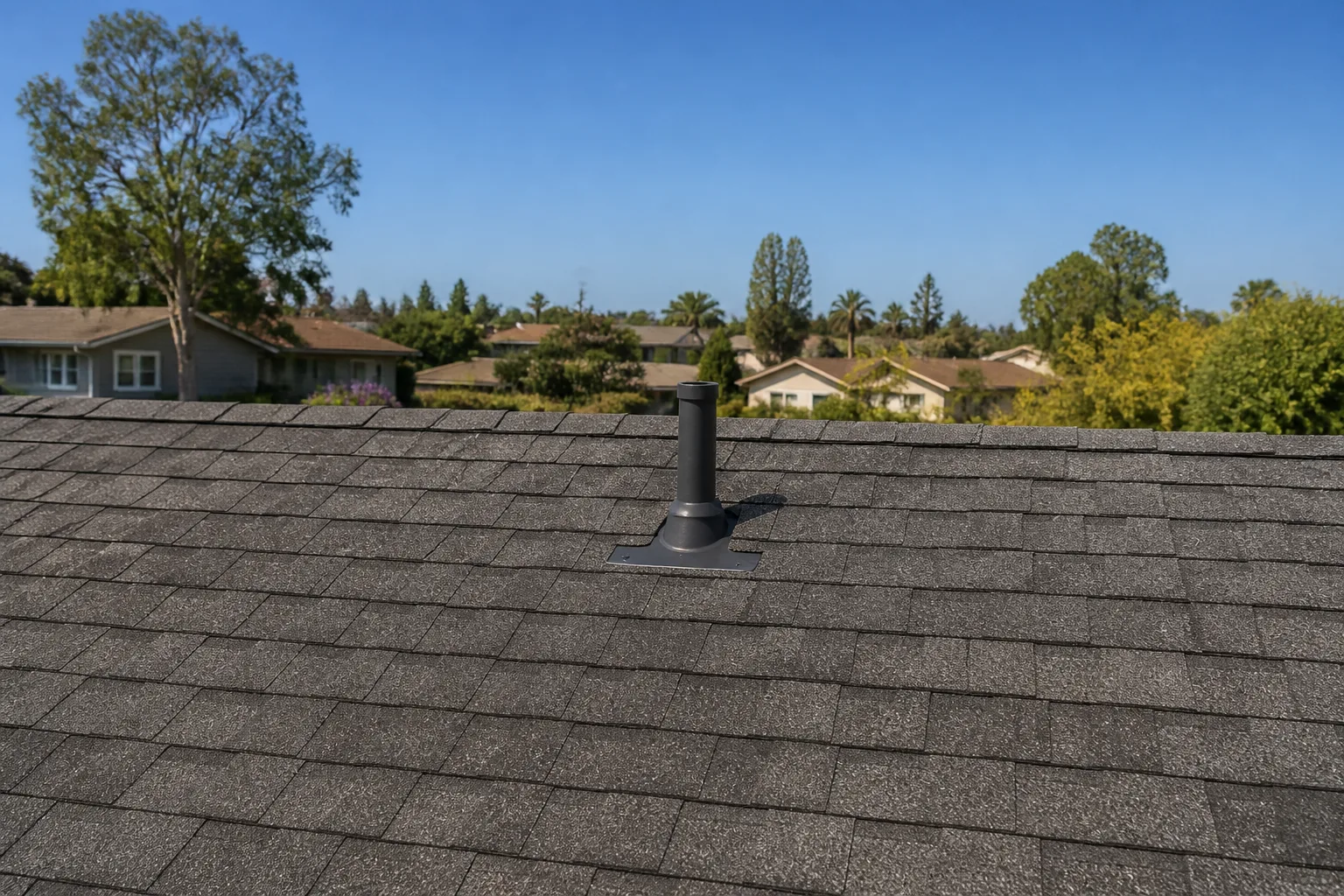
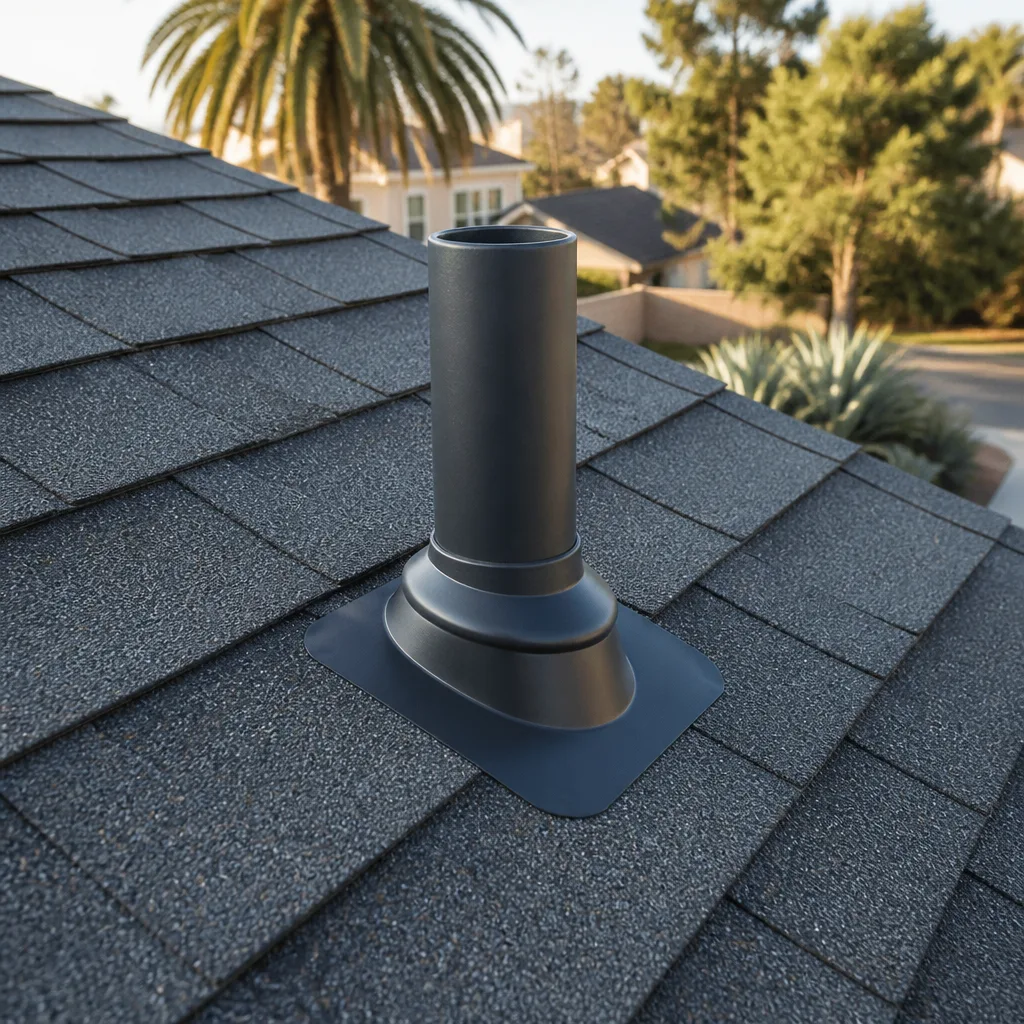
- Pipe boots and vent penetrations. The rubber boot around a plumbing vent cracks with UV exposure. On a Sacramento Valley roof, that happens faster than you’d expect because of the sun load.
Flashing repair isn’t a homeowner task. Lifting a step-flash course and resealing it correctly takes a licensed roofer who knows how the original course was lapped. A patch that looks right from the ground can channel water behind the shingle. For new construction projects, flashing gets specified at the outset, which is why we treat new roof installation with the same inspection mindset we apply to existing roofs.
How to Log and Photograph Maintenance for Warranty and Insurance
A maintenance record only helps if it’s usable. That means dated, labeled, and stored where you can find it years later. The good news is that you don’t need special equipment; a phone and a folder do the job. Here’s the routine we recommend to any Citrus Heights homeowner after a replacement.
- Photograph from the ground, not the roof. Telephoto shots from a safe vantage point capture shingle condition, gutter buildup, and obvious flashing issues without anyone climbing up.
- Name the files by date and location. “2026-10-05_north-slope_gutter” is infinitely more useful than “IMG_4412.”
- Keep a one-page log. Date, what you checked, what you found, and whether you called anyone. Two minutes per inspection.
- Save the original install paperwork in the same folder. Brand names, product lines, and the installer’s documentation all matter if a claim comes up later. If you’re comparing options now, the manufacturer roster behind the job, whether it’s GAF, IKO, Tamko, or another line, should be recorded from day one.
- Emailed photos create a timestamp. Send yourself the set or store it in cloud backup so the date is verifiable, not just noted.
If your roof is ever damaged by a storm, this record does two things: it supports an insurance claim by establishing the roof’s pre-storm condition, and it defends against a warranty denial by proving maintenance was performed. Both matter. An insurer who sees a maintained roof is a very different conversation from an insurer who sees unmanaged neglect.
Homeowner-Safe Checks vs. Work That Requires a Licensed Contractor
California contractor law draws a line, and knowing where it is protects you. A homeowner can perform routine maintenance and observation on their own property. But work that involves roofing as a trade, including repairs, flashing replacement, and anything requiring permits, falls under licensed contractor rules. The line isn’t about how hard a task feels. It’s about what’s legally allowed and what’s genuinely safe.
Tasks that are homeowner-safe:
- Clearing debris from gutters and visible valleys from the ground or a low, stable step ladder
- Visual inspection of shingles, flashing, and gutters from the ground or a safe vantage
- Keeping the attic ventilated and checking for interior water staining
- Photographing and logging roof conditions
Tasks that need a licensed professional:
- Any work that requires walking on the roof
- Flashing repair or replacement at any transition
- Shingle, tile, or metal panel repair and replacement
- Fastener work on metal roofs
- Any repair that turns into a permit job
We say this plainly because we’ve seen too many homeowners get hurt or create a worse leak trying to DIY on a roof that looked simple from the ground. Roofs are dangerous, and the work that matters most is often the work that’s hardest to see. When a maintenance task turns into a repair, the local pro we connect you with is licensed and insured as their state requires.
What to Check at Year One, Year Five, and Year Ten
A roof’s needs change with age, and so does the inspection focus. Here’s how we structure the timeline for Citrus Heights homes.
Year one. This is the settle-in period. Fasteners seat, sealant cures, and any installation issue tends to surface now. Focus on flashing integrity, sealant condition, and whether the ventilation is working. If anything loosens, address it while the manufacturer warranty is fresh and the installer is accountable.
Year five. Thermal cycling has done its work. Look for nail pops, lifted shingle tabs, and the first algae streaking on shaded slopes. Gutter debris accumulation is heavier, so cleaning frequency climbs. Flashing sealant in valley and wall transitions may need refresh.
Year ten. This is where maintenance history pays off. Shingles on south and west slopes show the most wear from sun exposure. Metal fasteners need a torque check. Tile underlayment, if it’s a tile roof, starts to become the limiting factor rather than the tile itself. At year ten, the goal is catching the slow failures before they become structural.
Each stage has a distinct focus, and the difference between a roof that lasts to its full manufacturer rating and one that doesn’t often comes down to whether the homeowner tracked these stages at all.
Material-Specific Maintenance: Shingle, Tile, and Metal
Each of the three dominant residential materials ages differently in the Sacramento Valley, which is why we talk through maintenance material-first rather than applying one checklist to every roof. Shingle roofing is the most common choice in Citrus Heights, and it’s also the most maintenance-sensitive.
Asphalt shingle. Granule loss is the key wear indicator. Check your gutters after a storm; heavy granule accumulation signals a shingle past its prime. Look for curled tabs and blistering, especially on sun-facing slopes. Shingle maintenance is largely observing and addressing early.
Tile. Tile is durable but the underlayment beneath it is not. The tile itself rarely fails; the membrane beneath is what needs periodic attention as it ages. Walking a tile roof is the fastest way to crack tiles, which is one reason we keep it in the licensed-contractor column. Broken tiles should be replaced promptly to prevent water from reaching the underlayment.
Metal. Metal roofing from makers like Boral needs fastener checks and finish inspection. Scratches and chips in the finish can lead to corrosion if left unaddressed. Check fasteners for backing out over time; thermal cycling is the main cause. Metal maintenance is mostly about keeping the finish intact and the panels secured.
Because we carry all three materials across manufacturers, we can compare them honestly rather than steering you toward whichever one a single-brand shop happens to stock. The right roof is the one that fits your home’s structure, sun exposure, and budget.
Common Mistakes to Avoid
- Skipping the pre-winter inspection. October through December is the most important window on a Citrus Heights roof. If you only inspect once a year, make it before the rain season, not after.
- Assuming a new roof needs no maintenance for years. Year one is when installation issues surface. Treat the first year as the highest-attention period, not a vacuum.
- Walking the roof to save a call. Most roof injuries happen on ladders and on slopes that looked easy from the ground. The tasks that matter most are worth a professional.
- Not documenting anything. A warranty claim without a maintenance record is a losing argument, no matter how well the roof was actually kept.
- Ignoring flashing because the shingles look fine. Flashing fails before shingles do on valley roofs. Check the transitions first.
- Letting debris sit for a full season. A valley dam that stands for months does more damage than most homeowners realize, and it’s entirely preventable with regular clearing.
See the difference
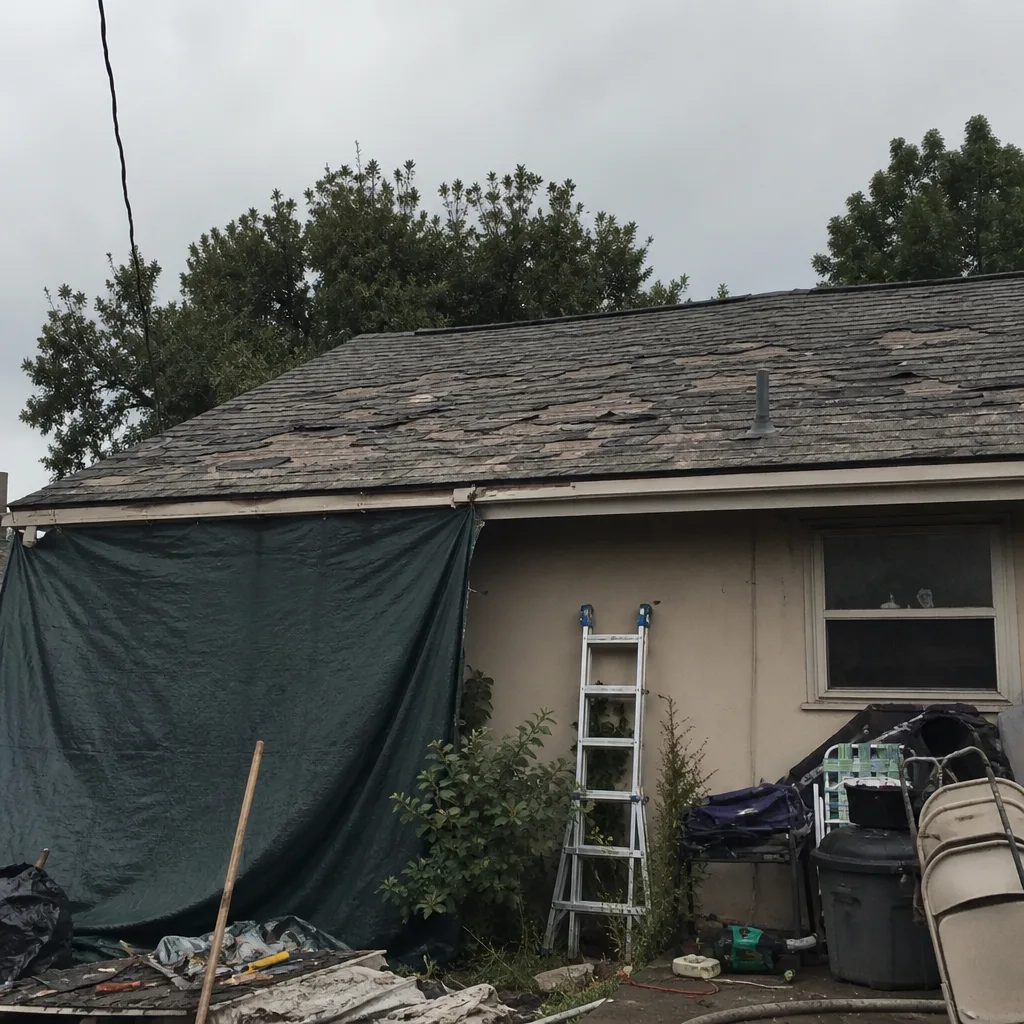 Before
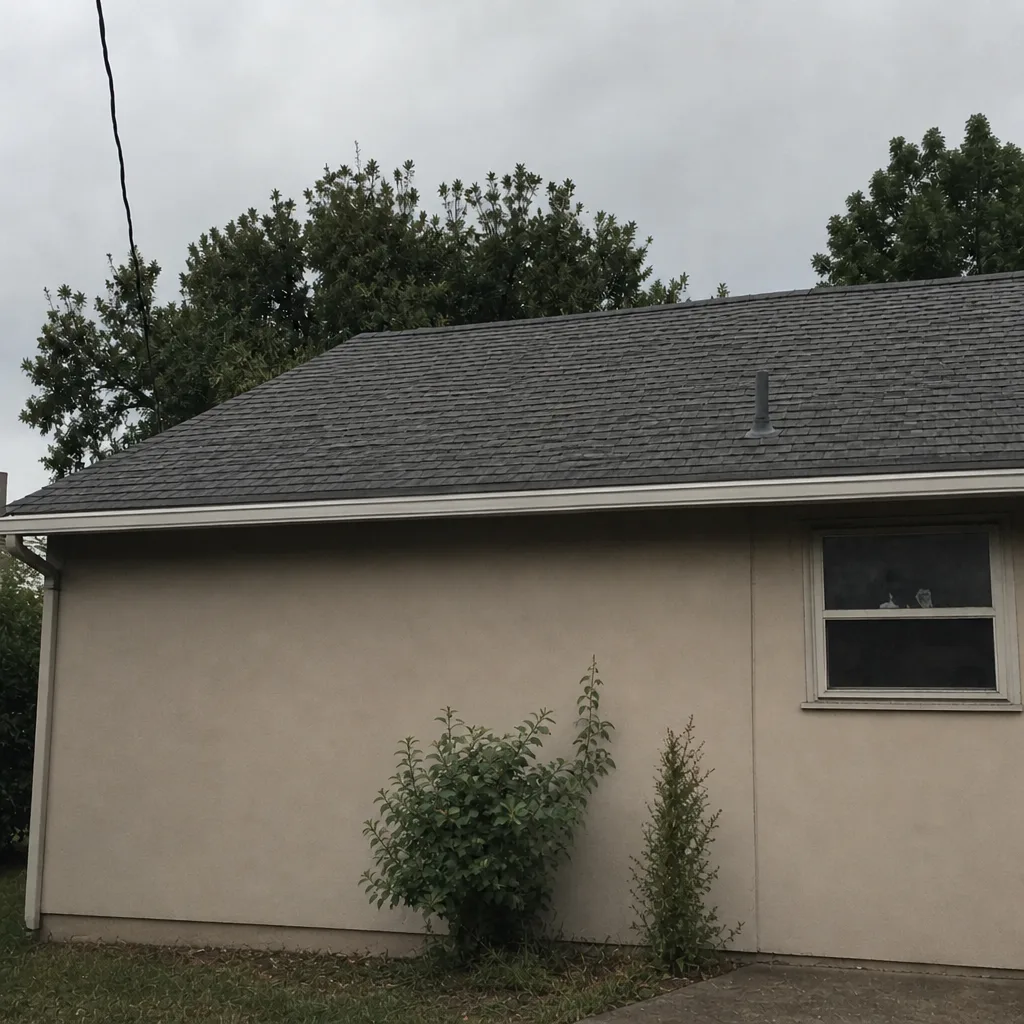 After
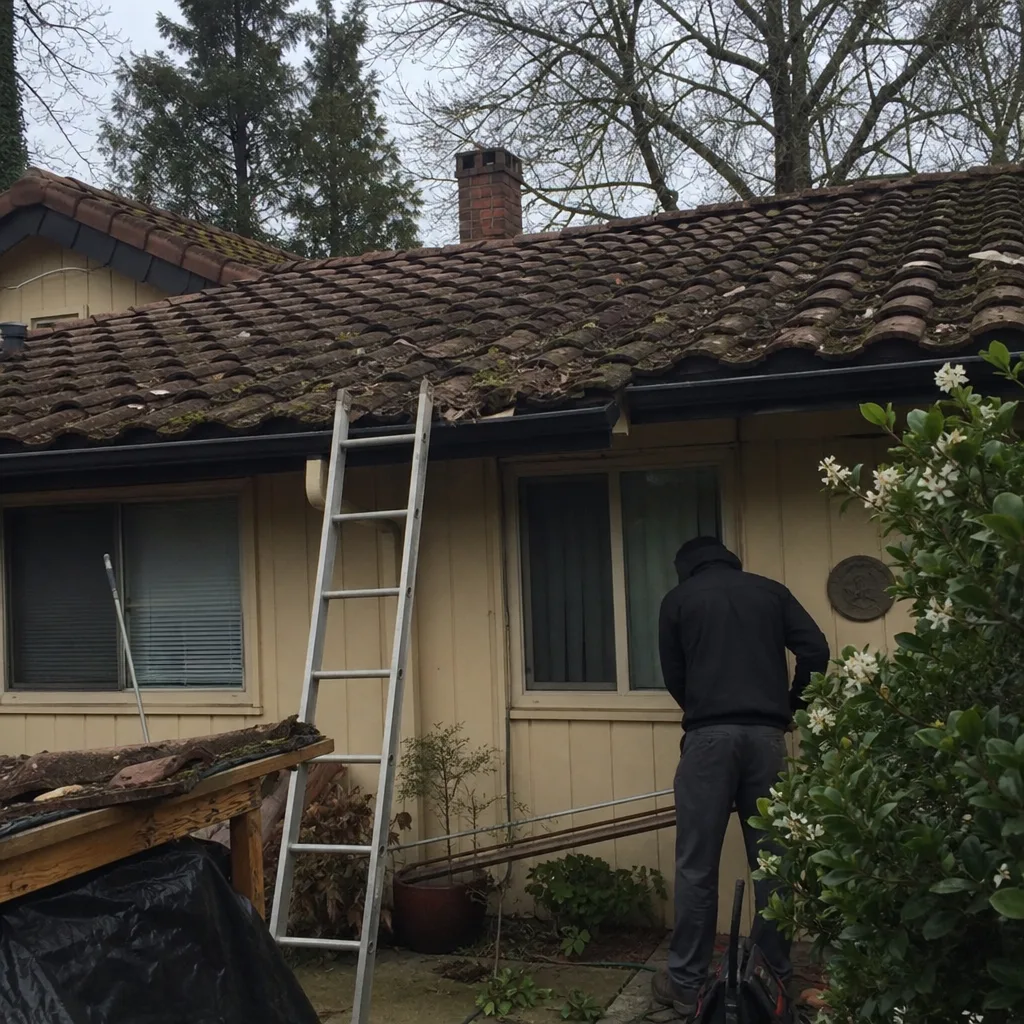 Before
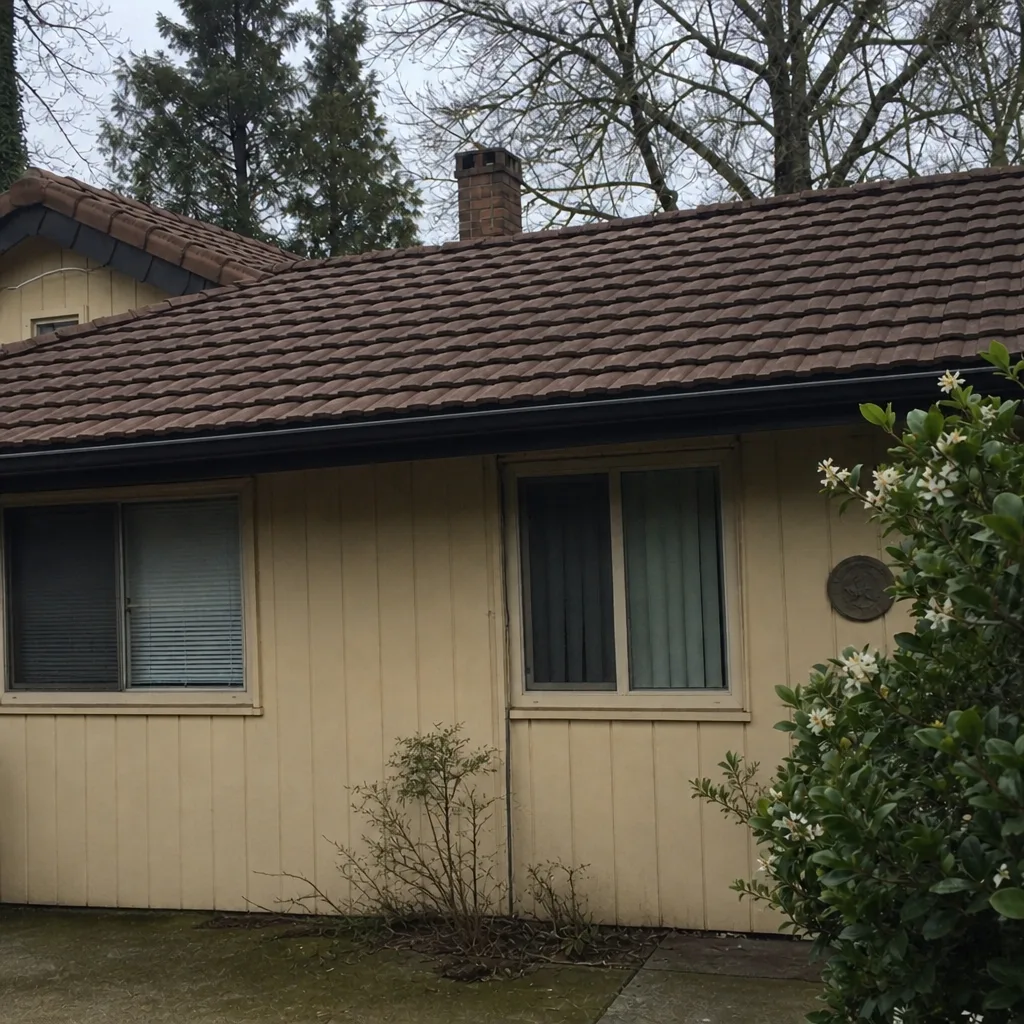 After
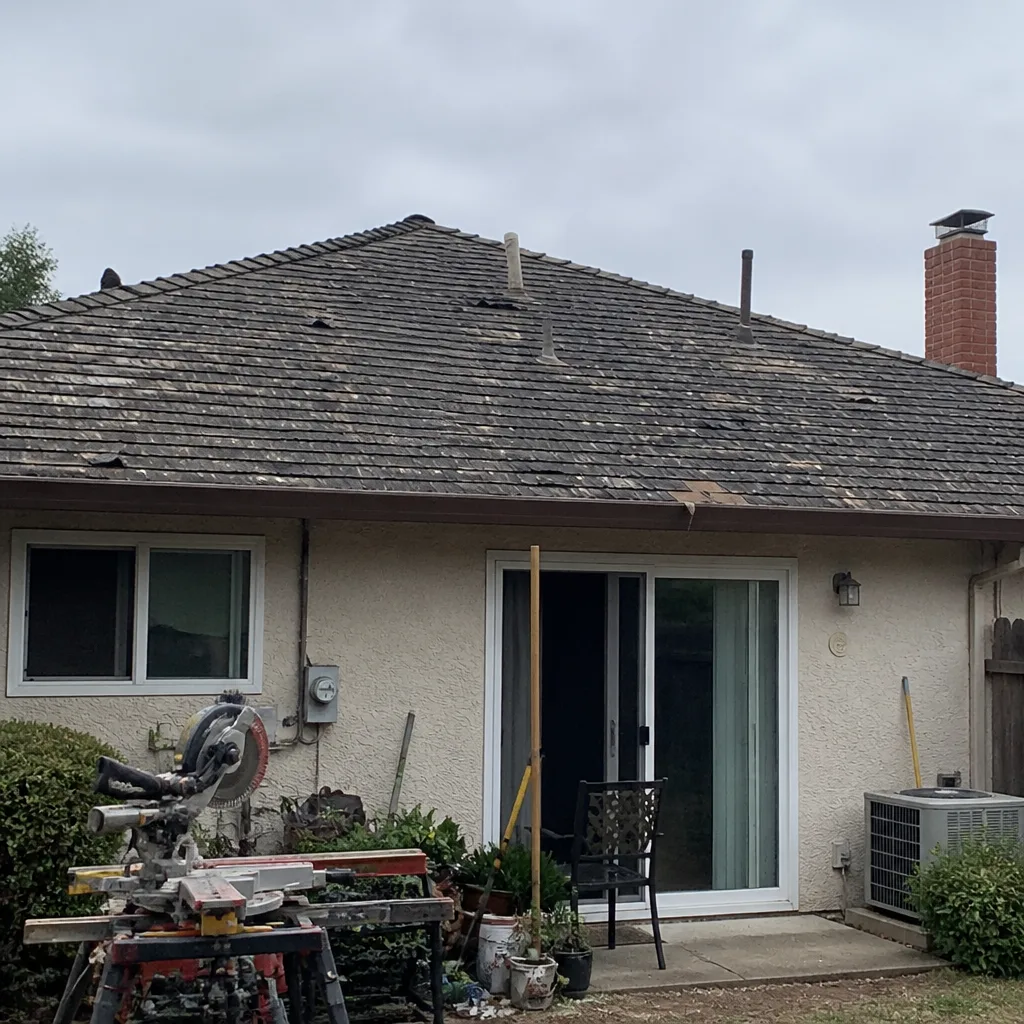 Before
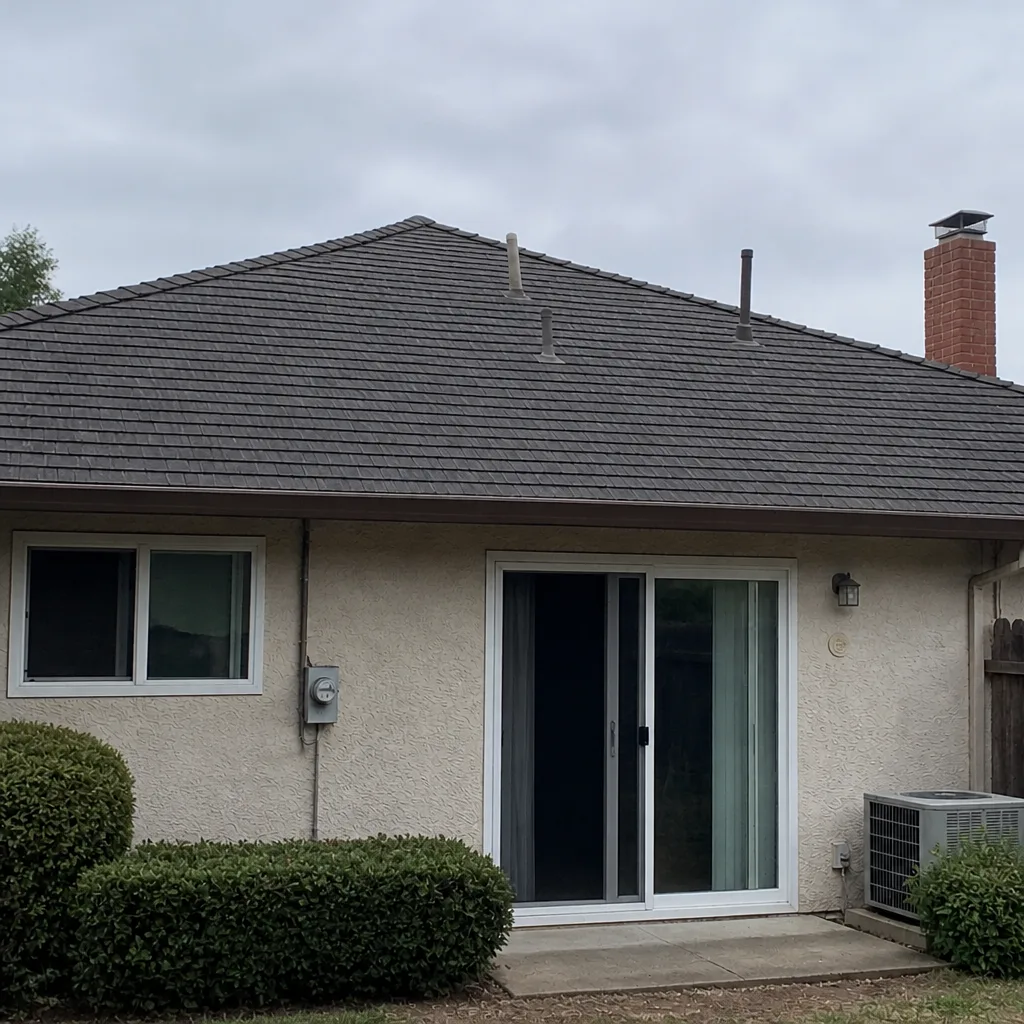 After
When to Call a Professional
Some maintenance is genuinely yours to handle: clearing gutters, photographing from the ground, keeping a log. But the moment a maintenance check surfaces a repair, call a pro. Any active leak, missing shingles, damaged flashing, backed-out fasteners on a metal roof, or a flashing sealant that’s visibly failed warrants a licensed inspection. If you’re seeing interior staining or bubbling paint on a ceiling, that’s water, and it’s already found a path. If you can’t safely reach a section to inspect it, that’s also a call. DIY repairs on a roof are how small problems become expensive ones. Citrus Heights Roofing Co offers free estimates in Citrus Heights, so the conversation costs nothing. Call (279) 321-0356. We answer 24/7. Fast dispatch from 7am to 7pm, Sunday through Friday.
Frequently Asked Questions
Twice a year plus after any major storm, with extra attention in October through December before the wet season and in spring before the heat. That schedule matches the Sacramento Valley’s dry-summer, mild-winter pattern. Following it protects both the roof and the manufacturer warranty. Call (279) 321-0356 for a free estimate when you need an inspection.
Yes, a warranty claim can be denied if the manufacturer can’t confirm the roof was maintained as required. GAF, CertainTeed, and Owens Corning warranties all carry maintenance expectations that homeowners are responsible for documenting. Dated photos and a simple maintenance log are your defense. Call (279) 321-0356 to schedule a free estimate.
You can do safe checks from the ground and from a stable ladder, including photographing shingles, gutters, and flashing. Anything that requires walking the roof or repairing flashing, shingles, or fasteners is work for a licensed professional under California contractor law. Call (279) 321-0356 for a free estimate.
Flashing failure at roof-to-wall transitions, valleys, and penetrations causes more leaks than shingle failure does. Sacramento Valley roofs see the most issues at these transition points. Check them first during any inspection. Call (279) 321-0356 for a free estimate.
Date every photo, keep a one-page log of what you checked and what you found, and store the original install paperwork in the same folder. Email the photos to yourself or back them up in the cloud so the dates are verifiable. Call (279) 321-0356 for a free estimate if you’re preparing for a claim.
The maintenance differs rather than disappearing. Tile needs underlayment attention as it ages, and metal needs finish and fastener checks. Shingle requires the most frequent visual attention in the Sacramento Valley heat. Call (279) 321-0356 for a free estimate and a material comparison.
The Bottom Line
Roof replacement maintenance in Citrus Heights isn’t about climbing up and checking everything yourself. It’s about knowing when to look, where failures happen first, and which tasks legally and safely belong to a licensed professional. Document everything. Check flashing before shingles. Cover the October-through-December window before the wet season. Keep the manufacturer paperwork alongside your maintenance log. A roof is a long-term asset, and whether it reaches its full warranty rating often comes down to whether the maintenance was tracked at all. Seven brands. Three materials. One contractor. When it’s time for the work, Citrus Heights Roofing Co installs across the full range and can set you up with a free estimate.
Call (279) 321-0356 for a free estimate. We answer 24/7. Fast dispatch from 7am to 7pm, Sunday through Friday.
Written by the team at Citrus Heights Roofing Co.