Last updated November 25, 2026
Free roof inspection with deck photos before we talk money - GAF and Owens Corning certified installation
Choosing the Right Roofing Brand: A Buyer’s Guide for Citrus Heights
Every major roofing manufacturer sells a shingle it calls “lifetime.” That single word hides more than it reveals. Two products with the same lifetime label can differ by decades in how long the coverage actually lasts, whether it transfers to the next owner, and what labor it pays for when something goes wrong. Brand loyalty makes sense for a contractor who warehouses one line. For a homeowner in Citrus Heights picking a roof that has to last 25 to 50 years on one house, in one climate, on one budget, loyalty to a logo is the wrong starting point. This guide compares the major manufacturer lines on the specs that matter here, in plain language, so you can choose with your eyes open.
Quick Answer
The right roofing brand for a Citrus Heights home is the one whose warranty terms, performance ratings, and local contractor support match your project’s lifespan goal and budget, not the one with the loudest advertising. Asphalt shingle dominates local re-roofs because it balances cost and performance; tile and metal cost more upfront and last longer. Compare GAF, CertainTeed, Owens Corning, and the other major lines on transferability, wind rating, algae resistance, and regional service before you sign.
Styles & brands we work with
- Architectural shingles
- Metal roofing
- Tile roofing
- GAF
- Owens Corning
- Flat & low-slope
Table of Contents
- Why Brand Choice Matters More Here Than You’d Think
- The Four Specs That Actually Predict Performance in Citrus Heights
- How Manufacturer Warranties Really Differ
- Why the Local Contractor Network Makes or Breaks a Warranty
- When a Lesser-Known Brand Wins
- Matching Brand Tier to Your Project Type
- Shingle vs. Tile vs. Metal: The Brand Question Underneath
- A Step-by-Step Way to Choose
Why Brand Choice Matters More Here Than You’d Think
Most homeowners assume the installer matters and the brand is a detail. In practice, the brand determines what happens five, ten, or twenty years after the crew leaves, because the warranty behind your roof is the manufacturer’s, not the contractor’s. A roofer can promise you the world verbally. The shingle wrapper is what governs the claim.
In Citrus Heights, that distinction hits harder than in many places. Our summers run long and hot, and roofs sit under intense sun for months. That heat stresses shingles, drives granule loss, and shortens the life of any product that wasn’t engineered for sustained high temperatures. The Central Valley climate doesn’t punish a roof the way snow and ice do, but it does punish cheap formulations. A budget line built for a milder market can fade and crack years ahead of schedule on a Citrus Heights rooftop.
Brand also determines your material range. Some manufacturers do asphalt shingle well and nothing else. Others carry tile and metal systems that perform differently under this sun. When you choose a brand, you’re partly choosing which materials are even on the table for your house.
And brand affects your replacement versus new-build decision. A re-roof on an existing Citrus Heights home has different structural and budget constraints than a new roof installation on new construction. The right brand for one isn’t automatically right for the other. Knowing the lines lets you match the product to the project.
This is the heart of the matter: brand loyalty belongs to the contractor who stocks one line. Your loyalty belongs to the roof over your head. Those are two different things, and separating them is the first step toward a good decision.
The Four Specs That Actually Predict Performance in Citrus Heights
Manufacturers bury the useful numbers under marketing tier names like “premium” and “architectural.” Ignore the names. Four specifications tell you most of what you need to know about how a roof will hold up around Citrus Heights.
1. Solar Reflectance (SRI)
The Solar Reflectance Index measures how well a roof reflects sunlight and releases heat. A higher SRI keeps the roof surface cooler, which slows the aging of the material underneath and eases the load on your air conditioning. In a hot inland valley, SRI is one of the most meaningful specs on the label. Cool-rated shingle lines and light-colored tile both score better here than dark products.
2. Wind Resistance
Wind ratings tell you the sustained and gust speeds a product is tested to withstand. Standard-rated shingles and higher-rated versions of the same line can look identical on the roof but behave very differently in a gusty storm. If you’re comparing two products at similar prices, favor the one with the stronger wind rating.
3. Impact Class
Impact ratings (often expressed in classes) describe how a product handles falling debris and blunt strikes. Hail is uncommon in Citrus Heights, so impact class matters less here than it does in storm country. It’s still worth noting for tree-heavy lots where branches drop, but it shouldn’t drive your choice the way wind and heat specs should.
4. Algae Resistance
Algae resistance protects against the dark streaking that discolors roofs over time, especially on shaded or north-facing slopes. Many major lines include algae-resistant granules as standard or as an upgrade. In a neighborhood with mature trees, that feature protects appearance as much as anything else.
Line these four up side by side across GAF, CertainTeed, Owens Corning, and the other major manufacturers and the “premium” labels start to look arbitrary. Sometimes a mid-tier product beats a top-tier one on the spec you care about. That’s the whole reason to compare numbers rather than brochures.
How Manufacturer Warranties Really Differ
This is where brand choice pays off or bites you. Every major manufacturer markets a “limited lifetime” shingle, but the terms underneath that phrase vary so much that two products with identical labels can offer coverage that differs by decades of real protection. Read the actual documents, not the summary sheet.
Here’s what to compare, in plain language:
- Transferability. Some limited lifetime warranties transfer to a new owner if you sell the house, sometimes for a reduced remaining term, sometimes only within a set window and only with proper registration. A transferable warranty can add real value at resale. A non-transferable one dies with the sale.
- Labor coverage. Many manufacturer warranties cover materials only. If a covered defect shows up, you may get replacement shingles and still pay a crew to install them. Some programs include labor, but usually only when the roof was installed by a manufacturer-certified contractor following their spec. Ask which category you’re in.
- Exclusions. Nearly all warranties exclude damage from storms, poor ventilation, foot traffic, and installation error. The last one matters: if the problem traces back to how the roof was installed, the manufacturer may point at the contractor and the contractor may point back. That’s the gap a strong installer relationship is meant to close.
- Proration. Some “lifetime” terms are full coverage for a defined period, then prorate down over the following years. Understand when the proration starts and how steeply it declines.
The key takeaway: a lifetime warranty is a contract with conditions, not a promise that your roof is free forever. The brands known for transferable limited lifetime shingle warranties, including GAF, CertainTeed, and Owens Corning lines, give you more to work with, but only if the install meets the terms. That’s why the installer and the warranty are two halves of one decision.
Why the Local Contractor Network Makes or Breaks a Warranty
A warranty is only as good as the support behind it in your area. When a claim comes up years down the road, someone has to inspect the roof, document the defect, file the paperwork correctly, and stand behind the work. If the nearest certified installer for a given brand is far away or the local network is thin, that process gets slower and harder for everyone involved.
This is the part of brand selection most buyers never think about. In the Sacramento region, the manufacturers with deep, established contractor networks make warranty service smoother, because there are more trained installers who understand the brand’s requirements and more support on the ground. The big names tend to have the strongest regional presence here. A niche manufacturer with excellent products but thin local support can leave you waiting on a warranty issue that a better-supported brand would resolve faster.
There’s a second layer to this. Installation quality is what triggers the warranty in the first place. A manufacturer’s certified program usually requires the installer to follow specific practices: proper underlayment, correct fastening, adequate ventilation, and the manufacturer’s own detailing. Roofers who aren’t certified to a brand can still install it, but the top-tier warranty coverage may not apply. That’s why the installer’s authorization matters as much as the label on the shingle.
At Citrus Heights Roofing Co, we install products from seven major manufacturers, which means we can match you to the line with the strongest fit for your home and the best local support for your warranty, rather than steering you toward whatever we happen to carry. That flexibility is the point.
When a Lesser-Known Brand Wins
Household names aren’t automatically the right call on every spec. This is the part of the conversation that surprises people, and it’s where comparing numbers instead of logos pays off.
A well-established brand’s flagship shingle might lead on wind rating or algae resistance, but a lesser-known manufacturer can outperform it on a different metric that matters more for your particular roof. Maybe the mid-tier line from a smaller name carries a stronger impact rating, or a specific product handles sustained heat better than a premium shingle from a bigger brand. The tier names on the wrapper don’t tell you that. The spec sheet does.
Where the big names usually win is on warranty backing and the depth of the contractor network, which are real advantages. Where a smaller brand can win is on a specific performance metric, or on value at a given price point. Neither outcome is guaranteed. What matters is that you compare the four specs from the previous section across every candidate, not just the ones with the biggest ad budget, and weigh those against the warranty and local support.
The trap is assuming the most famous brand is the best product. It’s often a good product with great support. Those aren’t the same thing, and the difference shows up years down the road. A buyer who reads the specs gets the best available roof for their money. A buyer who trusts the logo gets whatever the logo happens to offer.
In Citrus Heights, where heat is the dominant stress, the spec that often separates a value pick from a premium one is heat handling and solar reflectance. A lesser-known line engineered for hot climates can be a smarter buy than a famous brand’s entry product built for a milder map.
Matching Brand Tier to Your Project Type
The brand you choose should track your project’s lifespan goal and structure, not just your budget. A homeowner planning to move within a few years has a different calculation than someone building a forever home. And a re-roof on an existing house has different demands than new construction.
Short-hold projects (roughly 10-year horizon)
If you’re likely to sell within a decade, prioritize a solid mid-tier product with a transferable warranty and strong local support, so the roof holds up and the warranty adds resale value without an unnecessary premium. You don’t need the top line. You need a product that won’t trigger a claim before you sell.
Forever-home projects
If this is the last roof the house will need under your ownership, the math changes. Here the top-tier lines from manufacturers with transferable limited lifetime warranties earn their premium, especially where the specs on heat, wind, and algae resistance are strongest. You’re buying decades, and a difference in warranty terms can be worth the extra cost.
Replacement vs. new installation
A roof replacement on an existing Citrus Heights home starts with an assessment of the current structure: decking condition, existing layers, ventilation, and load. A new installation on new construction gives you more freedom from the start. Some materials suit one project type better than the other. Tile and metal, for example, carry different structural and fastening requirements than asphalt shingle, and the brand you pick should reflect the structure underneath.
Match the tier to the plan, and the brand decision gets simpler. Pick the horizon first, then the material, then the brand that fits both. That order keeps the choice honest.
Shingle vs. Tile vs. Metal: The Brand Question Underneath
Brand is a question nested inside a bigger one: which material. The three dominant residential categories behave differently under Citrus Heights conditions, and each carries its own brand considerations. Here’s how they compare.
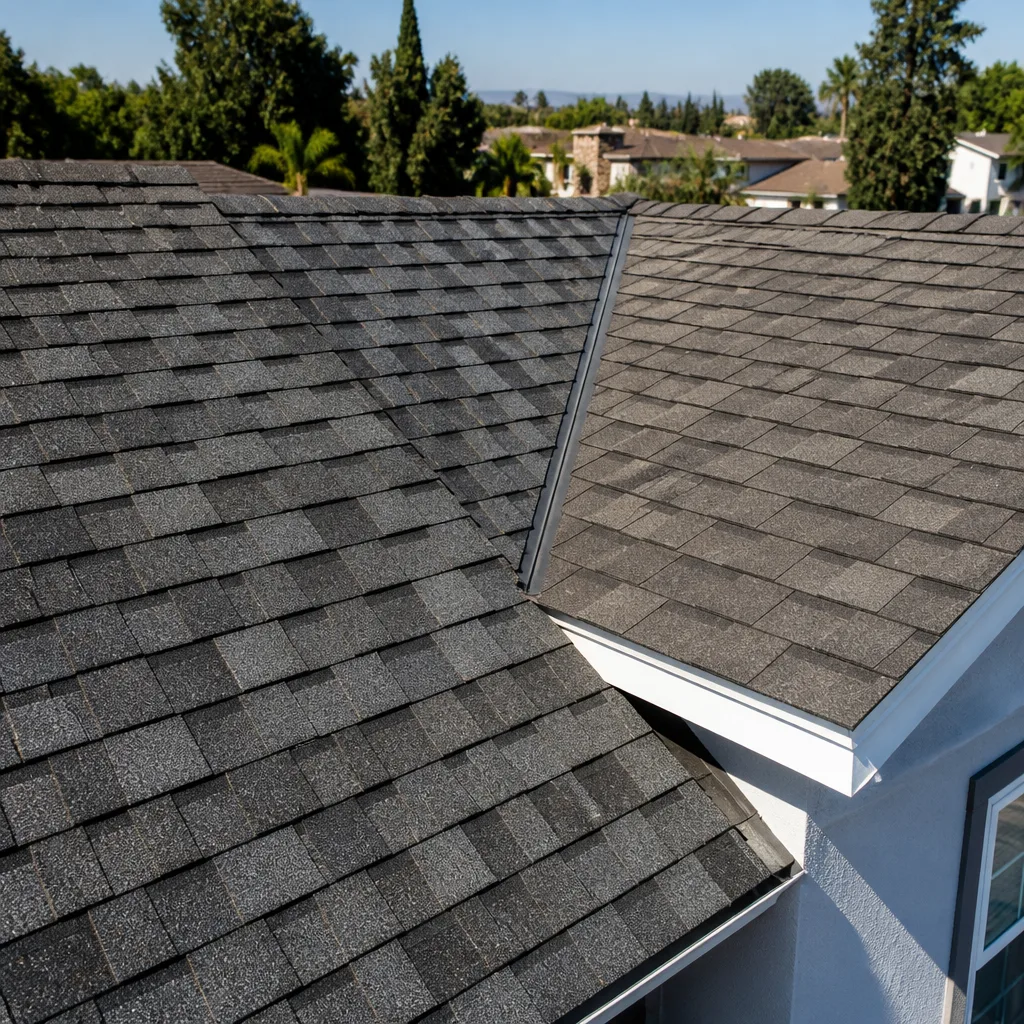
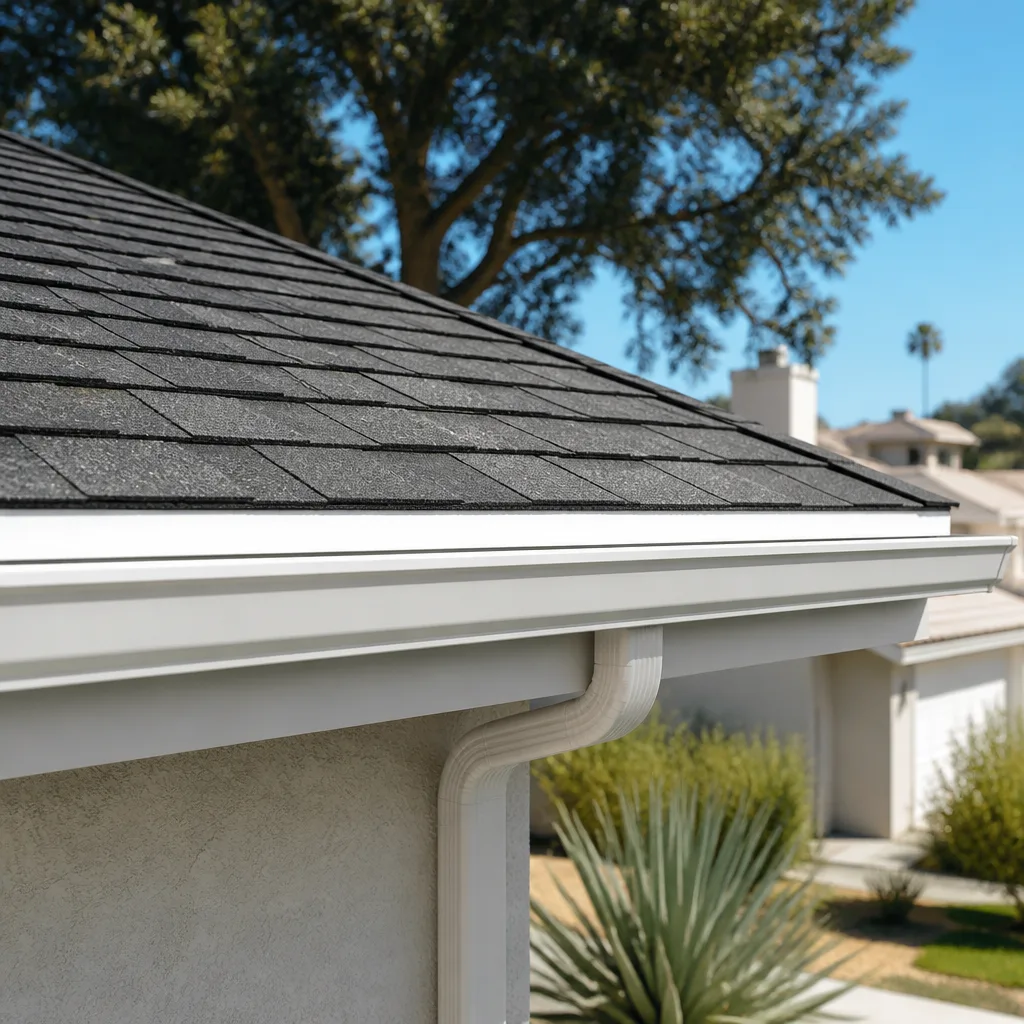
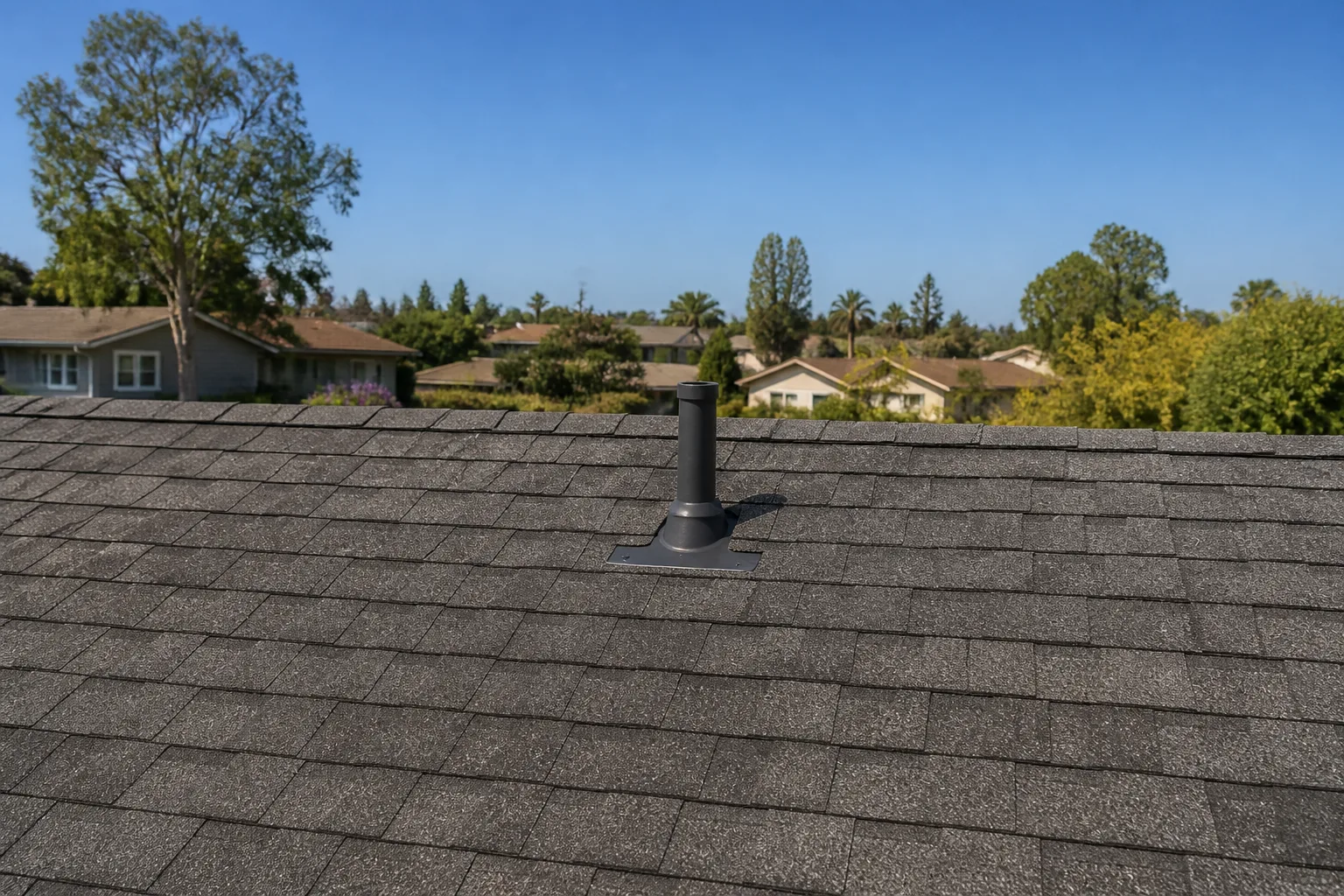
- Asphalt shingle is the most common choice for local re-roofs because it balances cost and performance. Within shingle, brand differences in warranty terms, algae resistance, and heat-handling are real and worth comparing. GAF, CertainTeed, Owens Corning, and the rest of the major lines all compete in this space, and the strongest fit depends on your specs.
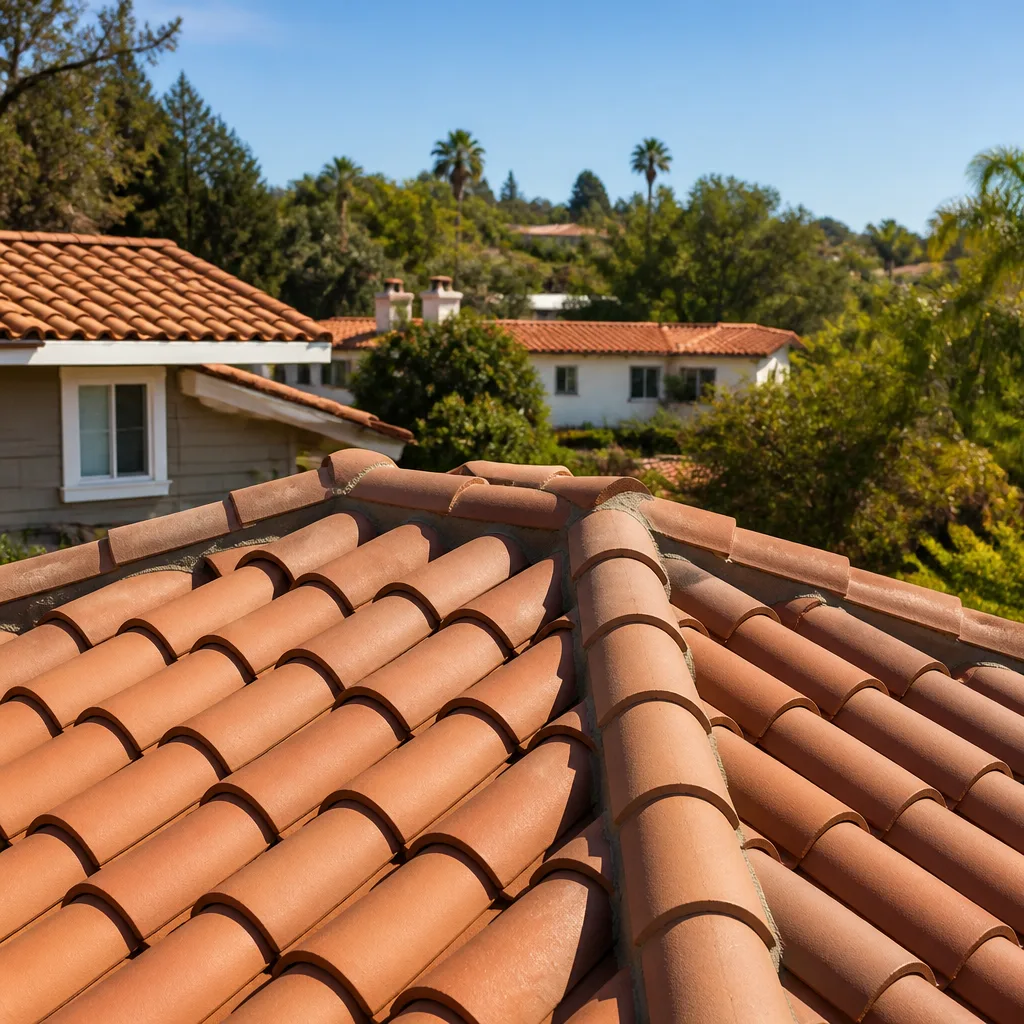
- Tile costs more upfront and lasts considerably longer, and it handles intense sun well because tile doesn’t degrade from UV exposure the way asphalt does. Tile is heavier, though, and the structure has to support it. Boral is one of the brands worth looking at for tile systems, along with others in the tile market.
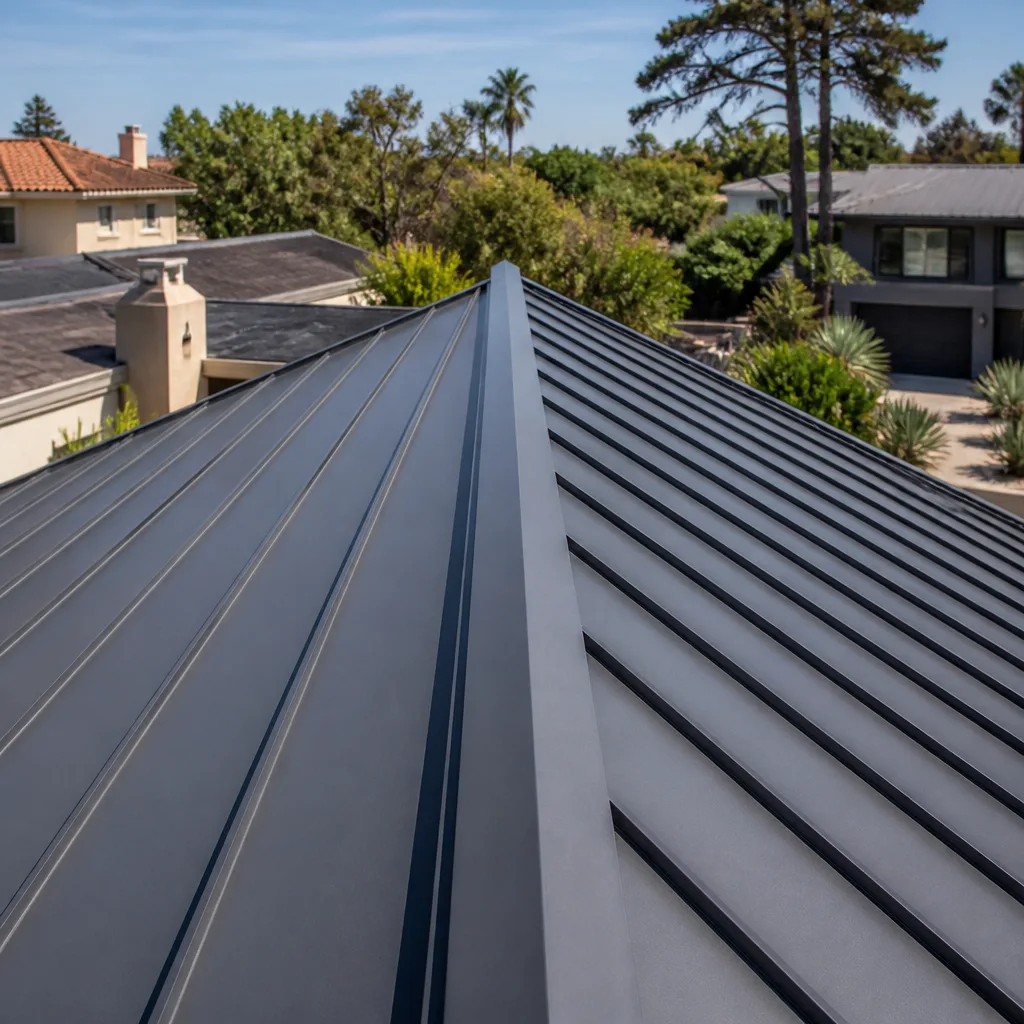
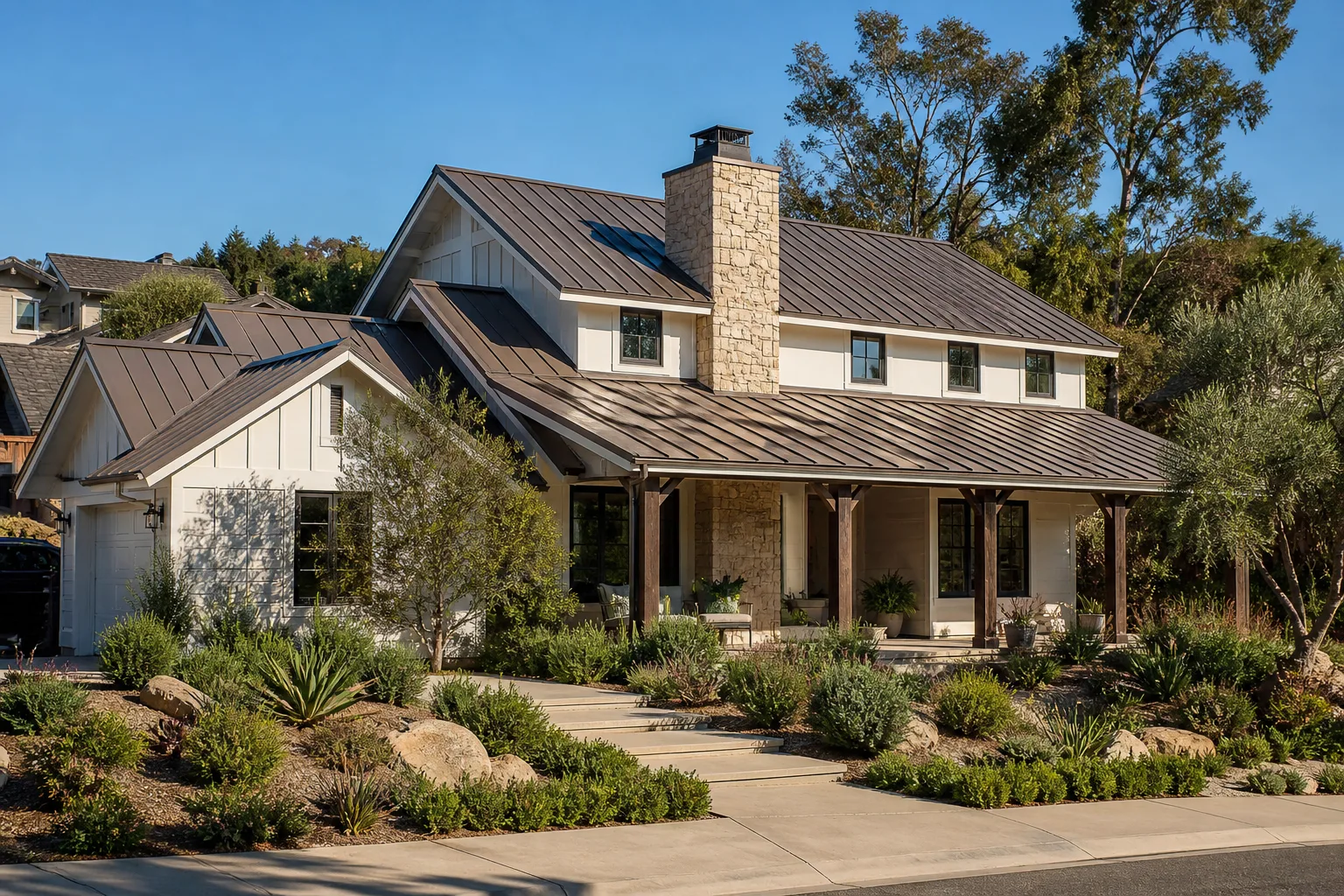
- Metal offers a long service life and performs well in heat, with reflective options that help in the valley. Metal has its own installation details and warranty structure, and the brand selection can matter as much as it does for shingle. It’s a genuine alternative for the right structure and budget, not just a premium upsell.
Your best move is to shingle roofing only if you’ve already compared it against tile and metal for your home. Each material has a place. A roofer who handles all three can tell you which one fits your structure, your sun exposure, and your budget without steering you toward the category that happens to be easiest to install that week.
The material choice also shapes the warranty conversation. Tile and metal warranties have their own terms, often longer than shingle, but with their own conditions on installation and maintenance. Ask for the specific warranty documents for whichever material you’re considering, not just a summary.
A Step-by-Step Way to Choose
Here’s the process we walk Citrus Heights homeowners through. You can do it yourself with a few phone calls and a notebook.
- Set your horizon. Decide how long you plan to own the home. Ten years and a forever home point to different tiers, budgets, and warranty priorities.
- Choose the material first. Compare shingle, tile, and metal for your structure, exposure, and budget. Only then start comparing brands within the material you’ve chosen.
- Collect the four specs. For each candidate product, get the SRI, wind rating, impact class, and algae resistance from the manufacturer’s published data. Compare like-for-like within your material category.
- Read the actual warranty documents. Not the marketing page. Check transferability, labor coverage, exclusions, and proration. Ask which warranty tier applies to a certified versus non-certified installation.
- Check local support. Ask whether the brand has a strong certified contractor network in the Sacramento region, since that’s what determines how smoothly a future claim goes.
- Get an itemized written estimate. A trustworthy quote names the brand, the product line, the material, and the scope of work in writing, with no vague “allowances” that grow later.
This process flips the usual script. You’re not asking “which brand is best,” you’re asking “which product fits my project.” That’s the question the brands themselves never answer for you. A well-structured estimate from an installer who carries multiple lines gives you the comparison the brochures won’t.
Our technicians have up to 8 years of experience, and that experience is built around comparing these lines honestly. Seven brands and three materials under one contractor means the recommendation follows the home, not a warehouse.
Common Mistakes to Avoid
- Choosing by brand loyalty instead of spec. Picking the most advertised name without comparing the published numbers can cost you performance on the spec that matters most in this heat. The famous brand isn’t always the best fit on your particular roof.
- Reading the warranty summary instead of the warranty. Marketing sheets summarize. The actual document tells you what’s covered, for how long, and whether the coverage transfers. Read the terms before you commit.
- Ignoring local contractor support. A warranty with a thin local network behind it can be slow and frustrating to enforce. Ask how strong the brand’s certified installer base is in the Sacramento region before you pick it.
- Picking a material before comparing brands within it. Material choice comes first, then the brand. Skipping the brand comparison within your chosen material leaves money and performance on the table.
- Assuming tile or metal is only for luxury homes. Both are real alternatives with different cost and lifespan tradeoffs, and the right fit depends on your structure and budget. Get a genuine comparison rather than dismissing them or being upsold into them.
- Accepting a verbal warranty promise. If the coverage isn’t written and registered, it doesn’t exist. Ask for the manufacturer’s documents and confirmation that the install meets their terms.
- Trusting a quote with no brand or product line named. A bid that says “architectural shingle” without naming the brand and line isn’t a real estimate. You can’t compare what you can’t identify.
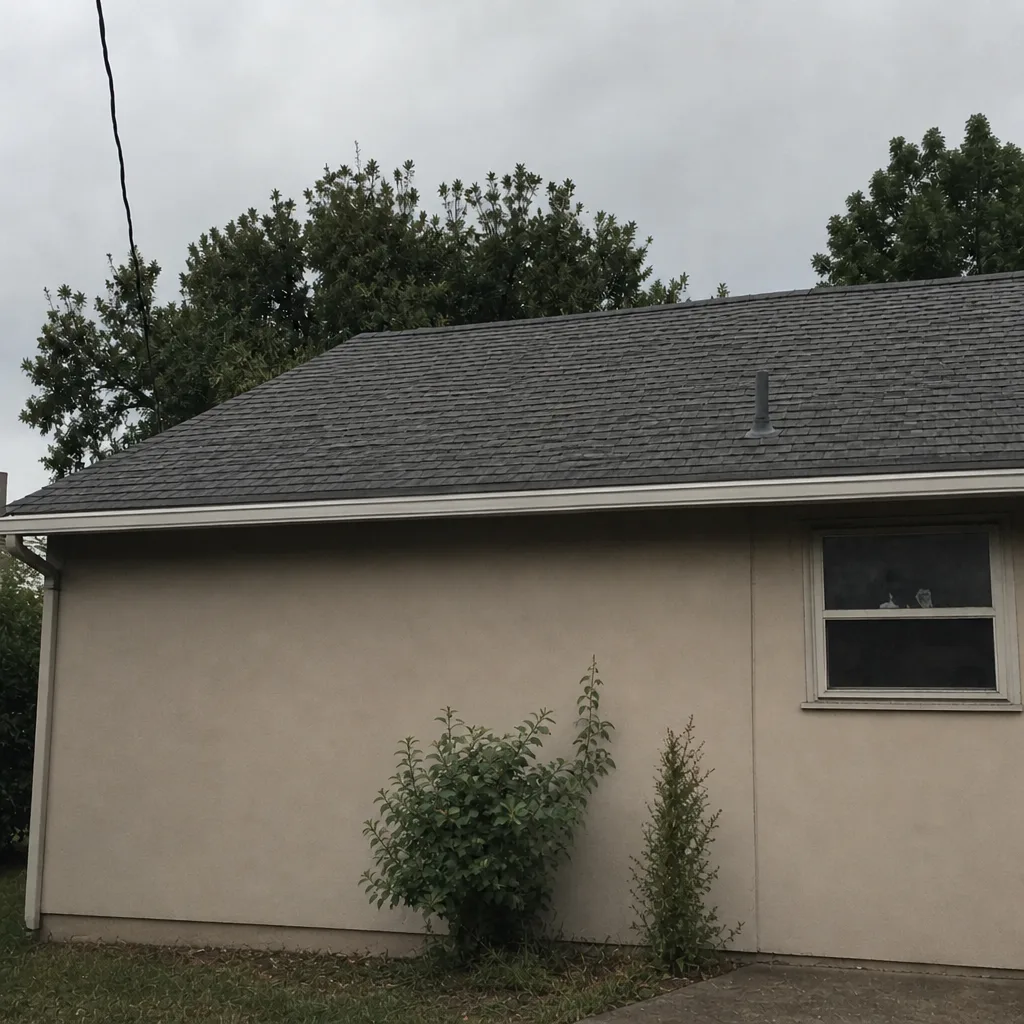
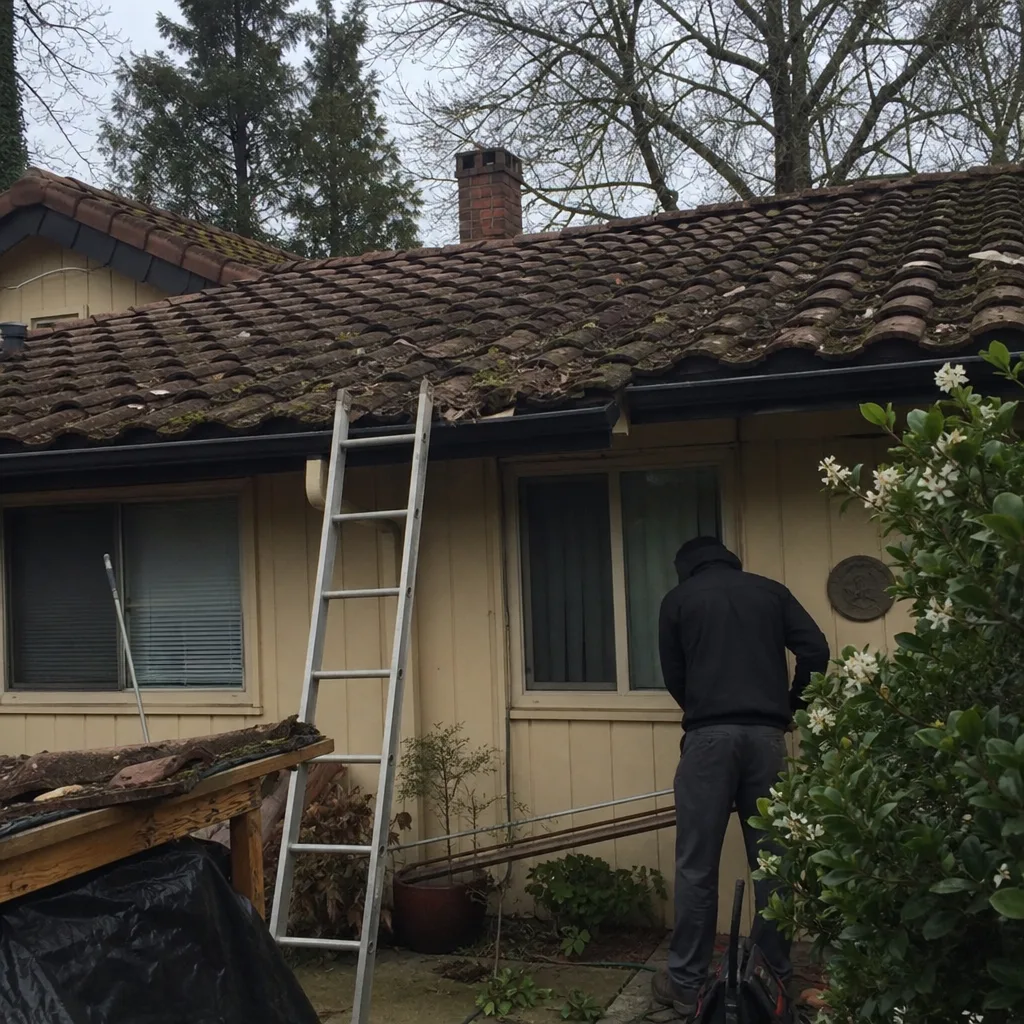
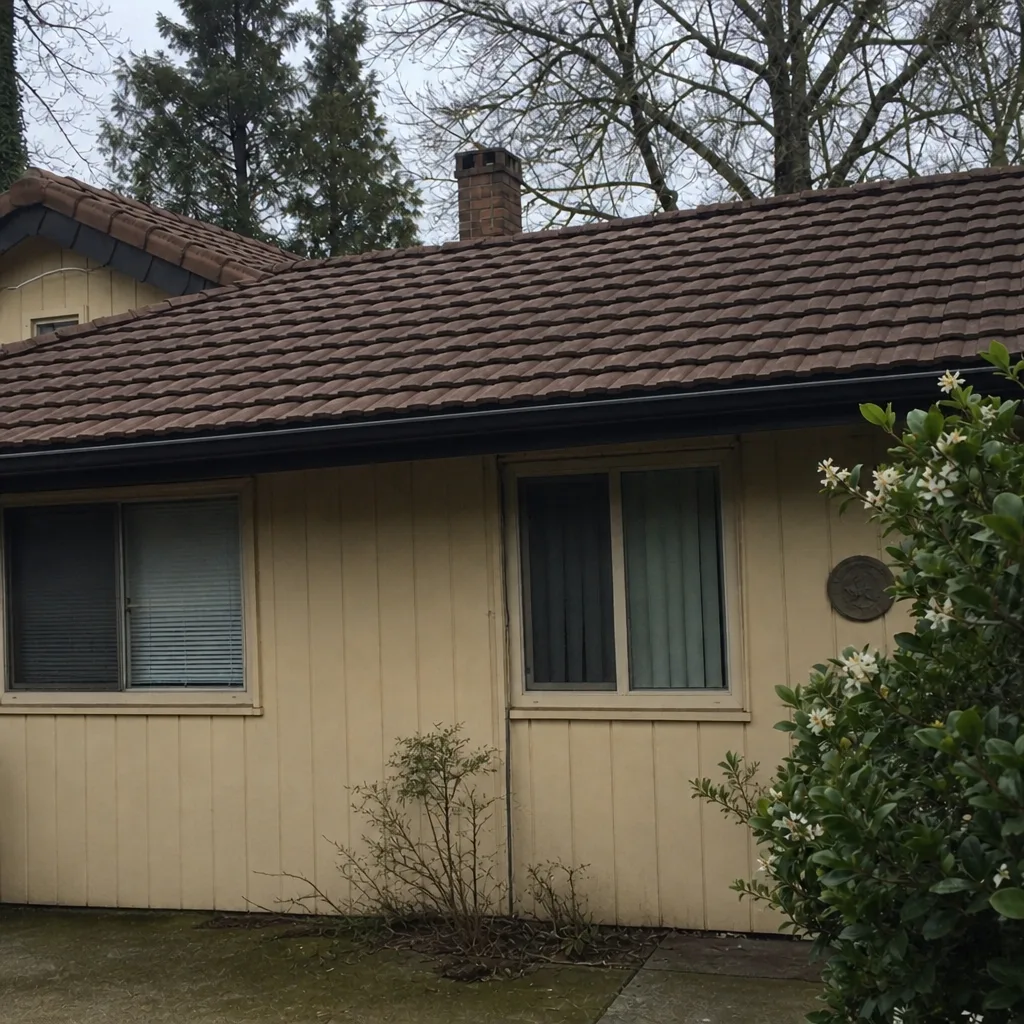
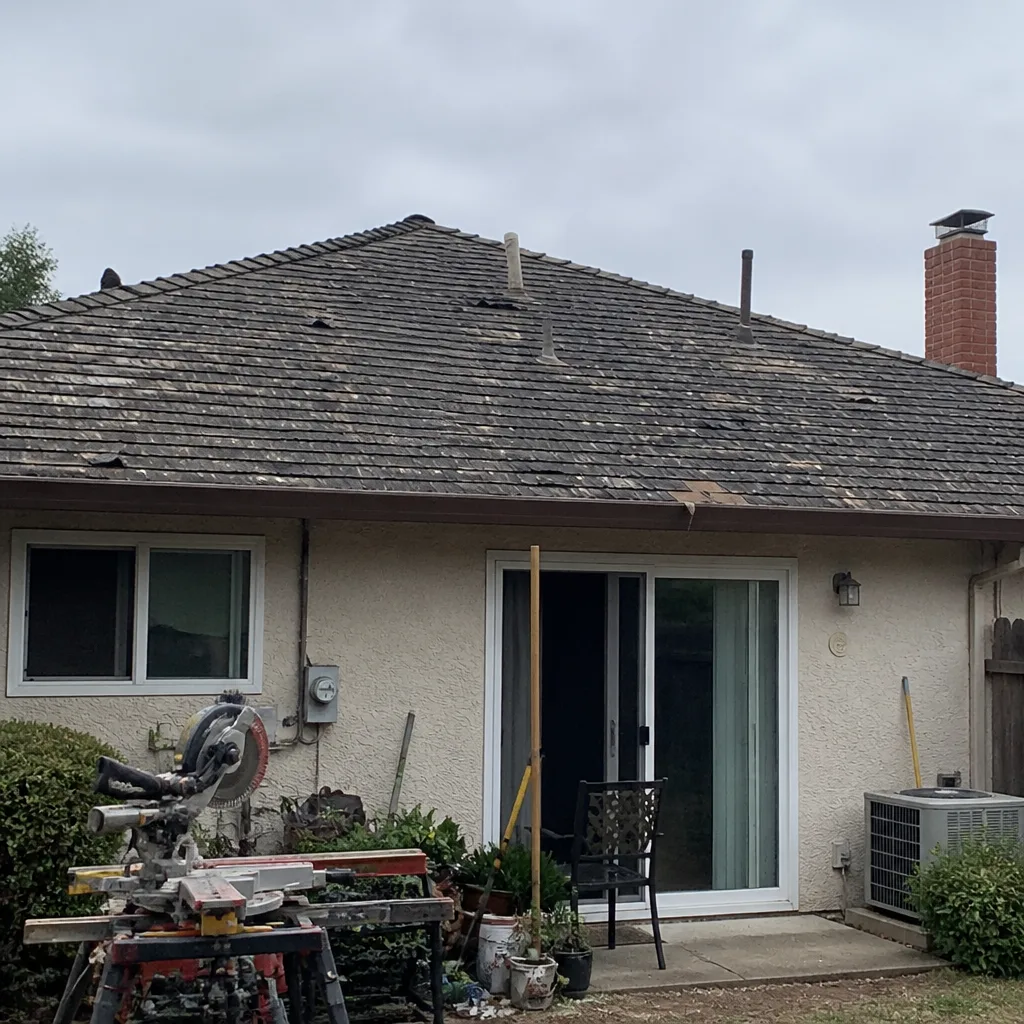
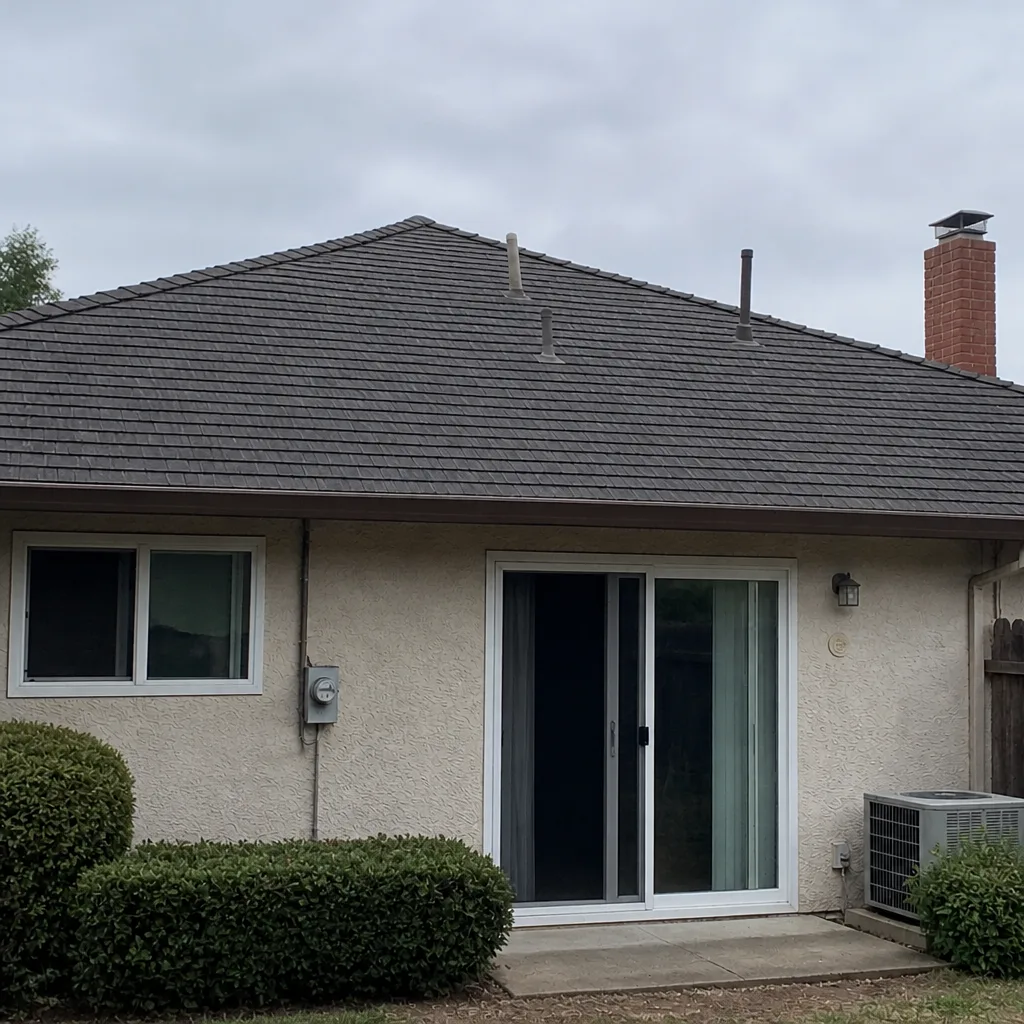
See the difference
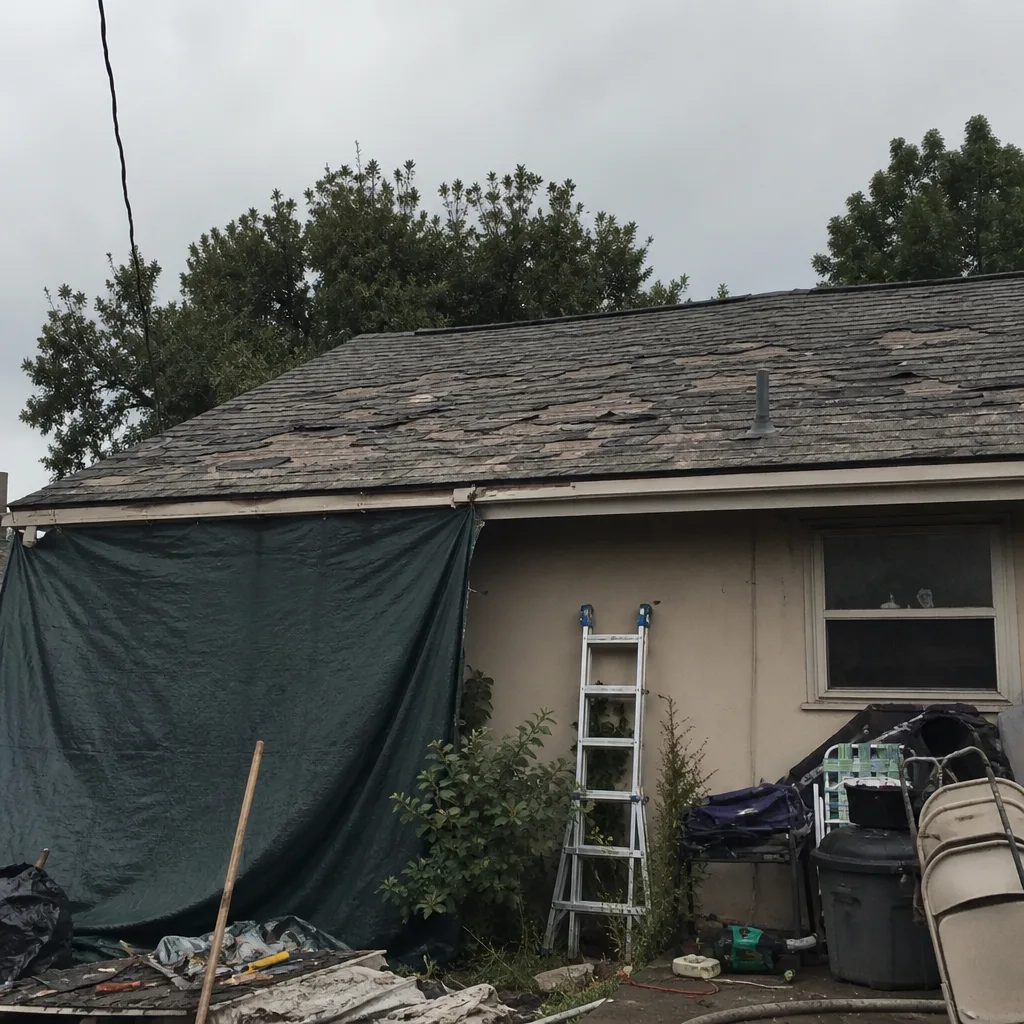 Before
 After
 Before
 After
 Before
 After
When to Call a Professional
You should call a professional roofer when you’re facing a full replacement or a new installation and need a real comparison, not a brochure. That’s especially true in Citrus Heights, where the right answer depends on your structure, your sun exposure, and how long you plan to stay. It’s also the time to call if a warranty claim needs documenting, if storm damage needs an inspection, or if you’re unsure whether your current roof is a repair or a replacement.
Signs it’s time for a conversation: visible wear or missing shingles, a roof past its expected service life, a planned sale where warranty transferability matters, or a new build where the material and brand decision is still open. Every one of these is easier to navigate with someone who installs across all the major lines rather than a single product.
Citrus Heights Roofing Co offers free estimates in Citrus Heights. Call (279) 321-0356 to talk through your options with a team that installs all three materials from seven manufacturers.
Frequently Asked Questions
There isn’t one best brand for every Citrus Heights home; the right choice depends on your material category, your lifespan goal, and your budget. Compare GAF, CertainTeed, Owens Corning, IKO, and the other major lines on SRI, wind rating, impact class, algae resistance, and warranty terms, then pick the product that fits your specific project. Call (279) 321-0356 for a free estimate and we’ll walk you through the comparison.
“Lifetime” is a marketing term, and actual coverage varies widely by brand, with some terms full for a set period and prorated afterward. Transferability, labor coverage, and exclusions differ dramatically between manufacturers, so two lifetime products can offer very different real protection. Read the actual warranty documents rather than the summary, and call (279) 321-0356 if you want help interpreting them.
Yes, all three work here, and each has tradeoffs in cost, longevity, and structural requirements. Asphalt shingle is the most common local choice for re-roofs, tile lasts longer but is heavier, and metal offers a long service life with good heat performance. The best fit depends on your structure and budget, and a free estimate will help you compare them.
It can. Transferable manufacturer warranties can add value when you sell, and some insurers look favorably on certain rated products. Impact ratings and wind ratings are the specs insurers most often reference. Ask your insurer what documentation they’d want, and call (279) 321-0356 if you need product details for a quote.
Ignore the tier names and pull the published specs: SRI, wind rating, impact class, and algae resistance. Compare those numbers within the same material category, then weigh warranty terms and local contractor support. The product that wins on the specs you care about is the right buy, regardless of the label. We’re glad to lay the numbers out for you at (279) 321-0356.
A company that handles all three materials can compare them honestly for your home and hold single-company accountability across the whole project, which avoids finger-pointing between separate contractors. Citrus Heights Roofing Co installs shingle, tile, and metal from seven major manufacturers. Call (279) 321-0356 to schedule a free estimate.
The Bottom Line
Brand choice in roofing is really a set of tradeoffs, not a loyalty test. The right Citrus Heights roof comes from comparing materials first, then brands within the material you choose, on the specs that actually matter here: heat handling and solar reflectance, wind and impact ratings, algae resistance, and warranty terms you’ve read in the original. The manufacturer with the deepest local contractor network makes a future claim easier to resolve. Personality isn’t part of the equation. Pick the horizon, then the material, then the product that fits. Seven brands. Three materials. One contractor that can lay out the comparison for you.
Get a Free Estimate in Citrus Heights
Call (279) 321-0356 for a free estimate. We answer 24/7. Fast dispatch from 7am to 7pm, Sunday through Friday. We’ll walk you through shingle versus tile versus metal, compare the brands on the specs that matter, and put the whole thing in a written estimate so the choice is yours to make with real numbers in front of you.
Written by the team at Citrus Heights Roofing Co.